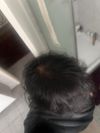
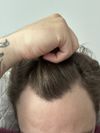
A user claims to have reversed baldness, possibly due to telogen effluvium recovery after weight loss. Others discuss the potential success of using GHK-Cu for hair regrowth.
The user is experiencing hair thinning at the crown and midscalp and is seeking advice. They are considering treatments like Minoxidil, finasteride, and RU58841.
Finasteride is effective for hair loss but can cause sexual dysfunction and mental health issues in some users, leading to a polarized debate on its risks. Some switch to alternatives like Dutasteride or topical treatments to avoid side effects.
The conversation is about using RU58841 for hair loss after finasteride didn't work, with the user considering trying RU before minoxidil. Another user suggests trying oral dutasteride and oral minoxidil first.
A user experienced significant hair loss despite using Dutasteride and RU58841 for three years, questioning the effectiveness of these treatments. They are considering a scalp biopsy to explore other potential causes of hair loss.
A 20-year-old is dealing with hair loss, using finasteride and oral minoxidil, and considering dutasteride. Others suggest treatments like dutasteride, hair transplants, therapy, and lifestyle changes to boost confidence and mental health.
A 25-year-old with AGA experienced hair thinning and dandruff, stabilized with topical finasteride and minoxidil but saw minimal regrowth. They seek advice on styling and consider oral minoxidil and microneedling for denser hair.
AltruisticBro's experience with Fluridil (Eucapil) as a hair loss treatment, and the current blood work results associated with it. They are not willing to take finasteride due to potential permanent side effects.
The user shared progress pictures and discussed using minoxidil, finasteride, and a dermaroller for hair loss. They experienced side effects from finasteride and considered adding it to minoxidil to reduce these effects.
Hair loss theories discussed include poor blood flow, scalp tension, inflammation, and DHT. Treatments mentioned are massaging scalp, minoxidil, finasteride, and RU58841.
A 43-year-old male with advanced hair loss is experimenting with alternative treatments, including red light therapy, microneedling, scalp massages, an oil mix, and ketoconazole shampoo, after previously experiencing side effects from finasteride and minoxidil. He noticed some minor changes with red light therapy but remains skeptical about significant improvement.
The conversation is about dealing with hair loss during university, with the original poster using dutasteride and minoxidil as treatments. Participants share their experiences and coping strategies, such as wearing hats, considering going completely bald, or getting a hair transplant after graduation.
Dutasteride and oral minoxidil are not yielding noticeable results for some users, with some considering alternatives like microneedling or hair transplants. Others report slowed hair loss but no regrowth, and some experience side effects or minimal improvement, leading to frustration and consideration of different treatments.
The user is experiencing hair thinning after increasing finasteride to 0.5 mg daily and oral minoxidil to 3 mg. They are concerned about whether this is normal and if the recent dose increase is affecting their hair, as they plan a hair transplant in 5 weeks.
Finasteride can maintain hair for many years, but its effectiveness may decrease over time. Some switch to dutasteride or add minoxidil for better results, with side effects like libido changes and ED discussed.
A person is experimenting with microneedling on one temple while using Minoxidil to address hair loss. They plan to needle weekly and apply Minoxidil twice daily, avoiding application around needling sessions.
A 43-year-old man regrets not starting finasteride earlier for his receding hairline, which has now progressed to NW3 with diffuse thinning. Other users share their experiences, highlighting the effectiveness of finasteride and hair transplants in managing hair loss, even in their 30s and 40s.
Finasteride significantly improved hair density and reduced hair loss for the user over two years, with plans to switch to dutasteride for long-term benefits. The user experienced no shedding or side effects and obtained finasteride through a private prescription in the UK.
The conversation is about organizing hair regrowth results using a standard format in a single post for easier access. Treatments mentioned include oral minoxidil, oral finasteride, and dermarolling.
The conversation discusses the use of topical minoxidil and finasteride for hair loss, with some users combining them with oral treatments. Users share their experiences and opinions on effectiveness, cost, and convenience, with mixed views on whether topical or oral applications are superior.
The conversation discusses the emotional impact of early hair loss in men, with many feeling isolated and self-conscious. Some users also mention the lack of awareness about potential treatments like Minoxidil and Finasteride.
The user has been using Minoxidil and finasteride for two years, which stopped their hair loss but did not regrow hair. They are inquiring if adding microneedling or tretinoin has provided benefits to others in similar situations.
A user's 20 year journey with hair loss and the treatments they have used to manage it, including finasteride, minoxidil, a custom Strut Blend of Dutasteride, Minoxidil, Tretinoin, and Biotin, Nizoral shampoo, multivitamins, Vitamin D, B Complex, Dim, Clomid, exercise, diet, laser helmet, Toppik dark brown, and topical Finasteride. The user also talks about their successful life, lack of desire for children and high sperm count due to Clomid.
Young men are advised to delay hair transplants until after age 25, using finasteride, minoxidil, and dermarolling to manage hair loss. Concerns about unethical doctors highlight the need for careful planning.
The user has been using Dutasteride, Oral Minoxidil, and Nizoral shampoo for hair loss but still experiences shedding and a thinning hairline. Suggestions include stopping Nizoral, considering finasteride, and addressing scalp health issues like dandruff.
A 24-year-old with hair thinning is using a regimen including dutasteride, RU58841, HGH, GHK-cu, and other compounds to protect and regrow hair. They are also incorporating a mild cutting cycle with testosterone propionate, anavar, and tirzepatide.
User shared 5-month progress using oral finasteride and topical minoxidil for hair loss, improving from Norwood 3 to Norwood 1. User also mentioned weight loss after a breakup and starting gym alongside hair loss treatment.
Using topical finasteride 0.1%, minoxidil 5%, and melatonin for 7 months reduced hair loss significantly, with increased libido and decreased stress tolerance. The user applies the solution once daily, uses nizoral twice weekly, and takes vitamin D and ZMA supplements.
The user experienced severe hair loss despite using Minoxidil and Finasteride and is considering switching to Dutasteride. Others recommend consulting a dermatologist, checking for health issues, and trying Dutasteride and oral Minoxidil.
A 28-year-old is assessing their hair loss on the Norwood scale, considering adding topical minoxidil and dermastamping to their current regimen of oral finasteride and minoxidil. They feel their hair loss is worsening and seek opinions on their condition.