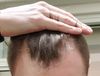
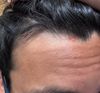
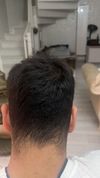
A user recently started using nanoxidil 5% for hair loss, particularly on the hairline, and is seeking feedback or experiences from others. The conversation focuses on the effectiveness of nanoxidil.
This post by "vicky8201" documents their progress in treating hair loss with Minoxidil and Finasteride, which resulted in a transition from NW4 to NW2.5 over the course of two months. Master_Blaster999 and lovindicks both commented on the results, noting that it is nearly impossible to grow that much hair in such a short time frame.
PP405 and hair cloning are discussed as potential treatments for reversing hair loss from Norwood 7 to Norwood 1. Hair cloning is seen as a more permanent solution, while PP405's effectiveness and long-term effects remain uncertain.
A user improved their hair loss from NW3+ to NW1.5 over three years using a regimen of dutasteride, finasteride, Nizoral, biotin, and collagen. They experienced some side effects and adjusted dosages over time, and noted additional benefits like better skin and muscle gain.
A user is developing a tool to track hair density, aiming to help those using treatments like minoxidil. They seek feedback on the tool's usefulness and are considering a low-cost model to cover expenses.
A user is seeking recommendations for purchasing 1mm to 1.5mm derma rollers in the U.S. for better hair growth results, as they are currently using a 0.25mm roller.
User shared 12-month hair loss progress using oral minoxidil, oral dutasteride, and 2% ketoconazole shampoo. They detailed their medication regimen and dosages.
Users discuss hair loss and styling techniques to conceal thinning hair, mentioning treatments like finasteride and oral minoxidil. Some stop hair loss but not regrow hair, considering options like scalp micropigmentation or hair transplants.
Minoxidil, PRP, low-level light therapy, stem cell therapy, mesotherapy, Acell, and microneedling are discussed as treatments for thickening fine hairs in NW5 hair loss sufferers. A hair transplant may be necessary for significant improvement.
The user is likely at Norwood 4 and is advised to use oral finasteride and topical minoxidil, with the option of a hair transplant after two years for a better hairline. Finasteride and minoxidil are considered sufficient to maintain and slightly improve current hair.
Minoxidil was applied to a single miniaturized hair follicle over four months, resulting in less miniaturization but not yet terminal growth. The user used a 5% minoxidil solution, specifically the Regaine brand, and observed changes using a handheld WiFi microscope.
Norwood 7 hair loss is often excluded from trials to ensure treatments appear more effective and to reduce costs. Some believe treatments effective for Norwood 5 could work on Norwood 7, but companies prioritize market readiness.
The user has been using finasteride for 16 months, minoxidil for 11 months, and started microneedling 2 months ago, experiencing shedding phases. They are questioning whether they are experiencing miniaturization or regrowth.
A user shared their 20-week progress using topical minoxidil (5%) and finasteride (0.1%) with a 1mm dermastamp, showing significant hair regrowth from NW5 to between NW3V and NW4. They experienced no side effects and plan to update at 12 months.
The user is experiencing a minoxidil shed after six months of use, noting a significant number of miniaturized hairs compared to mature ones, and has been on finasteride 0.5mg daily for two years with positive results. The user meticulously counts and categorizes shed hairs, sparking reactions ranging from amusement to concern over the level of obsession.
The user is using oral Minoxidil, oral Dutasteride, microneedling, and RU58841 for hair loss, noticing slow progress with small hairs appearing. They are inconsistent with microneedling frequency, sometimes doing it weekly or skipping weeks.
A 49-year-old is updating on hair regrowth progress using finasteride, minoxidil foam, tretinoin cream, and ketoconazole shampoo. They report thicker, darker hair and reduced scalp itch after switching to minoxidil foam.
The user experienced significant hair regrowth using oral minoxidil and dutasteride over several months. Many commenters praised the progress and suggested additional treatments like microneedling for further improvement.
A user shared a 14-month hair loss treatment update using dutasteride, minoxidil foam, a 1.5mm derma roller, and Nizoral, with noticeable hair regrowth and no side effects. The discussion highlights the effectiveness of microneedling in combination with topical treatments, with many users agreeing it significantly enhances results.
A 57-year-old man with severe hair loss since age 14 tried various hair loss treatments over two years, including finasteride, dutasteride, minoxidil, and supplements, with some minor regrowth. He also experimented with topical treatments and microneedling, but results were not cosmetically significant.
The user is likely at Norwood level 3 with thinning at the crown and temple recession. Treatments like finasteride or minoxidil are suggested to manage hair loss.
There are no updates on GT20029, and concerns about its safety and effectiveness remain. The phase III trial has not started, and there are no new studies or data releases.
A user's 18-month hairline progress using minoxidil, finasteride, Nizoral, microneedling, and scalp massage. They share their routine and discuss treatment effectiveness and photo order confusion.
A user who shared progress pictures of their scalp using a microscope camera, demonstrating the difference between healthy and miniaturized hair. Various explanations for the cause of this were discussed, such as DHT build-up in scalp sebum causing an autoimmune response leading to inflammation and eventual hair loss, with some suggesting a do-it-yourself treatment involving adding ascorbic acid powder to shampoo.
A user's personal hair loss progress with treatments, including finasteride (1.25mg), minoxidil, needling, and Nizoral; and advice from other users on how to perform the needling correctly.
GT20029 showed promising results for hair growth in a Phase II trial, with the 1.0% twice-weekly regimen being the most effective. Some users expressed skepticism and humor about the product's effects and market availability.