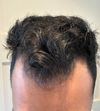
The conversation discusses using USB microscopes for scalp photos and provides a link to an overview of trichoscopy. Treatments mentioned include Minoxidil, finasteride, and RU58841.
The user underwent a second hair transplant for the crown and mid-scalp, achieving good density. They are using minoxidil, finasteride, and biotin, and considering PRP treatments to enhance growth.
Non-steroidal ways to reduce scalp inflammation include using topical melatonin, urea shampoo, Zyrtec, turmeric with black pepper, omega-3 supplements, a self-made topical solution with cetirizine, melatonin, and piroctone olamine, ketoconazole shampoo, witch hazel shampoo, tacrolimus, and lifestyle changes like a healthy diet and regular exercise. Some users also mentioned unconventional methods like infrared light therapy and a carnivore diet.
Scalp massages may help with hair loss, but results require significant time and effort, and benefits stop when massages stop. Some users combine massages with topical minoxidil and finasteride for better results.
A 31-year-old experiencing rapid hair loss is considering whether to shave their head or use treatments. They were prescribed B12, topical finasteride 0.1%, and minoxidil 10% but are unsure about the correct dosage and potential side effects.
A 26-year-old is starting a hair loss treatment using 1mg oral finasteride daily, 5% topical minoxidil foam twice daily, 2% ketoconazole shampoo weekly, and microneedling once a week. They noticed worsening hair loss over the past year and are seeking advice.
User tried topical fin, dut, min, tret, hydrocortisone, microneedling, nizoral, collagen, propidren supplements, and laser helmet for hair loss with slow progress. They ask if topical spironolactone is a safer, effective alternative to RU for suppressing testosterone and treating hair loss in men.
The conversation is about a user's progress in treating diffuse hair thinning using a topical regimen including finasteride, minoxidil, ketoconazole, microneedling, saw palmetto, collagen, and vitamins, along with lifestyle changes. The user plans to switch from topical to oral finasteride for potentially better results.
The user has severe diffuse thinning on the scalp and is using finasteride, topical minoxidil, dermarolling, tretinoin, and Nizoral without satisfactory results. They are considering a hair transplant but are concerned about the cost and the number of grafts needed.
The user started using 0.1% finasteride and 5% minoxidil twice daily and experienced an itchy scalp. Suggestions include checking for allergies, dry scalp, or seborrheic dermatitis.
The user experienced significant hair regrowth after using 1.25mg finasteride for 7 months, with no side effects, and is considering whether to keep or remove a previous SMP (scalp micropigmentation). They avoided minoxidil due to dandruff and sensitive scalp concerns, and they use a specific dandruff shampoo once a week.
The conversation discusses using topical finasteride and minoxidil for hair loss, focusing on the crown and mid-scalp areas. The user is optimistic about seeing results in 3 to 6 months.
A 30-year-old shared their 7-month hair regrowth progress using topical minoxidil twice daily, 1 mg finasteride daily, and weekly microneedling. Users discussed the effectiveness of these treatments and suggested adding retinol for better results.
The user is considering continuing minoxidil and microneedling, possibly adding low-dose topical finasteride, and undergoing a large FUE hair transplant to improve hair appearance. They plan to use hair fibers for added density, aiming for a convincing cosmetic look rather than full density.
Individuals with oily scalps, dandruff, and diffuse thinning hair loss who have managed to either halt the loss or regrow their hair by using topical finasteride and minoxidil as well as microneedling and ketoconazole 2% shampoo.
The user suspects scarring alopecia and is exploring NSAIDs and turmeric/pepper for inflammation-related hair loss, having experienced burning and thinning with finasteride and testosterone reduction. They are seeking feedback while unable to afford a dermatologist.
The conversation is about someone who shaved their head after using Minoxidil and finasteride for a long time and feels confident with the new look. Many users compliment the person's appearance, noting that they have a good head shape for being bald, while others discuss the pros and cons of hair loss treatments and embracing baldness.
A 32-year-old shares their one-year experience using dutasteride 0.5 mg and minoxidil for hair loss, noting some progress but still considering a hair transplant for better density. They mention decreased libido as a side effect and discuss the cost and considerations of a hair transplant.
A 20-year-old is experiencing severe hair loss and is considering using dutasteride and finasteride, worried about potential side effects. They feel depressed and isolated due to hair loss, and are exploring options like hair transplants and hair systems but are hesitant about faking it.
A 28-year-old male shares his 12-step hair regrowth routine, including finasteride, minoxidil, RU58841, LLLT, dermarolling, various shampoos, supplements, and a healthy diet. He seeks advice on microneedling frequency and mentions experiencing lowered libido and occasional scalp inflammation.
The user has been using Finasteride for 7 years, RU58841, Stemoxydine, and 2% Ketoconazole shampoo for hair loss treatment but still experiences an itchy and inflamed scalp. They have not yet tried the prescribed oral Minoxidil and are considering lifestyle factors like diet and sleep as potential contributors to the issue.
A 27-year-old woman experiencing significant hair loss is using spironolactone, Nizoral shampoo, and betamethasone valerate. She questions the effectiveness of these treatments and whether she should seek another dermatologist.
The user shared their 8-week hair regrowth progress using 0.5mg dutasteride, twice-daily topical minoxidil, and weekly 1.5mm microneedling. They noted visible improvement, though some users suggested reducing microneedling depth to avoid potential scalp damage.
Scalp biopsies are crucial for diagnosing hair loss conditions like Diffuse Unpatterned Alopecia (DUPA) and retrograde hair loss, as treatments like finasteride and dutasteride may not be effective if other conditions are present. Combining PPAR-GAMMA agonists with retinoids could improve treatments for conditions like Lichen Planopilaris.
OP struggles with scalp flakes causing hair loss and has tried Selsun Blue, Ketoconazole, and ZPT Shampoo without success. Suggestions include using salicylic acid shampoo, shaving the head, using Nizoral, and combining treatments like Minoxidil and finasteride.
The post discusses a hair loss treatment regimen including oral finasteride, topical minoxidil, a rejuvenating scalp serum with caffeine, rosemary, and ginger, topical ketoconazole, saw palmetto, and derma rolling. The user seeks advice for scalp pimples and irritation.
An 18-year-old male switched from topical finasteride and minoxidil to oral dutasteride for diffuse hair loss and saw improvement without side effects, despite experiencing scalp itch and shedding. Commenters noted significant hair regrowth and were surprised by his young age and appearance.
A user's decision to shave their head after struggling with hair loss for seven years, and the medications and treatments they are using to attempt regrowth. They also discuss potential future treatments that may come out in the near future.
A 21-year-old is experiencing hairline recession and is using finasteride, saw palmetto, gelatin, topical minoxidil with retinoic acid, derma stamping, and scalp massage to address it. Suggestions include adding oral minoxidil, vitamin D3 with K2, and maintaining the current regimen for a year.
The user has been treating their hair loss with oral Minoxidil, Dutasteride twice a week, daily head massages, a mix of essential oils, and one round of Scalp Micropigmentation (SMP). They stopped micro-needling due to hair loss, and are seeking advice on their progress, with responses suggesting continued treatment, potential hair transplant, and resuming micro-needling.