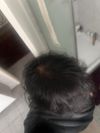
The user is experiencing hair thinning at the crown and midscalp and is seeking advice. They are considering treatments like Minoxidil, finasteride, and RU58841.
A 25-year-old experienced worsening hair loss and side effects like low libido and watery semen after using minoxidil, finasteride, and later switching to dutasteride. Despite trying various treatments, including topical solutions and micro-needling, they saw no improvement and are now seeking advice.
The conversation is about using RU58841 for hair loss after finasteride didn't work, with the user considering trying RU before minoxidil. Another user suggests trying oral dutasteride and oral minoxidil first.
The user is considering whether to delay meeting their long-distance girlfriend to undergo a hair transplant or meet her with their current hair loss, having used Dutasteride, Pyrilutamide, and Minoxidil. Most responses advise being honest about the hair loss, suggesting confidence and authenticity are more important than appearance.
The user shared their 8-month progress using Minoxidil and Finasteride, noting improved hair density, especially at the back, and observing new hair growth. They plan to continue treatment and consider a hair transplant in the future.
A user experienced significant hair loss despite using Dutasteride and RU58841 for three years, questioning the effectiveness of these treatments. They are considering a scalp biopsy to explore other potential causes of hair loss.
A user shared their 8-month progress using dutasteride 0.5 mg and oral minoxidil 2.5 mg for hair loss, expressing disappointment with the results and considering increasing the dosage. Other users advised patience, suggesting that improvements can continue over time, and recommended consulting a dermatologist before making changes.
A person is experimenting with microneedling on one temple while using Minoxidil to address hair loss. They plan to needle weekly and apply Minoxidil twice daily, avoiding application around needling sessions.
The conversation is about organizing hair regrowth results using a standard format in a single post for easier access. Treatments mentioned include oral minoxidil, oral finasteride, and dermarolling.
After adding tretinoin to minoxidil for hair loss treatment, the user experienced increased shedding and no visible regrowth, despite also using microneedling and ketoconazole shampoo. The user cannot take finasteride due to side effects and is seeking advice on whether to continue with the current routine or modify the use of tretinoin.
The user treated their hair loss with microneedling, nanoxidil, rosemary oil, jojoba oil, scalp massages, keto shampoo, and supplements. They experienced significant hair regrowth and a reduction in hair shedding within 8 weeks.
A 17-year-old is looking for alternatives to finasteride for DHT control to preserve hair, considering ketoconazole shampoo for its potential to inhibit 5AR and also thinking about using caffeine-containing shampoos like alpecin or watermans.
Hair loss theories discussed include poor blood flow, scalp tension, inflammation, and DHT. Treatments mentioned are massaging scalp, minoxidil, finasteride, and RU58841.
User shares 10-year experience using Finasteride and Minoxidil for hair loss with positive results and no significant side effects. Others suggest consistency, microneedling, and considering hair transplants.
The user experienced a sudden and severe hair loss after 1.5 years of successful treatment with finasteride and minoxidil. They plan to check their thyroid and vitamin D levels as potential causes.
A 20-year-old is experiencing hair thinning and is considering Clascoterone and Minoxidil as treatments, avoiding finasteride due to concerns about fertility and hormones. A suggestion was made to use Clascoterone for local DHT targeting and combine it with Minoxidil for maintenance and regrowth while avoiding systemic side effects.
The conversation discusses hair loss treatments, mentioning minoxidil, finasteride, RU58841, VDPHL, GT20029, and follicle cloning as potential solutions. It also reveals that the discussion about PP405 was an April Fool's joke.
A user increased their dutasteride dose to 2.5 mg and oral minoxidil to 5 mg after losing hair regrowth, and also started using 2% ketoconazole and microneedling. Another user suggested these changes are meaningful and recommended splitting doses throughout the day for better absorption.
A 32-year-old man with advanced hair loss is using topical finasteride, minoxidil, and dutasteride but sees no results after three months. Suggestions include adding a dermastamp and waiting 12 months, with the possibility of considering a hair transplant.
A 52-year-old is switching from finasteride to dutasteride to address crown balding, despite concerns about potential side effects. They have used finasteride for nearly 30 years, had a minor hair transplant, and are considering further treatments if dutasteride doesn't improve their condition.
A person was concerned about applying minoxidil and tretinoin in a public airport bathroom, fearing judgment from others. Most responses reassured them that no one cares, suggesting they apply it in a stall or skip a dose without worry.
The conversation discusses hair loss treatments, specifically using Dutasteride 0.5 mg and topical Minoxidil 5% twice daily, with users sharing experiences and advice on using Finasteride and Minoxidil. Some users consider hair transplants, while others suggest giving medications more time to work.
The user experienced significant hair regrowth after 10 months of using Minoxidil and 8 months of Finasteride, despite an initial shedding phase. They reported minor initial side effects but overall positive results, with the crown area completely filled in.
The user experienced significant hair improvement using daily dutasteride (0.5mg) and oral minoxidil (5mg), along with ketoconazole shampoo twice a week. They reported no significant side effects, except for mild hypertrichosis, and plan to continue the regimen for a few years before reducing the dosage.
Saw palmetto, derma pen, rosemary oil, scalp massages, pumpkin seed oil, green tea extract, and B complex are discussed as natural treatments for hair loss, with mixed results reported. Some users consider adding finasteride for more effective results.
The user has experienced significant hair regrowth using finasteride, oral minoxidil, microneedling, keto shampoo, an LLLT helmet, vitamins, and supplements. They note progress but hope for further improvement in a specific area.
A 23-year-old male has been using Dutasteride for 10 months, alongside topical Minoxidil and Ketoconazole, but is experiencing increased hair thinning, particularly at the crown. Despite trying different dosages and treatments, including a brief attempt with oral Minoxidil, the user is frustrated with the lack of improvement and is seeking advice from others with similar experiences.
RU58841 worsened hair condition, causing thinning and unusual patterns. The user stopped using it two months ago but hasn't seen recovery, and there's speculation about androgen receptor upregulation.
The user switched from finasteride to dutasteride and experienced noticeable hair regrowth without side effects, though some users questioned the necessity of such a potent treatment given the minimal hair loss. The conversation also touched on potential side effects of dutasteride, such as reduced sperm quality, but the user reported no issues.
A 35-year-old male shared his hair restoration journey, starting with minoxidil and finasteride, which improved his hairline and crown, followed by a hair transplant in November 2024. He stopped finasteride to conceive, experienced some shedding, and is now considering switching to dutasteride while continuing minoxidil.