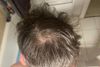
The user is addressing hair loss with finasteride, dutasteride, oral and topical minoxidil, dermarolling, and shampoos. They are considering adding essential oils to improve circulation.
A user has been losing hair for two and a half years after a tropical trip and illness. A dermatologist prescribed betamethasone valerate 0.1% lotion, but the user is unsure if it's safe or effective for general hair loss.
Pyrilutamide/KX-826 is being discussed for its effectiveness in hair regrowth, with some users reporting positive results, especially in early hair loss cases. Users have combined it with treatments like Minoxidil, and some experienced initial shedding before seeing regrowth.
A user is excited to start using Pyriltamide for hair loss after experiencing side effects from topical finasteride. Other users discuss the potential and skepticism of Pyriltamide compared to older treatments like finasteride and RU58841.
User seeks natural hair products for hold/texture without harmful chemicals due to thinning hair. They consider Hades Matte Paste and Matte Lava Clay, asking if any ingredients could cause hair loss.
The conversation discusses disappointment with the hair loss treatment KX-826 but notes that the company Kintor is still focused on developing and commercializing it, as stated in their 2023 annual report. The user questions the effectiveness of KX-826 in comparison to minoxidil's role in improving hair thickness and appearance.
Microneedling for hair regrowth, using a 1.0 dermastamp, is discussed with a focus on achieving slight redness without bleeding. Minoxidil is mentioned as an effective treatment when used after dermastamping.
User shared progress pictures after 2 months of using 5% topical minoxidil, microneedling, and recently adding 0.01% topical finasteride. The minoxidil solution also contains caffeine, azelaic acid, retinol, adenosine, biotin, and niacinamide.
The user reports that using topical Dutasteride has stopped their hair loss, and they are curious about potential side effects and regrowth. They also mention having scalp psoriasis and past SSRI use affecting libido.
Clascoterone (CB) shows an excellent safety profile with no serious side effects, but its effectiveness may decline after six months, making it more suitable as an adjunct treatment with finasteride and minoxidil rather than a standalone solution. Some argue it could be better than finasteride due to its protection against testosterone, but its long-term efficacy remains debated.
The user is considering adding a topical treatment to their current regimen of finasteride and oral minoxidil to protect their temple area, with options like piro, RU58841, or topical finasteride or dutasteride. They are advised against overcomplicating their treatment, but another user suggests a topical with 8% minoxidil/dutasteride for better results.
Batana oil is gaining attention for hair growth, but users suggest Minoxidil as more effective. Some recommend using both Batana and Rosemary oil for better results, though skepticism about viral claims exists.
A young man with hypertrichosis has over 95% of his face covered in hair, sparking humorous comments about hair loss treatments like minoxidil and dutasteride. Users joke about transplanting his facial hair and discuss the challenges of his condition compared to typical balding.
Microneedling on the vertex may require trimming hair to ensure needles reach the scalp effectively. Using a needle length of 1.0–1.5 mm is suggested, and longer hair might get damaged if not cut.
User xEternex tries hair regrowth with daily broccoli sprouts, apple extract containing procyanidin b2, and microneedling. Others discuss potential issues with the experiment and share their experiences with vegetable consumption and hair growth.
Setipiprant trial for hair loss failed, showing no difference between placebo and treatment. Discussion also noted placebo users reporting side effects.
A 34-year-old man is using natural methods like rosemary and peppermint oil, micro-needling, and low-level laser therapy to manage hair thinning, avoiding medications like minoxidil and finasteride. Despite minimal visible progress, he values the non-medicated approach and remains consistent with his routine.
A user experienced significant hair loss after starting microneedling, despite using dutasteride and topical minoxidil. They are advised to consult a doctor as the shedding pattern is unusual and may indicate alopecia areata or other scalp conditions.
The user has been using dutasteride, minoxidil with tretinoin, and ketoconazole shampoo for hair loss but hasn't seen improvement in temple areas. Suggestions include trying microneedling with minoxidil or considering a hair transplant, though temple transplants can be challenging.
Kintor Pharma announced successful Phase II trial results for KX-826 in treating hair loss, showing it's comparable to finasteride and can be used with it. Some participants saw a 10 hair/cm^2 increase, which is considered a good outcome at the low dose used.
The conversation discusses the appearance of new baby hairs with treatments like castor oil, finasteride, minoxidil, and dermarolling. Users note that baby hairs often go unreported after initial excitement, with some seeing growth and others losing interest in updates.
A 22-year-old male is using topical dutasteride, minoxidil, tretinoin, and microneedling for hair loss, experiencing some side effects like mild ball pain and initial shedding but seeing progress in hair thickness. He plans to increase the dutasteride dose and has tried various treatments, including finasteride and RU58841, with differing side effects.