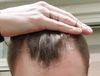
A 39-year-old from Bangalore shared his successful hair transplant journey, which included 3537 scalp and 1521 beard grafts, boosting his confidence. He also started medication alongside the transplant.
The user is experiencing hair loss despite using minoxidil and dutasteride consistently since October, with no significant improvement. Suggestions include trying microneedling, switching dutasteride brands, or adding finasteride.
A user is frustrated with slow hair regrowth despite using minoxidil, finasteride, and microneedling. Others suggest trying dutasteride or oral minoxidil for potentially better results.
The conversation humorously discusses hair loss, focusing on the envy of an older man, Massimo Cacciari, who has a full head of hair. Treatments mentioned include finasteride, minoxidil, RU58841, and hair transplants, with some users expressing dissatisfaction with baldness and considering various solutions.
Users discuss the effectiveness of low-dose topical finasteride (0.005-0.05%) for hair loss, often combined with minoxidil. Some report stable results or new growth, but it's unclear if improvements are due to finasteride or minoxidil.
An 18-year-old male using topical finasteride and minoxidil for hair loss is considering adding oral finasteride. Users advise against combining both forms of finasteride due to increased side effects and suggest switching to oral finasteride or dutasteride for better results, noting that finasteride is less effective on hairlines.
Common misconceptions about hair loss treatments include the belief that lower doses of finasteride are as effective as higher doses, and that ketoconazole is effective for androgenetic alopecia without scalp issues. Additionally, minoxidil's effects can be seen sooner than commonly thought, and topical dutasteride is effective.
There is no permanent cure for hair loss; treatments like finasteride, minoxidil, and hair transplants require ongoing use and are not universally effective. Genetic complexity and financial incentives for ongoing treatments hinder the development of a definitive cure.
The user is experiencing ongoing hair loss despite using treatments like topical and oral finasteride, dutasteride, oral minoxidil, and RU58841. They are advised to consider a scalp biopsy and blood tests to determine the underlying cause, as their hair loss may not be related to DHT.
The user has seen good progress in hair density after almost 10 months using 0.6 mg oral minoxidil, 1.25 mg oral finasteride every other day, and topical minoxidil twice daily, along with weekly derma stamping. They experienced side effects with higher doses of minoxidil and encourage others to try these treatments.
A 20-year-old has been using 1.25mg finasteride daily and 5% minoxidil twice a day for seven months with no side effects, noticing thicker hair but no reversal of hairline recession. Users discuss the effectiveness of finasteride and minoxidil, with some mentioning additional treatments like derma rolling and lifestyle changes.
Microneedling, when combined with finasteride and topical minoxidil, can enhance hair regrowth for male pattern baldness, especially at the temples. Users report varying success with needle depths between 0.5mm and 1.5mm, with stamps preferred over rollers to minimize scalp damage.
The user is struggling to obtain a finasteride prescription in France after moving there, despite previously using it alongside minoxidil, kz shampoo, and biotin supplements. They are advised to seek alternative doctors, consider telemedicine platforms, or explore topical finasteride options.
The conversation discusses hair regrowth using topical RU58841 and Minoxidil. Users suggest adding finasteride or dutasteride for better long-term results.
The user shared progress pictures showing hair regrowth after 6 months on finasteride and 3 months on minoxidil. They reported increased hair thickness and density without side effects from the treatments.
The user shared progress pictures showing significant hair regrowth using Minoxidil and a dermapen, expressing concerns about potential side effects of finasteride due to low testosterone levels. Another user reported increased testosterone and no side effects from finasteride, with improved libido.
A 20-year-old is using a regimen of 5% Minoxidil, 0.1% Finasteride topical solution, derma rolling, and ketoconazole shampoo for hair loss, experiencing some regrowth but also shedding. They are considering increasing derma roller size and possibly adding oral Finasteride or dutasteride for better results.
A healthy scalp barrier is crucial for hair growth, and ceramides may play a key role in maintaining it. The conversation suggests that focusing on scalp health, alongside treatments like Minoxidil, Finasteride, and RU58841, could improve hair follicle health.
People are discussing their experiences with kx-826 (pyrilutamide) for hair loss, using concentrations of 0.5% and 0.9%. They are sharing personal results and progress with this treatment.
The conversation discusses increasing the dose of oral minoxidil from 2.5mg to 5mg for better hair density, with concerns about potential side effects like heart rate changes and fluid retention. Users suggest consulting a doctor, considering individual tolerance, and exploring other treatments like dutasteride.
A 25-year-old male has been using topical finasteride and minoxidil for 2.5 months without noticeable improvement, experiencing some shedding. Users advise patience, noting significant results may take up to a year or more.
A 42-year-old man shares his positive experience with minoxidil and finasteride for maintaining a healthy crown despite some flaking. Users discuss the effectiveness and appearance of his hair, with some suggesting Nizoral for flake management.
The conversation is about a person experiencing treatment-resistant androgenic alopecia despite using high doses of dutasteride and minoxidil, along with other treatments like microneedling and purilutamide. Suggestions include considering a hair transplant, checking medication authenticity, and exploring other treatments like RU58841 or topical estradiol.
Dermatologists have differing opinions on hair loss treatments, with some using topical dutasteride, oral minoxidil, exosome therapy, PRP, and various other therapies. The user plans to use a topical solution of dutasteride, minoxidil, tretinoin, PRP, and LLLT.
Dutasteride is often taken daily despite its long half-life because consistent dosing maintains optimal serum levels for effective DHT suppression. Some users report success with less frequent dosing, such as three times a week, but effectiveness can vary based on individual response and professional advice.
The conversation discusses sourcing Topilutamide (fluridil) as a treatment for hair loss, with users comparing it to RU58841 and finasteride. Users share their experiences with various treatments, including testosterone, DHT gel, and Proviron, while expressing difficulty in finding Topilutamide.
The user is using minoxidil and topical finasteride for hair loss and is seeking advice on whether to use a derma pen or derma stamp for microneedling, including the appropriate length and frequency. They previously stopped oral finasteride due to side effects.
A 30-year-old woman has been using oral minoxidil and spironolactone for hair loss without success for 18 months and is considering switching to topical minoxidil. Users suggest trying topical minoxidil, dermastamping, red-laser therapy, and checking hormone levels, while noting that oral minoxidil is often more effective than topical.