The conversation discusses experiences with Procapil for hair loss treatment. A user inquires about purchasing Procapil and provides a link to a product website.
The conversation discusses the user's observation of their hair appearing less bald after showering compared to when they wake up. They use a biotin and keratin conditioner and ketoconazole twice a week, while others suggest the difference in appearance could be due to oil build-up or the hair's response to water.
A user shared a new hair loss treatment protocol including topical dutasteride, latanoprost, caffeine, minoxidil, tretinoin, and triamcinolone acetonide. Others discussed the effectiveness and availability of these treatments, with some suggesting simpler oral alternatives.
A user humorously shared their appearance three days after a hair transplant, sparking jokes and memes about their head shape. They remained positive, acknowledging the swelling and hoping for improvement.
The user is happy with their hair transplant results after 6 months, using minoxidil and PRP sessions, but is unsure about not addressing the temples. Others reassure them that the hairline looks natural and age-appropriate, though some suggest considering finasteride or dutasteride for maintenance.
OP shared progress pictures after 7 months of using a topical solution with 0.25% finasteride and 5% minoxidil, prescribed by a dermatologist. OP experienced mild shedding initially and noticed significant growth by the third month.
A user shared progress pictures showing significant hair regrowth in the crown area after oiling their hair and scalp twice a week for two months. They used a mix of rosemary, jojoba, coconut, argan, castor, and olive oils.
A user is seeking advice on a new topical hair loss treatment containing Minoxidil 3%, Finasteride 0.3%, Progesterone 1%, Hydrocortisone butyrate 0.1%, and Ketoconazole 0.5%. They are concerned about the systemic absorption of Finasteride and plan to do blood tests and a spermiogram before starting.
A user's journey with hair loss and their use of topical finasteride, minoxidil and pyri/minoxidil ratio treatments to attempt hair regrowth. Replies focused on offering support and advice while sharing personal experiences with different treatments.
The user shared progress after six months using a topical mix of 0.3% finasteride and 6% minoxidil, reporting significant hair regrowth with minimal side effects. The product used is a spray from Hims, applied to the crown before bed.
A user's progress pictures with Finasteride, showing positive results in 7 months; other users suggested additional treatments like biotin and nizoral shampoo, as well as changing to Dutasteride, while another mentioned it could take up to a year for further gains.
The conversation discusses hair loss treatments, specifically topical finasteride and minoxidil, with users debating the effectiveness and honesty of progress pictures. Some users claim significant regrowth, while others argue about the influence of lighting and angles on perceived results.
The user is experiencing hair loss despite using finasteride and Rogaine, with conflicting diagnoses from different hospitals. One suggests no hair loss, while another recommends continuing medication; a suggestion to see a dermatologist for proper assessment is given.
Apply minoxidil at least 1-2 hours before bed to ensure it dries and doesn't transfer to the pillow. Foam dries faster than liquid, and using a satin beanie after drying can help prevent transfer.
The user is addressing hair loss with scalp botox, scalp massage, nizoral shampoo, various vitamins and supplements, and natural nitric oxide boosters like citrulline malate and beetroot powder. They are also considering a mouthpiece to reduce snoring and improve sleep.
A user asked if applying oil (olive, coconut, etc.) to the scalp for dryness and hair loss is effective, as recommended by a dermatologist. They expressed doubt about the advice and sought opinions on its usefulness.
The user decided to shave their head instead of pursuing a hair transplant or using drugs like minoxidil and finasteride. They are motivated to accept themselves as they are and feel more confident after taking this action.
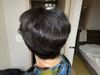
The user is questioning if they are experiencing hair regrowth after using topical Minoxidil for 4-5 months, noting increased body hair but uncertain head hair changes. Other users suggest the appearance is due to a natural cowlick rather than balding.
The conversation humorously discusses hair loss treatments, mentioning spironolactone and cyproterone acetate. It reflects a sense of frustration and satire about the effectiveness of these treatments.
The conversation discusses a last-resort hair loss treatment combining topical finasteride, minoxidil, melatonin, and progesterone, with claims that topical finasteride can inhibit up to 52% of scalp DHT. One reply clarifies that progesterone is not an anti-androgen but has anti-androgenic properties because it competes with androgens for receptors.
The conversation humorously discusses inducing goosebumps to potentially reverse hair loss, with mentions of using cold therapy and muscle exercises. It also references other unconventional ideas like removing a testicle to lower DHT.
Quitting minoxidil can lead to significant hair loss, even in areas that were not thinning before, as hair becomes reliant on the treatment. Some users also report losing hair gains when stopping minoxidil despite taking finasteride.
The conversation discusses the use of topical finasteride from Hasson and Wong, with claims that none of their 800 users reported side effects. The user expresses skepticism about these claims and seeks others' experiences with the treatment.
The conversation discusses interest in peptides for hair loss, specifically mentioning ahkCU and ghkCU. A user is considering adding ghkCU to their treatment regimen.
A user shared their positive experience of embracing baldness after years of trying treatments like Minoxidil and finasteride. They found happiness and confidence by shaving their head, despite some social challenges, and encouraged others to focus on their attitude and seek therapy if needed.