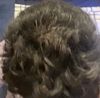
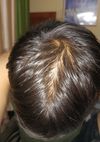
The user has been using finasteride every other day and oral minoxidil for hair regrowth, noticing new baby hairs. They are hopeful about regaining hair on their temples.
The conversation is about concerns regarding starting finasteride for AGA, with a preference for topical finasteride due to worries about oral side effects. The user is considering adding oral minoxidil later due to an allergy to topical minoxidil.
The post and conversation are about the user's experience with oral minoxidil for hair loss. Some users noticed increased hair density, while others experienced unwanted hair growth in different areas of the body.
The user is struggling with the daily application of topical treatments like Minoxidil and melatonin for hair loss, concerned about the impact on hair cleanliness and texture. They are unsure how to manage the routine without washing their hair daily, which dries it out.
The user has been taking oral Minoxidil (1.25mg/day) for two weeks to treat hair loss, has experienced no side effects, and plans to increase the dose to 2.5mg/day after another two weeks. They are also monitoring their blood pressure and have not noticed any negative interactions with their pre-workout supplements.
The conversation is about the risks and uncertainties of using oral Minoxidil for hair loss, emphasizing that topical Minoxidil may be just as effective. It also mentions alternative treatments like micro-needling and retinol.
The user is using a regimen of 0.5mg dutasteride, 5% minoxidil foam at night, hair gummies, and rosemary water in the morning to address hair loss. They are experiencing some regrowth and are advised to be patient, with suggestions to possibly increase minoxidil application to twice a day for better results.
Oral Minoxidil (Loniten) effectively promotes hair regrowth, especially on the crown and temples, with minimal side effects like extra body hair. The user found it more convenient and effective than topical Minoxidil and had negative experiences with Finasteride and Dutasteride.
A 22-year-old male is considering using Minoxidil and Finasteride for crown thinning but is concerned about potential side effects. He seeks advice on dosages, brands, and whether to use oral or topical treatments, while maintaining a regimen for dandruff and scalp care.
Hope Medicine's announcement of the HMI-115 Phase II clinical trial for androgenetic alopecia in China; other related trials have been conducted or are ongoing in different countries, including Australia, US, and Europe. There is speculation that the product may be accepted across borders without additional testing.
The conversation is about hair loss treatment progress using dutasteride 0.5mg and oral minoxidil 3mg. Suggestions include adding topical minoxidil with tretinoin and considering micro needling or micro stamping for further improvement.
A 20-year-old diffuse thinner has been using finasteride for 8 months and is considering adding minoxidil to their routine. A user suggests incorporating minoxidil for quicker regrowth, despite the hassle of daily application, while continuing finasteride.
The conversation discusses using rosemary oil, finasteride, and oral minoxidil for hair loss. Rosemary oil's effectiveness is debated, but it may improve scalp blood flow and hair appearance.
The user has been using finasteride for 6 months and minoxidil for 12 months to address hair loss and recently started estradiol monotherapy for additional benefits. They are unsure if their hair is regrowing and are seeking advice on their progress.
A user shared their 4-month progress using oral Minoxidil (3mg) and Finasteride (1.1mg) with a 0.5mm derma roller twice a week, noting visible improvement. Others congratulated and encouraged them to continue the treatment.
A user is considering microneedling to enhance absorption of a prescribed topical hair loss treatment containing Minoxidil, Dutasteride, and Latanoprost, while already taking oral Minoxidil and Dutasteride. They seek advice on the effectiveness and safety of combining these treatments, especially due to the cost and their desire to maximize results.
The user is considering adding castor, rosemary, and pumpkin oils to their current hair loss treatment of finasteride and minoxidil. They are unsure about the effectiveness of these oils.
A user tried the Rapid Minoxidil Response Test (TrichoGene) and found they don't respond to topical Minoxidil, so they added tretinoin. The test is available internationally, and another user is considering ordering it.
In this conversation, 4990 discussed various treatments for hair loss, including oral minoxidil, PRP, transplan, Jak inhibitors, Dutasteride, Finasteride, Olumiant, Ketoconazole, RU58841, microneedling, baricitinib, and CCCA. They recommended scalp biopsies in unclear cases of DUPA, twice weekly to twice daily shampooing for topical minoxidil users, and two sessions spaced one month apart with follow up at month three to determine the effectiveness of PRP treatment.
The conversation discusses using both oral and topical forms of finasteride and minoxidil for hair loss. Concerns about potential overkill and side effects are raised, but no side effects are reported from using oral finasteride and topical minoxidil.
The user is using Minoxidil 5% with procapil spray and oral Minoxidil 2.5mg daily, and plans to add finasteride 1mg. They accidentally ordered a Minoxidil solution with finasteride 0.1% and are seeking advice on which to use.
A 22-year-old is frustrated with friends and family's dismissive attitudes towards hair loss and finds support and hope in an online community. They have not yet treated their hair loss but are considering medications like minoxidil and finasteride.
The user checked iron, ferritin, B12, zinc, testosterone, DHT, and estrogens to understand hair loss causes and the effects of dutasteride. They also noted increased heart rate and paleness with oral minoxidil.
User shared 1.5-year progress using 1mg finasteride, 15% minoxidil daily, and derma rolling weekly. Experienced initial shedding but achieved significant hair regrowth and improvement.
The conversation discusses the effectiveness of Minoxidil (Min) for hair loss treatment. It concludes that applying a 5% solution once daily is sufficient, and applying it twice daily doesn't provide much more benefit. However, if a higher concentration is beneficial, it can be achieved by more frequent application.
Mixing minoxidil and stemoxydine is not recommended due to potential dilution and reduced effectiveness. Applying them separately with a time gap is suggested.
The user is experiencing hair loss with symptoms of receding hairline, extreme shedding, and low density, possibly due to androgenic alopecia, diffuse thinning, retrograde alopecia, or telogen effluvium. They have used minoxidil and noticed changes in shedding patterns related to different water qualities and seborrheic dermatitis.
The user "OP" uses a combination of topical minoxidil 5%, finasteride 0.025%, and caffeine to combat hair loss, with noticeable results over 5-6 months. Side effects include unwanted body hair growth and an itchy scalp, but no significant sexual side effects.
Minoxidil 5% combined with 0.01% tretinoin may be as effective as using minoxidil twice daily. Users discuss switching to oral minoxidil for consistency, with concerns about side effects.