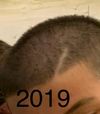
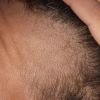
The conversation discusses using topical cetirizine for hair loss and questions its effectiveness and preparation. A user expresses interest in trying it if it can be dissolved in minoxidil.
BionicBell discussed using Bimatoprost, a medication typically for eyelash growth, for hair loss and mentioned a compounding pharmacy that can mix it with other ingredients like minoxidil and finasteride. They are seeking advice on using topical finasteride for female pattern baldness and are considering a custom foam combination to maximize hair growth results.
A product called HairMDL includes Minoxidil, Dutasteride, Latanoprost, caffeine, Tretinoin, and Triamcinolone. Users are curious about its effectiveness and safety, particularly regarding the topical steroid Triamcinolone.
The user is using oral minoxidil for hair growth and is considering adding topical latanoprost, but is concerned about potential eye color change. They are seeking advice on the effectiveness of latanoprost for hair thickening and the risk of eye color change.
The user experienced negative side effects from oral minoxidil, including cardiac issues and excessive sweating, and decided to switch to topical minoxidil while using other treatments like RU58841, Setipiprant, Azelaic acid, and latanoprost. Another user suggested splitting the oral minoxidil dose to reduce side effects.
A 40-year-old shared their positive experience with a second hair transplant at HDC Cyprus, involving 4148 grafts and costing around 9,000 euros. They used oral minoxidil, Dutasteride, biotin, and vitamins to aid recovery and were pleased with the results.
User shared progress on crown regrowth using Minoxidil Foam, oral Minoxidil 2.5mg daily, and Finasteride 1mg daily. They experienced initial headaches with oral Minoxidil, had a hair transplant, and are seeing regrowth but with thin hairs.
The user discusses using Follics FR5, FR10, and FR15, which combine Minoxidil, Adenosine, Procapil, Azelaic acid, and Procyanidin B2, to address hair loss. They have previously used Minoxidil, Finasteride, and Dutasteride with varying success.
The user is using minoxidil, finasteride, dutasteride, and clobetasol, along with needling, to combat hair loss. They are considering stopping treatment if no improvement is seen.
A user discusses a topical treatment combining Minoxidil, Betamethasone Valerate, Canrenone, Finasteride, and Dutasteride for hair loss. The treatment is RX-only and provided by a dermatologist.
OP is using 5% minoxidil and a foligain supplement for hair loss, with blood test results showing high cortisol levels. OP is considering starting finasteride, while another user shares their experience with finasteride and hair loss challenges due to malabsorption issues.
The conversation is about a user concerned about a prescribed 5 mL daily dose of 5% minoxidil for seborrheic dermatitis and hair thinning, which seems excessive compared to the typical 2 mL recommendation. The user is advised to consult their dermatologist and consider additional treatments like ketoconazole and CBD+MCT.
The user reported minimal results for the first 7-8 months using finasteride every other day and minoxidil once a day, but recently noticed hairline improvement and increased density. They also started microneedling once a week.
The user underwent a second hair transplant for the crown and mid-scalp, achieving good density. They are using minoxidil, finasteride, and biotin, and considering PRP treatments to enhance growth.
The user is seeking alternative hair loss treatments due to side effects from finasteride and minoxidil. They are inquiring about the availability of gt20029 from u-lab.
A user is considering switching from regular 5% minoxidil foam to a compounded 5% minoxidil spray with added caffeine, melatonin, and tretinoin for easier application and potentially better results. Another user mentions that tretinoin can enhance minoxidil's effectiveness by converting it to its active form.
The conversation is about making oral minoxidil pills for personal use, including inquiries about ingredients and binders. The user mentions taking 2.5mg of oral minoxidil daily.
OP has been using oral minoxidil (5mg) and oral dutasteride (0.5mg) but sees little progress and is unsure if they should continue. Other users suggest being consistent, giving it more time, and addressing scalp inflammation.
The user experienced significant hair regrowth and increased density after six months of using 0.5mg Dutasteride, 5% Minoxidil foam, and Olly hair gummies daily. The user plans to discontinue the gummies, believing the medications are primarily responsible for the improvement.
The conversation is about an 18-year-old's progress with hair regrowth using oral Minoxidil, dermarolling, and RU58841 over three months, starting treatment after beginning to lose hair at 16. Participants are impressed with the improvement and encourage continued treatment.
CumShotDiva's update on using topical minoxidil orally in an attempt to regrow hair, which has been met with both support and criticism from other users. The conversation includes discussion of possible side effects and the efficacy of this approach.
User shares a topical hair loss solution using melatonin and cetirizine to help reduce shedding and itching. Instructions provided for creating and using the mixture, with additional lifestyle tips for overall hair health.
A compounding pharmacist offers affordable topical finasteride foam with Anagain and micro-dose finasteride capsules for hair loss. They provide telehealth services across Canada and private appointments for international patients.
The user is frustrated with their dermatologist's refusal to prescribe oral Minoxidil and Finasteride for hair loss, despite starting Finasteride recently. They consider discussing oral Minoxidil with their primary care doctor and exploring telehealth options.
A 28-year-old male is experiencing temple regrowth but crown thinning while using 5mg minoxidil and 0.5mg dutasteride. The shedding phase is seen as a positive sign of treatment effectiveness, with expectations of noticeable improvements around 6 to 12 months.
The conversation discusses using a multimodal approach to treat androgenic alopecia, including substances like gamma-linolenic acid, DHA, sulforaphane, melatonin, cetirizine, astaxanthin, fisetin, apigenin, curcumin, limonene, genistein, and berberine. Users also mention using ketoconazole, minoxidil, and low-level laser therapy (LLLT) as part of their hair loss treatment regimens.
A 30-year-old male is considering switching from topical to oral minoxidil after two months of use on his temples, while also using dutasteride every other day. A user suggests oral minoxidil might be more effective but warns of potential side effects like fluid retention and lower blood pressure.