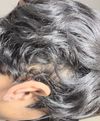
User shared 6-month hair loss treatment update with Dut 3x/week, oral min, and dut+prp mesotherapy. Experienced positive results, no side effects, and recommends the regimen.
A user shared their 3-month experience with oral Minoxidil and nearly a year on finasteride, asking if a hair transplant might still be needed. Responses varied from congratulatory remarks on visible improvement to advice on sticking with treatments despite initial shedding.
The user has been using liposomal topical finasteride since late 2022, progressively increasing the dose, but DHT serum levels remain largely unchanged. Despite using finasteride, minoxidil, microneedling, and ketoconazole, hair condition has neither improved nor worsened.
The post and conversation discuss a user's 6-month update on using oral minoxidil for hair loss, with humorous and satirical replies. Some comments suggest discontinuing due to side effects.
The conversation discusses a user's 3.5-month experience using pyrilutamide and minoxidil for hair loss, with some perceived improvement in the temples but potential recent regression. Another user suggests that maintaining the current hairline, even without improvement, is positive.
Oral minoxidil may cause temporary facial puffiness, leading to a perception of accelerated aging, but it doesn't cause actual aging. Concerns about hair loss and treatments like minoxidil and finasteride are discussed, with suggestions to use tretinoin and sunscreen to mitigate potential side effects.
The user switched from oral finasteride to oral dutasteride and increased minoxidil dosage, seeing significant hair improvement over a year. They plan to wait until age 35 for a hair transplant, aiming for optimal results.
The user shared progress pictures after 80 days on oral minoxidil, noting improvement despite some shedding and no side effects. The discussion included comparisons between oral and topical minoxidil, with some users preferring oral for convenience and effectiveness.
The user is happy with the progress in hair density after using a regimen of oral Dutasteride, topical Minoxidil, Tretinoin cream, Ketoconazole shampoo, and an LLLT helmet. They reported no side effects and noted that Dutasteride and Tretinoin were particularly effective.
A 21-year-old university student started using Minoxidil and derma stamping for hair loss over two months ago. Despite poor sleep due to exams, the student is hopeful about improving their sleep schedule during the holidays and notes their hairline remains straight.
The conversation is about someone's hair transplant progress after 9 months on finasteride and oral minoxidil, considering switching to dutasteride. Specific treatments mentioned include hair transplant, finasteride, oral minoxidil, and a potential switch to dutasteride.
People often notice and analyze others' hairlines due to their own insecurities about hair loss. Treatments mentioned include finasteride, minoxidil, dutasteride, and red light therapy.
The user is trying topical melatonin for hair loss and reports feeling tired and unmotivated, considering using it only at night due to restlessness. No hair regrowth noticed after 4 days.
A 20-year-old male experiencing hair loss is considering switching from topical finasteride to oral finasteride after using minoxidil and topical finasteride. He is unsure whether to switch now or wait until his hair recovers, as he is experiencing significant shedding.
The conversation is about a user's positive experience with hair regrowth using 2.5mg daily of Dutasteride and 5mg oral Minoxidil, noting significant progress without major side effects. The user experienced an initial hair shed with Dutasteride, which stopped after starting Minoxidil, and recommends consulting a doctor before adjusting dosages.
The user switched from finasteride to dutasteride for hair loss and noticed elevated cholesterol levels, questioning if dutasteride caused this change. They also take Vitamin D, biotin, magnesium, ginkgo biloba, omega-3, and NAC, and are concerned about the impact of these supplements and their health on cholesterol levels.
The user is considering increasing their dutasteride dose and trying clascoterone or RU58841 for hair loss stabilization. They have used finasteride, minoxidil, and dutasteride, with some success but recent setbacks.
The conclusion of the conversation is that oral minoxidil has been effective in saving and restoring hair, but it may have diminishing returns as you age. It is suggested to consider using finasteride in addition to minoxidil for better results.
The FDA warned that topical finasteride can cause serious side effects like sexual dysfunction and brain fog, similar to oral finasteride. Compounded topical formulations pose additional risks due to lack of regulation.
Clascoterone is promising for hair loss, showing 24.5% improvement in satisfaction compared to placebo. Users consider it an alternative to finasteride, with concerns about absorption and side effects.
The user has been using oral Minoxidil for a year and switched from dutasteride to finasteride four months ago, noticing some growth but still experiencing hair loss. They seek advice on managing hair loss, mentioning their hair feels strong when dry and they apply oil weekly.
The user is considering switching from Finasteride to Dutasteride for better hair regrowth, despite concerns about potential shedding and side effects. Opinions vary, with some suggesting the switch for stronger results and others advising caution due to possible side effects and the importance of consulting a doctor.
A 23-year-old shares progress in hair quality after 4 months using dutasteride, topical minoxidil, and other treatments, noting improved crown thickness but persistent temple thinning. They switched from finasteride to dutasteride due to side effects and started testosterone replacement therapy, which they believe helps mitigate side effects.
A user is concerned about receding hairlines and considers using finasteride and minoxidil but is hesitant due to potential side effects. Others advise starting treatment early to prevent further hair loss, emphasizing that finasteride is generally safe and effective for prevention.
A 25-year-old is using vinpocetine to enhance the absorption of topical Minoxidil for hair loss. They also use a hair tonic and supplement with Glycine, Taurine, Creatine, and Citrulline.
The user has been using oral finasteride and minoxidil for hair loss since October 2024, with noticeable progress, and is considering switching to a new regimen including dutasteride, minoxidil, and biotin. They are seeking advice on the new treatment plan and its potential effects.
The user added RU58841 to their finasteride and minoxidil routine, noticing significant improvement in hairline after 52 days. Some users warn about potential side effects of RU58841, while others express curiosity and congratulate the progress.
Adding melatonin to topical hair loss treatments like Minoxidil can promote thicker hair growth, with the only side effect potentially being improved sleep. Melatonin is affordable and easy to mix into solutions.
User discusses using topical Minoxidil twice daily for 4 months, then switching to once daily with oral Dutasteride and Minoxidil. They also mention microneedling monthly and are unsure if oral Minoxidil is better than topical.