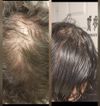
The post discusses using ImageJ software to objectively track hair regrowth progress. The user is treating Androgen alopecia with dutasteride and minoxidil.
The user aims to achieve a hypertrichosis look and has used topical Minoxidil for 20 years, now trying oral Minoxidil in a low dose. They seek alternatives to Minoxidil to avoid side effects.
The user is experiencing hair thickening with oral minoxidil but notices worsening hairline and considers starting finasteride despite concerns about gynecomastia. They are also considering using Latisse on their hairline and seek advice on potential outcomes and experiences with these treatments.
Low testosterone and estradiol may contribute to hair loss, and blocking DHT without sufficient hormone levels might hinder regrowth. The discussion highlights the importance of hormone balance, with some considering supplements and lifestyle changes to support hair health.
The conversation is about a person considering participating in a study for Clascoterone, a topical cream for hair loss, and seeking advice on potential side effects. They have mild hair loss and are not currently using other treatments like finasteride.
Caffeine liquid may be as effective as Minoxidil for hair loss and could be used together for added benefits. However, the credibility of the research is questionable due to potential bias, as the study was sponsored by a company that sells caffeine solution and was not double-blind.
A 36-year-old has been using oral finasteride (1 mg daily) and topical minoxidil twice a day since September 2023, and added LLLT (helmet) to their routine 2 months ago, seeing positive changes. They also use Ketoconazole shampoo, rotate other medical shampoos, train regularly, eat clean, and manage stress.
The conversation discusses hair loss treatments, focusing on a new slow-release oral minoxidil compared to topical minoxidil and finasteride. The results show that twice-daily dosing of the new treatment is slightly more effective than once-daily, but concerns about cost, side effects, and the accuracy of reported results remain.
The user has been using finasteride and minoxidil for 7 months, seeing thicker hair but no temple regrowth, and is considering switching to dutasteride. Another person suggested trying microneedling on the temples before changing medications.
The user shared a 2-month progress update using topical finasteride and minoxidil for hair loss. The conversation included comments on the user's appearance and potential side effects.
Switching from topical to oral minoxidil due to scalp irritation and unsatisfactory results, while also seeking cheaper options in the U.S. Oral minoxidil is generally favored for its effectiveness and fewer application downsides, with CostPlusDrugs and GoodRx offering affordable prices.
The user switched from topical minoxidil/dutasteride to oral dutasteride, resulting in hair loss. They resumed topical treatment without regrowth and are considering switching to finasteride due to poor results with oral dutasteride.
The conversation discusses using topical cetirizine as a treatment for androgenetic alopecia (hair loss). Specific treatments mentioned include Minoxidil, finasteride, and RU58841.
Exosomes, cetirizine, melatonin, latanoprost, and caffeine are discussed as potential hair loss treatments. There is skepticism about the effectiveness of exosomes, especially in topical form, but some users report positive results.
The user is already using topical finasteride and minoxidil for hair loss and is considering adding topical caffeine. They are seeking opinions on the effectiveness of topical caffeine.
The user shared a 4-month update on their hair loss treatment, using 2.5 mg OM daily, 0.5 mg Dutasteride three times a week, and a multivitamin with biotin. They provided progress pictures to show their results.
Switching from oral to topical dutasteride can cause shedding due to changes in DHT levels, and it's recommended to overlap both treatments to minimize this effect. Topical dutasteride may cause scalp irritation, and the user is considering dutasteride mesotherapy as an alternative.
The user is experiencing noticeable hair improvement after 4.5 months of using a treatment regimen including minoxidil, finasteride, biotin, Nioxin shampoo, microneedling, topical NANoxidil, and copper peptides. Feedback from others is positive, encouraging the user to continue the treatment for at least a year or more.
A user's progress using oral minoxidil and dutasteride to treat hair loss, which has yielded positive results. Other users have wished him luck in his journey.
A user experienced severe side effects, including heart-related symptoms, after increasing their oral minoxidil dosage to 5 mg, leading them to stop the medication and seek medical advice. Many users advised against high doses of oral minoxidil, suggesting anxiety as a possible cause, and recommended consulting a doctor or switching to topical treatments.
A 3 year journey of hair loss, with recession and diffuse thinning; the user has been taking finasteride for 3 years and is now switching to dutasteride and oral minoxidil, and may start using topical minoxidil soon.
The user has been using MinoxidilMax Latanoprost 0.01% and noticed an increase in hair density after years of stability on finasteride and minoxidil. They are seeking help to find a higher dosage of Latanoprost or a reliable source to purchase the powder to make their own, without a prescription or high cost.
The conversation is about the effectiveness of a hair loss treatment product containing 0.01% Latanoprost, with the user considering trying it as a vehicle for RU58841. The user questions whether the dosage is too low to be effective.
The user has been using dutasteride for 8 months and added oral minoxidil 1.25mg for 4 months, seeing improved hair density despite minor shedding. They are considering increasing the minoxidil dose to 2.5mg due to concerns about side effects.
A 20-year-old is considering switching from applying a Minoxidil 5%/Finasteride 0.1% solution twice daily to once daily due to cost and convenience. It is suggested that applying once a day before sleep should still be effective if done consistently.
The user is using dutasteride, oral minoxidil, and a topical compound with minoxidil, latanoprost, finasteride, and biotin. They are considering stopping the topical minoxidil due to lack of noticeable results on the head but are concerned about potential hair loss or shedding.
The user is using oral finasteride, topical minoxidil, and microneedling for hair loss. Progress has slowed, with the crown showing little change, but the hairline is improving with more thin baby hairs.
BionicBell discussed using Bimatoprost, a medication typically for eyelash growth, for hair loss and mentioned a compounding pharmacy that can mix it with other ingredients like minoxidil and finasteride. They are seeking advice on using topical finasteride for female pattern baldness and are considering a custom foam combination to maximize hair growth results.
The user has been using minoxidil for 6 months and has seen improvements but still has bald spots. They plan to consult a dermatologist to address their concerns.
Minoxidil may cause skin aging effects like wrinkles and dark circles, but evidence is mixed. Alternatives like dermarolling and retinol are suggested.