User shared progress pictures of hair regrowth on the crown/vertex after a transplant and using finasteride, Minoxidil foam, and a dermapen. They hope to fully regrow or increase density in the crown area.
The conversation discusses a patent filed by Shiseido for cloning Dermal Papilla (DP) cells to treat hair loss. The method involves using viral vectors to maintain the cells' growth-inducing properties, differing from Replicel's approach with Dermal Sheath Cup (DSC) cells.
A new technique developed by scientists in Japan to reverse balding using hair follicle cell transplants, and the discussion around the effectiveness of this approach compared to other treatments such as Minoxidil, finasteride, RU58841, Replicel, and Hairclone.
The user is satisfied with hair transplant progress after 4 months, using finasteride, vitamins, shampoo, and serum for hair loss. Others compliment the results and anticipate further improvement.
Epibiotech will offer off-the-shelf allogeneic hair multiplication treatment in South Korea, using dermal papilla cells from donors to grow hair in balding areas. This method is cheaper and less invasive than traditional hair transplants.
Low-level laser therapy (LLLT) devices may help thicken existing hair but are not effective for regrowing hair on bald areas. Users suggest sticking with finasteride, minoxidil, and dermapenning, as LLLT devices like Capillus are expensive and results are mixed.
The user experienced noticeable hair regrowth after using finasteride for 2 years, oral minoxidil for 1 year, and recently starting dermarolling. The right temple shows significant improvement, while the left remains similar.
A double-blind clinical study that found ingestion of tocotrienols resulted in a 34.5% increase in hair regrowth compared to the placebo group, and discussion about potential side effects and cost of supplementation with vitamin E pills. The conversation noted that it may be more effective than commonly used treatments like minoxidil and finasteride.
A 29-year-old man had a successful hair transplant at Dr. Ulusan Clinic in Izmir, Turkey, receiving over 4600 grafts and exosome injections. He started using finasteride and minoxidil daily a month after shaving his head, which improved his confidence and outlook on life.
A person with hair loss due to seborrheic dermatitis saw improvement after treating the condition and using 5mg oral minoxidil, topical minoxidil, collagen, biotin, and vitamins. They are asking if the progress is real, and others have noted the oral minoxidil as a significant treatment.
Longitudinal partial follicular unit transplantation involves extracting part of the donor follicular unit, allowing the donor area to be overharvested without noticeable hair loss. The conversation questions if this method is practiced in clinics or if it's theoretical, and whether it relates to hair cloning or multiplication.
The user shared progress pictures showing significant improvement in hair loss after using finasteride, RU58841, and undergoing a 3000 graft hair transplant. They plan to get another transplant due to remaining thin areas.
PP405, a topical LDH inhibitor, has shown to stimulate hair follicle stem cell proliferation in humans with moderate hair loss. They are advancing to more detailed trials this year.
A 29-year-old shares progress on hair recovery using a daily liposomal topical mix of finasteride and minoxidil, iRestore device, and several vitamins. They report no side effects from the topical treatment, unlike previous issues with oral finasteride.
OP injured their temple using derma rolling and tretinoin, causing peeling and potential hair follicle damage. Users suggest the injury might be permanent, possibly resulting in scar tissue where hair won't grow.
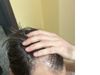
A user shared their positive experience with a 4750 graft hair transplant at Dr. Orçun Clinic in Istanbul, including a high-quality exosome treatment. Despite skepticism and accusations of advertising, the user expressed satisfaction with the natural-looking results and the doctor's personal involvement.
The user had a hair transplant in 2020 and later learned they needed to continue medication for hair loss. They shared a 5-month timelapse video of their hair regrowth using topical finasteride/minoxidil, microneedling every 3 weeks, and ketoconazole.
The user is using topical minoxidil, topical finasteride, tretinoin cream, microneedling, and ketoconazole and caffeine shampoo for hair regrowth. They are satisfied with the progress but unsure if more regrowth is possible and are advised to continue the routine for a year.
A 33-year-old male is documenting his hair regrowth progress using minoxidil, red light therapy, copper peptides, and micro-needling, with noticeable improvement in hair thickness and coverage. He plans to add a topical finasteride/minoxidil spray and aims for a shadow on his scalp rather than a full head of hair.
The post and conversation discuss Verteporfin's potential as a hair loss treatment. It's shown promise in regrowing hair after transplants and might be effective with microneedling.
Stem cell-related treatments and drugs like RCGD423 and WAY are being tested for hair growth. Clinics are conducting tests on patients who haven't had previous treatments.
Regenera Activa and exosome therapy are discussed for hair loss treatment, focusing on their effectiveness for regrowth, thickening, or reducing shedding. Users are seeking experiences and results from these treatments.
The user regrew their hairline using mechanical stimulation, including a 1.5mm derma roller weekly, daily scalp massages, and other treatments like Nizoral, zinc pyrithione, fish oil, and Lipogaine The Big 5. They did not use Minoxidil or finasteride.
Hair cloning and new treatments like ET-02, Veradermics (vdphl01), and wound-induced hair neogenesis show promise but are not yet widely available. Current effective treatments include minoxidil, finasteride, and dutasteride, with early intervention being crucial for better outcomes.
User started minoxidil, noticed forehead lines and dark circles, and asked for non-invasive skin aging prevention methods. Another user suggested using tretinoin and hyaluronic acid for long-term benefits.
A 22-year-old has been using minoxidil and finasteride for four years with limited success and recently added microneedling to their regimen. They have seen some hair regrowth and are advised to continue using minoxidil alongside microneedling and consider lifestyle factors like diet and stress.
The conversation is about the potential of SCUBE3 to regrow a juvenile hairline. Specific treatments mentioned include Minoxidil, Finasteride, and RU58841.
A new hair growth product claims to use apple stem cells, plant collagen, and bamboo leaf extract, with a 120-day money-back guarantee. Some users are skeptical, noting the product's marketing alongside other treatments like Minoxidil, finasteride, and red light therapy.
The user is unsatisfied with their hair transplant and is considering another transplant, PRP, exosomes, or stem cells. They currently use topical minoxidil, dutasteride, and tretinoin.