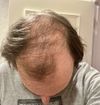
User started minox and fin for hair loss and wants to know if they'll help thicken hair. Another user suggests shaving head before starting treatment and mentions success stories.
Treatments for hair loss, including finasteride, dutasteride, minoxidil, ketoconazole, microneedling, and low level laser light therapy, which aim to reduce DHT production, increase cell absorption and blood flow, and stimulate epidermal stem cells. It also stresses the importance of patience when using these treatments.
A 20-year-old experiencing hair thinning is considering treatments like minoxidil, finasteride, and various oils but is hesitant due to potential side effects. Users advise starting minoxidil and finasteride for effective results, while oils and supplements are seen as less effective.
A user is concerned about starting finasteride due to negative reports and potential side effects. Other users suggest talking to a doctor, considering personal tolerance, and note that side effects are rare.
The conversation discusses using topical finasteride for hair loss, with concerns about its safety around family members, especially pregnant women and infants. One user plans to try topical finasteride due to side effects from the pill.
Whey protein does not cause hair loss; concerns are likely unfounded. The user is on finasteride and minoxidil but sees no improvement, so they are phasing out these treatments while continuing to work out and use whey protein.
Minoxidil can cause initial hair shedding, but it's a sign the treatment is working. Users suggest combining it with finasteride and being patient, as hair often regrows after the shedding phase.
Peptides like GHK-Cu, BPC-157, and TB-500 have significantly reduced hair loss, with GHK-Cu being particularly effective. The discussion also covers the high cost of these peptides and explores more affordable purchasing options.
Hair loss involves more than just DHT, with genetic factors like TRPS affecting hair follicles. Treatments such as Amplifica's AMP-601 and AMP-303 target stem cells for potential hair growth solutions.
Switching from finasteride to dutasteride can improve hair regrowth with fewer side effects for some users. Concerns about shedding, lack of improvement, and the long-term safety of oral minoxidil remain.
A 25-year-old man is worried about his girlfriend noticing his balding and is frustrated by society's focus on looks. He uses minoxidil, finasteride, and dutasteride for hair loss and considers being honest with her.
Significant hair regrowth was achieved after 4.5 months using 0.5 mg Dutasteride and 5 mg oral Minoxidil. Tips on obtaining prescriptions and discussions on effectiveness and side effects were also shared.
A person was concerned about applying minoxidil and tretinoin in a public airport bathroom, fearing judgment from others. Most responses reassured them that no one cares, suggesting they apply it in a stall or skip a dose without worry.
Hair loss is often linked to inflammation and DHT, with treatments like finasteride, dutasteride, and minoxidil being effective for many. Natural remedies like turmeric and oils are discussed, but medications are generally seen as more reliable for managing genetic hair loss.
A 22-year-old male with a family history of baldness has been using finasteride for 3 months and previously used minoxidil. He is concerned about hair loss progression and seeks advice on whether to restart minoxidil and improve his lifestyle, while being advised to be patient with the treatment.
A doctor advised against taking finasteride after a hair transplant, suggesting the patient had reached their final balding pattern, but many users disagreed, recommending medications like minoxidil and finasteride to prevent further hair loss. The consensus was to seek a second opinion, as the advice seemed financially motivated rather than medically sound.
Cialis is used to manage erectile dysfunction caused by finasteride and dutasteride, with mixed results. Some users report improvement, while others consider stopping the medication due to side effects.
Long-term finasteride use typically slows hair loss, with some users experiencing side effects like sexual dysfunction and depression. Many users also use minoxidil and dutasteride for improved results, though individual responses vary.
A dermatologist refused to prescribe finasteride due to concerns about recent research linking it to male breast cancer, suggesting a topical alternative with minoxidil instead. The user is advised to seek a second opinion, as the evidence for such risks is inconclusive and the dermatologist's reasoning seems questionable.
A dermatologist prescribed alternatives to Minoxidil and Finasteride for hair loss. Users recommend sticking with Minoxidil, Finasteride, or Ketoconazole shampoo and suggest seeking a second opinion.
The user is experiencing significant hair loss and is considering treatments like minoxidil, finasteride, and possibly a hair transplant. They are advised to consult a dermatologist and consider oral minoxidil and dutasteride, while being aware of potential side effects and the need for ongoing treatment.
ABS-201, a prolactin receptor blocker, shows promise in reversing hair loss and graying, with early success in macaques. Current treatments like finasteride, minoxidil, and RU58841 are still widely used, but new options like PP405 are eagerly anticipated.
Finasteride and minoxidil use resulted in a more youthful appearance and improved skin. There is debate about their effects on collagen and skin aging, with no solid evidence supporting significant changes due to finasteride.
Hair loss is influenced by genetics and sensitivity to hormones like DHT. Treatments like Minoxidil and finasteride are commonly used, and baldness persists as it doesn't affect reproductive success.
The person experienced worsening hair loss despite using minoxidil, finasteride, and dutasteride. They are considering increasing dutasteride dosage, trying microneedling, RU58841, and oral minoxidil, and are advised to consult a trichologist.
PP405 is suspected to be a scam, with users doubting its legitimacy and effectiveness. Many recommend using proven treatments like finasteride and minoxidil.
Concerns about the long-term effects of dutasteride and finasteride on fertility, with discussions on cycling these medications to mitigate risks. The conversation highlights skepticism about study methodologies and the importance of weighing treatment risks against potential fertility issues.
A user stopped finasteride after 15 years due to severe side effects, which improved after quitting. They maintained most of their hair and are considering alternatives like topical treatments or RU58841.
Kevin Mann avoids dutasteride because it comes in gelatin capsules, which he avoids as a vegan, and he is satisfied with finasteride's results. He prefers finasteride due to more long-term research and follows the principle of "if it ain't broke, don't fix it."
PP405 is a promising molecule that may reactivate dormant hair follicles, potentially offering a new treatment for hair loss. It is in phase 2 trials, with possible availability between 2027 and 2030.