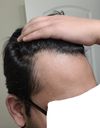
Hair loss treatments, specifically the use of Finasteride, Nizoral, and dermarolling; potential results from these treatments are discussed, along with potential side effects.
Hair loss discussion includes treatments like Minoxidil, Finasteride, and RU58841. A secret to applying Toppik Hair Building Fibers is shared, and a possible reason is to help people apply Toppik.
A user shared their experience with hair loss treatments, finding success with a topical hair serum containing GHK Cu and AHK Cu, which reduced shedding. They avoided hormonal treatments like finasteride and minoxidil, and noted skepticism from others about non-traditional treatments.
GHK-Cu and AHK-Cu peptides show limited success for hair loss, with skepticism about their effectiveness and concerns about misleading claims. Users report better results when combined with treatments like finasteride, dutasteride, minoxidil, and other methods.
The conversation is about hair loss treatments, specifically using dutasteride and oral minoxidil, and exploring additional vitamins and supplements like vitamin D, zinc, biotin, and omega-3 to support hair health. Users suggest getting a blood panel to identify deficiencies and emphasize the importance of protein and overall nutrition.
The user is considering starting topical minoxidil to address a receding hairline and mild dandruff. They are seeking advice on potential effects and side effects of the treatment.
The user is using dutasteride, finasteride, and RU58841 for hair loss but is allergic to minoxidil. Suggestions include dropping finasteride, increasing dutasteride dosage, and considering alternatives like microneedling, laser treatments, scalp massage, and supplements.
A 32-year-old male with hair loss cannot use finasteride due to erectile dysfunction and minoxidil due to scalp psoriasis. He seeks alternative treatments for his condition.
A user is considering an extensive hair loss treatment regimen including oral dutasteride, oral minoxidil, topical finasteride, tretinoin, microneedling, keto shampoo, laser comb, and PRP injections. Suggestions include simplifying the routine, possibly increasing minoxidil dosage, and considering alternatives like RU58841, while cautioning against using estrogen due to potential side effects.
The user experienced positive hair regrowth using topical minoxidil, along with other factors like shorter hair, castor oil, and hair masks. The user is optimistic about further progress and wants to avoid baldness.
The conversation discusses hair loss treatments, focusing on a "natural stack" including minoxidil, microneedling, a laser helmet, saw palmetto, ketoconazole shampoo, and supplements. Many users suggest adding finasteride or dutasteride for better results, as natural methods alone may not effectively block DHT.
Rubbing coffee into hair may strengthen it and slow hair loss, according to one user. Other users discuss using caffeine topically, with some combining it with treatments like finasteride, minoxidil, and dermastamping for hair growth.
The conversation is about maximizing hair growth using treatments like oral finasteride, topical minoxidil, caffeine and ketoconazole shampoos, biotin, omega-3, vitamin D supplements, microneedling, and various hair oils such as rosemary, castor, coconut, and peppermint. Users discuss the effectiveness of these methods and share personal experiences with hair oils for scalp health and hair maintenance.
Microneedling is still considered effective for hair growth, especially when combined with minoxidil, though it is time-consuming. Some users report significant success with consistent use, while others find it less popular due to the effort required compared to topical treatments alone.
The conversation discusses hair loss treatments, specifically progesterone therapy with hydrocortisone butyrate, and the use of dutasteride and finasteride. Opinions vary on the effectiveness and side effects of these treatments, with some users advocating for acceptance of balding if treatments are not suitable.
A 22-year-old male is considering using Minoxidil and Finasteride for crown thinning but is concerned about potential side effects. He seeks advice on dosages, brands, and whether to use oral or topical treatments, while maintaining a regimen for dandruff and scalp care.
The conversation covers aggressive hair regrowth treatments like Dutasteride, Minoxidil (oral and topical), RU58841, microneedling, and ketoconazole shampoo. It also mentions PRP, laser therapy, GHK-Cu injections, and hormone therapy for maximum regrowth.
A 25-year-old shared progress in hair regrowth after 7 months using dutasteride, minoxidil, and microneedling, noting some baby hair growth on the temples. The user plans to continue this treatment, having found it effective despite some initial shedding and challenges with styling due to topical minoxidil.
The user is using topical finasteride 0.1%, minoxidil 5% twice daily, red light therapy, a multi-peptide serum, and a weekly oil hair mask with various oils and ingredients. They also use ketoconazole shampoo, condition their hair, and microneedle with a dermapen, seeking advice on any changes to their routine.
The user experienced reduced hair fall with topical minoxidil and finasteride but no regrowth, and faced hormonal issues with oral finasteride. They are considering a hair transplant and exploring treatments like topical dutasteride, oral minoxidil, microneedling, and hair supplements.
The conversation discusses preventative hair care measures for hair loss, focusing on non-prescription treatments like rosemary, peppermint, castor oils, microneedling, and ketoconazole shampoo. It also touches on the use of finasteride, minoxidil, and RU58841 for those experiencing hair loss.
The conversation discusses a comprehensive hair regrowth regimen including Dutasteride, Finasteride, microneedling, RU58841, oral and topical Minoxidil, Tretinoin, and Vitamin D3. Suggestions include dropping Finasteride, increasing Dutasteride, and considering additional treatments like caffeine, melatonin, and laser therapy, while emphasizing the effectiveness of Dutasteride and Minoxidil.
Bryan Johnson used a customized hair restoration formula from Roots byGA, which includes Minoxidil, Cetirizine HCl, Latanoprost, Dutasteride, Melatonin, Caffeine, Tretinoin, Vitamin D3, and Vitamin E. Many users are skeptical of the effectiveness and uniqueness of the treatment, suggesting that standard treatments like Minoxidil and Dutasteride are more reliable.
Hair oils can cause severe allergic reactions, as seen in Jermel Brown's case, leading to significant health issues and legal action for damages. Users discussed concerns about various hair oils, including Mielle and Kiehl's, with some experiencing hair loss and others using treatments like Minoxidil and Finasteride to address damage.
Calecim (PTT-6) Advanced Hair System is a 6-week hair restoration product using stem cell-derived ingredients to stimulate hair growth. Users are skeptical, calling it overpriced and ineffective, suggesting alternatives like LLLT devices or PRP treatments.
Follicopeptide (FOL005) by Coegin Pharma will launch as a cosmetic hair growth treatment by Q2 2025, showing similar efficacy to finasteride. Users discuss the benefits and skepticism of releasing hair loss treatments as cosmetics rather than drugs.
The post and conversation are about a hair loss treatment stack without finasteride or dutasteride. The suggested treatments include Alfatradiol, Koshine826, Ketoconazole lotion, Minoxidil, microneedling, Tretinoin, and Stemoxydine.
People discussed using finasteride and minoxidil for hair loss and mentioned additional treatments like microneedling, Nizoral, oils, vitamins, shampoos, natural treatments, and laser helmets. They shared their experiences with these treatments in combination with finasteride and minoxidil.