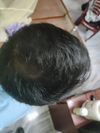
The reduction in scalp oiliness is likely due to finasteride reducing DHT levels and the use of ketoconazole shampoo. The combination of these treatments may have decreased sebum production.
Finasteride reduced dandruff and scalp oiliness by lowering DHT, which decreases sebum production. Users also noted improvements with Nizoral and dutasteride.
The user experienced excessive scalp oiliness and high testosterone levels after switching from finasteride to dutasteride. They plan to manage their condition with finasteride and are considering spironolactone to reduce testosterone and restore dry skin.
The conversation discusses using isotretinoin (Accutane) to reduce scalp oiliness and manage scalp issues like seborrheic dermatitis, inflammation, and chronic itch. A user shares that taking 20mg of Accutane every other day effectively reduces oily hair and skin.
Using vitamin C in shampoo to adjust pH levels can improve hair health and reduce oiliness and dandruff. The user mixed vitamin C powder with conditioner, achieving positive results.
Choosing between KB and PG solutions for applying RU58841, considering factors like scalp oiliness and absorption. Some users prefer KB for being gentler, while others use PG and recommend washing hair before application for better results.
The conversation is about using RF microneedling with ExoHealer, along with finasteride and minoxidil, to improve hair thickness and reduce shedding. The user reports noticeable improvements in scalp texture and oiliness, with plans to consider stem cell treatments in the future.
A 28-year-old male shares progress on hair loss treatment using 0.5mg dutasteride and 5mg minoxidil, experiencing initial shedding but encouraged by community support. He also uses ketoconazole occasionally based on scalp oiliness.
High-dose Dutasteride slightly reduces scalp itch, but adding RU58841 eliminates it completely. Some users report reduced itchiness and oiliness with Dutasteride, while others find topical anti-androgens more effective.
Lowering DHT can improve skin quality and reduce scalp issues. Finasteride is effective for hair regrowth and improving skin texture, while dutasteride may increase oiliness and shedding for some users.
The user shared their one-year journey using finasteride and topical minoxidil for hair loss, noting improvements in hair density and quality despite some perceived discrepancies in photos. They also mentioned using a salicylic acid shampoo to control oiliness and discussed the potential benefits of oral minoxidil and microneedling.
Pyrilutamide's effect on sebum production and scalp inflammation is unclear, with users noting no significant changes. Isotretinoin is mentioned as effective for reducing sebum, while Dutasteride and various shampoos have limited impact on oiliness and seborrheic dermatitis.
A 22-year-old male is on day 77 of using 1 mg finasteride for hair loss. He reports decreased oiliness and shedding but is unsure about overall progress.
To reduce oily hair, wash the scalp thoroughly with shampoo and avoid touching the hair with hands. Applying a watery body lotion to wet hair may also help lessen oiliness.
The user experienced hair regrowth after four months of using finasteride, dutasteride, and oral minoxidil. They noted increased oiliness in their hair after starting the treatment.
The conversation discusses starting finasteride for hair loss, with the original poster noting reduced scalp itching and oiliness after the first week. Users share experiences with different dosages and schedules, concerns about side effects, and the potential impact on prostate cancer detection.
The user has been dealing with an oily scalp, seborrheic dermatitis, and hair loss for 18 months, using finasteride without improvement. Another user suggested dutasteride for reducing scalp oiliness.
Finasteride, a hair loss treatment, was observed to reduce scalp oiliness in users. Anti-androgens like Finasteride are known to decrease the activity of oil-producing glands.
User experienced positive results with CosmeRNA for hair loss after 1.5 weeks, including reduced scalp itchiness, less oiliness, and decreased shedding. They have not felt any side effects and are happy with the treatment so far.
A user has been on finasteride for over a year with minimal hair regrowth and is considering stopping it, despite no side effects. They are also planning a hair transplant and seeking additional hair growth treatments, while managing high testosterone and scalp issues like dandruff and oiliness.
The conversation discusses whether topical finasteride, dutasteride, or antiandrogens like RU58841 can reduce sebum overproduction as an early indicator of their effectiveness in treating hair loss. It suggests that while hair growth may take months to observe, a decrease in oiliness could be a quicker sign of a product's action.
The user reversed male pattern baldness using a pro-thyroid diet, lifestyle changes, and scalp stimulation exercises, without Minoxidil or Finasteride. They reported reduced dandruff, itchiness, oiliness, and experienced hair regrowth and thickening over 15 months.
A 25-year-old male with androgenetic alopecia experienced improved hair condition after using finasteride, oral minoxidil, and dutasteride, but later faced diffuse thinning and texture deterioration after a shedding phase. Others suggest patience, continued treatment, and using ketoconazole shampoo, with some sharing similar experiences of post-shed thinning.
The user has been using finasteride for 7 months, switched to dutasteride for 4 months, and has been applying topical minoxidil once daily for 11 months, resulting in noticeable hair regrowth and improved hair health. The user experienced some shedding after switching to dutasteride but reports no side effects and improved skin condition.
Sulfur soap may help with hair thickening and reducing scalp inflammation, but it can cause dryness. Nizoral, containing ketoconazole, is noted for its potential to reduce seborrheic dermatitis but may also cause scalp dryness and hair loss.
Seborrheic dermatitis improved after a hair transplant. Effective treatments include Sebamed Anti-Dandruff Shampoo, Vichy Anti-Dandruff Shampoo, Nizoral, and medications like finasteride, dutasteride, and minoxidil.
Diet and specific shampoo improved scalp health and hair regrowth for someone with seborrheic dermatitis, while medications like Minoxidil and finasteride had no effect. A low-sugar, keto diet was key to their success.
The user has been using 1mg finasteride and twice-daily topical minoxidil with tretinoin for a year and has now started taking 2.5 mg oral minoxidil in the mornings while continuing topical minoxidil with tretinoin at night. They are seeking feedback on whether others have experienced hair shedding with this regimen.
A dermatologist prescribed a topical hair loss treatment containing finasteride, biotin, melatonin, and caffeine without alcohol. The user is skeptical about its effectiveness.
A user from China is participating in a clinical trial for Pyrilutamid, a potential hair loss treatment originally developed for prostate cancer. They've experienced no side effects except initial scalp itchiness, and will share results after the year-long trial.