Switching from liquid to foam Minoxidil to avoid scalp irritation, with a method to melt the foam for easier application. Users discuss alternatives and personal experiences with Minoxidil, including issues with propylene glycol and different application methods.
The user reports using Minoxidil, finasteride, microneedling, ketoconazole shampoo, rosemary oil, biotin, and multivitamins for hair loss treatment. They've noticed a significant reduction in hair shedding and an improvement in hair texture.
Saw palmetto, derma pen, rosemary oil, scalp massages, pumpkin seed oil, green tea extract, and B complex are discussed as natural treatments for hair loss, with mixed results reported. Some users consider adding finasteride for more effective results.
The conversation is about experimenting with topical exosomes for hair loss treatment, alongside microneedling, Happy Head's gel-like topical, and Ordinary's hair serum. The user also mentions the availability of treatments like latanoprost and Redensyl.
The conversation discusses using Biotin 10000mcg with Keratin and DHT blockers for hair growth. The user seeks advice on other community-recommended options.
Onion juice helped with hair loss but was smelly and inconvenient. The user now uses dutasteride and minoxidil, finding them more effective and practical.
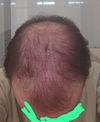
The user is using 1% ketoconazole shampoo, 5% minoxidil foam, and a multi-peptide hair serum to address hair loss, aiming to improve from Norwood 5 to Norwood 3. They are considering adding topical finasteride if current treatments show progress and plan to use cosmetic products like fibers and DermMatch for appearance enhancement.
People often turn to natural remedies like saw palmetto and rosemary oil for hair loss, but these are not as effective as FDA-approved treatments like finasteride and minoxidil. Some users express concerns about potential side effects of finasteride, while others share positive experiences with it.
The conversation discusses an ideal diet for promoting hair health, emphasizing biotin, collagen, vitamins C and E, zinc, selenium, anti-inflammatory foods, and blood circulation. It also mentions using finasteride, minoxidil, and dermarolling for hair regrowth.
Regenepure is recommended for hair loss due to its gentle formula and beneficial ingredients like Saw Palmetto and Biotin, despite having only 1% Ketoconazole. Nizoral is noted for its higher Ketoconazole content but is considered harsher on the scalp.
The conversation is about trying unconventional treatments for hair loss, such as green tea, coffee, cocoa, multivitamin pills, red wine, onion, honey, herbs, and hydrogen peroxide. The user is seeking feedback on these methods to avoid ineffective ones.
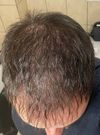
The user experienced significant hair regrowth over four months using oral finasteride, oral minoxidil, micro-needling, and rosemary oil. They reported no side effects and emphasized the importance of continuing the treatment to maintain results.
The conversation is about someone experiencing hair thinning at the temples and seeking alternative treatments to Minoxidil due to side effects. They are inquiring about the effectiveness of peppermint oil and dermarolling for hair growth.
The conversation is about managing seborrheic dermatitis and hair loss using treatments like Nizoral, Kelual DS, KPL, and MCT oil daily. The user is concerned about the effectiveness and safety of using MCT oil every day.
A user shared their hair regrowth journey, using minoxidil, finasteride, pumpkin seed oil, dermarolling, and scalp massages. They experienced side effects but saw significant improvement in their hairline.
People recommend using Nizoral, The Ordinary Multi-peptide Hair Serum, Minoxidil, and 2% ketoconazole shampoo for hair loss. The Ordinary serum is noted for creating an illusion of thickness rather than promoting regrowth.
Hair therapy advertisements claim to use a mix of fallopia multiflora, ginseng, angelica sinensis, and vitex rotundifolia for hair growth. A user dismisses it as fake.
Crushing spironolactone pills and combining them with minoxidil for topical application may be effective for hair loss, with the addition of finasteride suggested. Adding rosemary and peppermint oils can help mask the unpleasant smell.
Oral minoxidil and finasteride can change hair texture, making it drier or frizzier. Minoxidil is likely causing the roughness; adding a moisturizing treatment may help.
The post discusses using Mucuna pruriens, essential oils, and dermarolling for hair loss treatment. The user also mentions pausing testosterone-boosting herbs due to side effects like acne and hair loss.
Omega 3 and 6 supplements are considered ineffective for hair growth by most users, with some suggesting they only help if combined with other nutrients or if the diet is poor. Users generally find traditional treatments like minoxidil and finasteride more effective.
A user reported using oral Minoxidil 3mg, oral Finasteride 1mg, topical Minoxidil, dermarolling twice a week, and taking biotin and vitamin D daily for 10 weeks. They noticed small hairs growing at the hairline after 6 weeks.
The conversation discusses applying minoxidil effectively to the scalp for hair loss, with suggestions like parting hair, using a dropper, and considering liquid over foam. Some users also mention using finasteride and keeping hair short for better application.
A user shared their 5-month hair loss treatment progress using 1mg finasteride, topical minoxidil, biotin, Nizoral shampoo, and weekly dermarolling. Replies noted the user's hair was already thick, and there was interest in trying topical minoxidil.
Hair loss treatments discussed include leave-in conditioner, volumizing powder, styling products, and hairspray for thicker appearance without fibers. User shares routine and product suggestions for people with thin hair that lacks volume.
A user discusses using a 1.5mm dermaroller daily in the shower for hair loss, noting redness but no bleeding, and applying coconut oil afterward. They are concerned about a receding hairline and slight hair loss near the temple.
The user is concerned about losing over 100 hairs in the shower and wonders if it's normal due to not brushing daily, stress, surgery, and PRP treatments. They are using minoxidil, spironolactone, iron, vitamin D, a multivitamin, pumpkin seed oil, and saw palmetto.
A user is considering using finasteride and minoxidil to address hair loss, particularly at the temples and crown. Responses include encouragement, humor, and additional suggestions like using a derma roller.