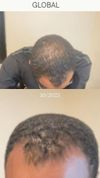
Mixing ketoconazole 2% shampoo with coal tar and salicylic acid for seborrheic dermatitis is discussed, with users sharing experiences and alternative treatments like sulfur soap and scalp massage. Some users report success with these methods, emphasizing the importance of avoiding irritants and maintaining scalp health.
The user has tried various hair loss treatments, including minoxidil, finasteride, ketoconazole, biotin spray, oral medications, and a Revian cap, but has not seen lasting improvement. They are considering stopping treatments and are frustrated with the lack of progress and the financial and emotional toll.
A user is considering using homemade hair sprays with ingredients like fenugreek seeds, rosemary, and lavender to promote hair growth, alongside topical minoxidil. Other users suggest that while these sprays may improve hair health, they are not as effective as minoxidil and finasteride for regrowing hair, and recommend using proven treatments like finasteride for better results.
Nizoral, a ketoconazole shampoo, can cause scalp dryness and hair shedding if overused. Users discuss alternatives like Selsun Blue, finasteride, and dutasteride for managing hair loss and seborrheic dermatitis.
The conversation discusses hair loss treatments, with the original poster using microneedling, rosemary oil, pumpkin seed oil, and Nizoral shampoo, and experiencing increased shedding. Responses suggest that shedding is typically a good sign only with medical treatments like minoxidil or finasteride, and recommend considering DHT blockers or medical treatments for effective results.
People are discussing hair care products and shampoos, with some using ketoconazole 2% and others mentioning products like NATIVE brand and Dr. Bronner’s peppermint soap. There's a focus on scalp health and the potential benefits of certain shampoos for aiding minoxidil absorption.
A user shared their successful hair regrowth journey using finasteride, minoxidil, microneedling, and castor oil, highlighting the importance of persistence despite initial shedding. They reported no side effects and encouraged consistency in treatment.
A 38-year-old with type 4c hair has experienced significant hair regrowth using oral finasteride and topical minoxidil for a year. They are concerned about potential shedding from a new hair growth serum and oil product, despite their current treatment.
The user started using 5 mg oral minoxidil and 1 mg finasteride daily, along with microneedling and applying lavender oil, saw palmetto, and pumpkin seed oil to the scalp. They report significant hair regrowth within a few months.
A straightforward hair loss treatment involves using Minoxidil twice daily, microneedling weekly, and using silicone-free shampoo. Shaving the head can simplify the routine, and consistency is crucial for effectiveness.
The user experienced hair regrowth and stabilization at Norwood 2 using natural remedies like pumpkin seed oil, rosemary oil, vitamins, and scalp massages, avoiding minoxidil and finasteride due to side effects. Another user suggested starting topical finasteride earlier to prevent further hair loss.
A user is seeking advice on creating a topical solution combining minoxidil, finasteride, and tretinoin for hair loss, and is unsure about optimal concentrations and availability. Another user shares their custom formula with tretinoin 0.015%, finasteride 0.025%, and minoxidil 5%, and mentions taking oral dutasteride 0.25mg daily.
The user shared their successful hair regrowth progress using minoxidil, finasteride, and a dermastamp over six months. They reported no shedding and used Kirkland liquid minoxidil and oral finasteride, while also managing dandruff with Nizoral shampoo.
Finasteride can increase estrogen levels, causing dizziness and nausea. Users discuss adjusting treatment and diet, and explore alternatives for hair loss management.
The user shared their 6-month hair loss progress, detailing a change in routine from using Minoxidil foam, topical Dutasteride, and topical Finasteride to using Minoxidil, oral Finasteride, derma rolling, and Keto shampoo. They seek suggestions for further improvements.
Consult a doctor before starting treatments like minoxidil and finasteride, as underlying issues like vitamin D deficiency can affect hair loss. While some believe androgenic alopecia is the most common cause, addressing all potential causes can lead to better results.
The user has been using finasteride (1mg daily) and oral minoxidil (2.5mg) for 2.5 years to treat diffuse thinning hair, with no side effects reported. They are satisfied with the progress, noting that the treatment has slowed hair loss and costs about £30 a month.
A 21-year-old shared impressive hair regrowth results after nearly three years using 1mg finasteride and 2.5mg oral minoxidil daily. The user experienced shedding periods but reported no side effects, and the transformation was praised by many.
A 19-year-old is using oral dutasteride, topical minoxidil, and dermastamping to address hair loss and enhance facial hair growth, experiencing minimal side effects and increased body hair. They report positive results in hairline thickness and temple closure.
Minoxidil and finasteride are effectively improving hair growth, with the user experiencing significant progress in less than two months using topical minoxidil and occasionally finasteride. The user also incorporates wild hair growth oil, tea tree oil, and dermastamping into their routine.
An 18-year-old experiencing hair loss and seborrheic dermatitis has tried finasteride, dutasteride, and various shampoos without success. They are considering anti-androgens like RU58841 and KX-826 for oil control and dandruff reduction.
Mixing peppermint and rosemary oil with minoxidil improves hair growth. Users report positive results with this combination, using both liquid and foam forms of minoxidil.
To reduce oily hair, wash the scalp thoroughly with shampoo and avoid touching the hair with hands. Applying a watery body lotion to wet hair may also help lessen oiliness.
A 36-year-old man is using topical 5% Minoxidil for hair thinning and is considering adding 3mg Minoxidil pills as recommended by a dermatologist. He is concerned about potential side effects and increased shedding but cannot access Finasteride due to strict regulations.
The conversation discusses managing hair loss and seborrheic dermatitis with treatments like minoxidil, finasteride, and saw palmetto, emphasizing the importance of scalp health and DHT reduction. The user shares personal experiences and suggests a balanced approach, combining topical treatments and lifestyle changes for effective hair regrowth.
The conversation discusses hair loss treatments, with the original poster using saw palmetto, biotin, minoxidil, a dermaroller, and rosemary oil, considering finasteride or a hair transplant in the future. Other users suggest finasteride or dutasteride for more effective results, while some recommend additional natural supplements and maintaining overall health.
A user encouraged others experiencing hair loss to try shaving their heads, sharing their own positive experience despite briefly using finasteride and natural methods. Responses were mixed, with some supporting the decision and others suggesting treatments like minoxidil and finasteride, while many commented on the appearance changes.