The conversation is about hair loss treatments, including dermarolling, Minoxidil, Finasteride, and RU58841. Users discuss their experiences, side effects, and application methods for these treatments.
People discussed using peppermint, lavender, rosemary, and pumpkin seed oils for hair regrowth or thickening. They shared personal experiences and recommendations on using these oils alone or in combination.
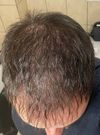
The user has been using finasteride for 6.5 years and oral minoxidil for 10 months, experiencing slight regrowth on the temples but still has a thin crown. They are considering trying RU58841 and a derma stamp/pen for further treatment.
A user shared their 4.5-month progress using oral finasteride and topical minoxidil for hair loss, noting some perceived improvement in the crown area. Other users encouraged them to continue the treatment.
The user switched from topical to oral finasteride, reduced their use of topical minoxidil, and started using XL hair serum with a mesogun injector. They are seeing hair regrowth even with a lowered dose of minoxidil and are considering oral minoxidil for the future.
The conversation discusses a user's 3.5-month experience using pyrilutamide and minoxidil for hair loss, with some perceived improvement in the temples but potential recent regression. Another user suggests that maintaining the current hairline, even without improvement, is positive.
A user shared their 3-month progress using finasteride, minoxidil, ketoconazole, dermaroller, coconut oil, and rosemary oil for hair loss. They reported improvements in their hairline and crown.
The conversation is a humorous take on using a mix of pumpkin seed oil, rosemary oil, peppermint oil, and castor oil for hair regrowth. Someone replied suggesting the results might be similar to someone named Walter.
Excessive scalp sebum, worsened by DHT, can lead to inflammation and hair loss, with clascoterone mentioned as a treatment. Diet changes seem ineffective for scalp sebum, and treatments like minoxidil and finasteride are suggested.
The conversation is about whether one can start with minoxidil and then switch to alternatives like rosemary oil or redensyl to maintain hair growth. The consensus is that alternatives like rosemary oil are ineffective.
A 23-year-old male has been experiencing hair loss since age 19 and has tried topical minoxidil, oral finasteride, and topical finasteride, but experienced side effects. He is considering oral minoxidil as a last resort and seeks recommendations.
The conversation humorously discusses hair loss treatments, specifically mentioning Minoxidil, finasteride, and RU58841. It highlights a funny brand name found on Amazon related to derma stamps.
A 24-year-old user shared their 12-month progress using 1mg oral finasteride and 5mg oral minoxidil for hair loss, reporting significant improvement after initially starting with 2.5mg minoxidil. They experienced no side effects and noted thicker eyelashes, with results becoming noticeable around the 9th or 10th month.
The conversation discusses hair loss treatments, specifically using rosemary oil and biotin hair oil. Users suggest that medication might be more effective than these oils.
Rosemary and peppermint oils are suggested as natural alternatives to minoxidil for hair growth, with added benefits for skin health. Some users report positive results, though there is debate about their effectiveness compared to minoxidil.
User asks about Redensyl as a substitute for Minoxidil due to side effects. Another user suggests trying Ordinary Hair Serum with dermarolling for improved hair quality.
The conclusion of this conversation about hair loss is that the user, y00sh420, tried various treatments including a $700 lllt helmet, topical minoxidil and finasteride, spectraDNC, and micro needling, but did not achieve the desired results. They have decided to stop trying until a cure for male pattern baldness is found. Other users expressed different opinions on hair loss treatments.
The user stopped using minoxidil due to side effects and is trying alternatives like vitamin D supplementation, scalp massages, cold showers, oil treatments, zinc shampoo, and dermarolling. They report improved scalp health and some new hair growth, despite skepticism from others about the effectiveness of these methods.
A new topical treatment, PP405, shows promising results for hair regrowth, potentially outperforming existing treatments like finasteride and minoxidil. However, it may still need to be combined with DHT blockers for optimal results, and its long-term effectiveness remains uncertain.
User discusses using low dose topical finasteride without minoxidil for hair loss. Another user shares their experience with homemade 0.025% finasteride topical, shedding, and microneedling.
A user's 10-month progress update using finasteride and minoxidil to treat hair loss, with other users offering congratulations, jokes, advice, and questions.
User shared a 10-month update on hair loss treatment using Minoxidil once daily, Finasteride 1mg daily, Biotin 10,000mcg, Nizoral every 2 days, Castor Oil occasionally, and a Power Laser Comb sometimes. The post includes progress pictures.
Rob English, known for promoting scalp massages for hair regrowth, now sells his own brand of finasteride and minoxidil. Opinions are mixed, with some calling him a charlatan and others acknowledging his shift towards scientifically-backed treatments.
The conversation is about a user trying a new hair loss treatment, Ruxolitinib, alongside their existing regimen of finasteride, minoxidil, ketoconazole shampoo, and microneedling. They plan to apply Ruxolitinib to their temples daily for 1-2 months.
The user has maintained their hair over 10 years using oral finasteride, oral and topical minoxidil, and other treatments like LLLT and ketoconazole. Despite starting hair loss at 17, they have largely preserved their hair, with some users suggesting a hair transplant for sparse areas.
L-Arginine and other vasodilators are discussed for hair health, with L-Arginine being less effective than topical treatments like Minoxidil. Topical sildenafil or Cialis are suggested as potentially effective treatments for hair regrowth.
The user is experiencing positive hair regrowth after two months of using oral finasteride (0.5 mg) and minoxidil (2.5 mg) and is considering a hair transplant. They are seeking advice on surgeons closer to the U.S. and discussing potential side effects and alternative treatments.
The user switched from Hims topical finasteride and minoxidil to Musely Hair Pill Bloom+, which includes minoxidil, dutasteride, and other vitamins, and noticed new hair growth but also experienced lower blood pressure. Another user ordered a minoxidil-only pill.