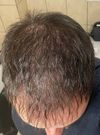
The user has been using finasteride for over a year without improvement and recently started oral minoxidil. Suggestions include trying dutasteride and continuing minoxidil for potential regrowth.
The user has been using 1.25 mg of oral minoxidil and finasteride since September 2025 to address diffuse hair thinning, and is considering trying a new shampoo. Other users suggest increasing the minoxidil dose and trying dutasteride.
A 26-year-old user shared their 3-month progress using oral finasteride and oral minoxidil for hair loss. They experienced side effects like reduced libido and brain fog at higher doses and adjusted their dosage to manage these effects.
The user is exploring alternatives to finasteride and dutasteride due to concerns about side effects, and is using rosemary and jojoba oil, ketoconazole, minoxidil, microneedling, multi-peptide serum, saw palmetto, and stinging nettle for hair loss. They are also considering CB 03 01 and spironolactone.
A user shared their 4.5-month progress using oral finasteride and topical minoxidil for hair loss, noting some perceived improvement in the crown area. Other users encouraged them to continue the treatment.
A user with seborrheic dermatitis and traction alopecia is seeking alternatives to minoxidil for hair loss, considering rosemary oil for its anti-inflammatory properties. They express concerns about potential side effects and effectiveness of various treatments, including rosemary oil, caffeine, and Redensyl.
A user shared their 3.5-month progress using oral finasteride, topical minoxidil, biotin, and weekly 1.5mm derma rolling. Another user commented that the original poster's hairline has improved significantly.
A user experienced significant hair improvement using oral finasteride for six months, adding microneedling and switching to non-sulfate shampoo. They managed side effects by working out and noticed no negative impact on libido.
The user uses finasteride, ketoconazole shampoo, and derma stamping for hair loss. They consider rosemary and castor oil as alternatives to minoxidil due to fewer side effects.
A 23-year-old male experienced hair thinning and side effects from finasteride and minoxidil. He found improvement in hair health and other symptoms by using mouth tape at night, suggesting better oxygen intake might help with hair loss.
The user has been using oral finasteride for two years and oral minoxidil for seven months to support hair regrowth. They are unsure about the progress due to inconsistent photo comparisons but note some minor side effects from finasteride.
Dutasteride and finasteride have similar risk profiles despite Dutasteride blocking more types of 5AR in the brain. Some users report no mood issues with either drug, and it is suggested that Dutasteride's larger molecular size may limit its ability to cross the blood-brain barrier.
A user's experience with hair loss and scalp inflammation, which was alleviated by using RU58841 along with finasteride and dutasteride. A theory of inflammation possibly being a cause of hairloss is also discussed.
Finasteride and oral minoxidil significantly improved hair texture and thickness over 8 months. The user also experienced increased hair growth on the beard and eyebrows.
The user switched from topical to oral finasteride and minoxidil, noticing thicker and longer baby hairs, suggesting potential regrowth at the temples. Other users agree it looks like a sign of success.
A user shared their 4-month progress using oral Minoxidil (3mg) and Finasteride (1.1mg) with a 0.5mm derma roller twice a week, noting visible improvement. Others congratulated and encouraged them to continue the treatment.
Experimenting with trestolone as a treatment for hair loss in an attempt to avoid DHT-related treatments such as finasteride and dutasteride, and discussing the potential effects of its receptor selectivity on the androgen receptors in the scalp.
A 44-year-old man has been using finasteride 1mg daily and minoxidil 5% foam for 19 months to address hair loss, with mixed results and continued shedding. Suggestions include trying oral minoxidil, microneedling, and possibly a hair transplant for better cosmetic density.
The post and conversation are about the user's experience with oral minoxidil for hair loss. Some users noticed increased hair density, while others experienced unwanted hair growth in different areas of the body.
The conversation is about individuals sharing their experiences with hair regrowth after using oral minoxidil and finasteride for a year. Some users report similar hair types and improvements, while one asks about dosage.
The user has been taking oral minoxidil, dutasteride, and biotin for 3 months and noticed changes in hair texture, suggesting potential regrowth or stabilization. Baby hairs and increased hair density are seen as positive signs.
Microneedling can still be beneficial when using oral finasteride and minoxidil, with a recommended needle length of 0.5mm to 1.0mm. A stamp or pen is preferred over a roller for microneedling.
A user shared their 4-month hair regrowth progress using oral finasteride and topical minoxidil, reporting no side effects and positive feedback on their appearance. The post sparked debate, with many users doubting the authenticity of the photos, while others congratulated the user on their impressive results.
Pelage PP405 is a new hair loss treatment in trials, potentially reactivating dormant hair follicles without affecting hormones. Results are expected in February 2025, offering an alternative to minoxidil and finasteride.
A potential non-invasive topical treatment targeting the WNT Signaling Pathway for hair regeneration is being researched, with positive results on human hair follicle cells. Current effective treatments for hair loss include Minoxidil, finasteride, and hair transplantation.
A 47-year-old male experienced mixed results with hair loss treatments using finasteride and oral minoxidil. After reducing dosages and adding creatine, he noticed shedding, but switching back to higher doses and changing to pea protein may help regain progress.
A satirical post where someone claims to have developed a radioactive isotope scalp serum using Polonium-210 that outperforms Minoxidil and finasteride for hair regrowth. The serum reportedly stimulates DNA repair in hair follicles, leading to significant hair density increase, but the post is met with skepticism and concerns about safety.
The conversation discusses using 0.1% Alfatradiol compounded by a pharmacy for hair loss treatment. It also mentions Minoxidil, finasteride, and RU58841 as other treatments.
The conclusion of the conversation is that the user "lemmeseesomeass" has experienced significant hair regrowth using a combination of RU58841, dutasteride, and minoxidil. They mention that RU58841 is effective but not medically approved. They provide instructions on how they use RU58841.
The conversation humorously discusses the use of pp405 for hair loss, with mentions of finasteride and minoxidil. Users joke about unusual side effects like growing extra body parts.