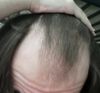
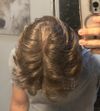
miR-205, a tiny RNA, can stimulate hair growth by softening aging hair follicle stem cells in mice. Future tests aim to see if this can work in humans.
PP405 is a new hair loss treatment targeting dormant hair follicles, with ongoing trials. Some users consider stopping finasteride and minoxidil to join trials, while others doubt its effectiveness.
The conversation discusses the removal of Breezula phase II 12-month results by Cassiopea and the search for the original data. Concerns were raised about potential negative long-term effects on hair growth, such as androgen receptor upregulation.
Finasteride can increase estrogen levels, causing dizziness and nausea. Users discuss adjusting treatment and diet, and explore alternatives for hair loss management.
An 18-year-old is experiencing positive hair regrowth results using 2.5mg minoxidil, 0.5mg finasteride daily, and dermarolling twice a week. They are satisfied with the progress and hope for continued improvement.
Excessive sugar consumption may contribute to male pattern hair loss by increasing androgen sensitivity and insulin resistance, but genetics play a significant role. Treatments like minoxidil and finasteride are suggested for managing hair loss, while reducing sugar intake and maintaining a healthy lifestyle may help mitigate its progression.
The user reports hair improvement and healthier scalp after 8 months of using finasteride, oral minoxidil, and a topical minoxidil/finasteride spray. Others congratulate the user on noticeable regrowth.
The conversation discusses hair loss treatments, specifically Minoxidil, finasteride, and RU58841. The user seeks input from medical professionals and scientists on these treatments.
The user is trying Hair + Me's 5% minoxidil and 0.1% finasteride topical, which has a different carrier and pleasant smell compared to traditional alcohol-based formulas. They are seeking feedback on its effectiveness compared to classic formulas.
Hair loss discussion includes treatments Minoxidil, Finasteride, and RU58841. HMI 115 shows anecdotal success in Phase I trial, users seek group buy for research chemical.
The user reported positive results after one month of using oral Minoxidil and Finasteride, along with Nioxin shampoo and liquid collagen. Some users expressed skepticism about the results, attributing them to lighting differences, while others discussed potential side effects and benefits of these treatments.
Hair regrowth treatment involving 3aHSD enzyme shows 6% improvement in 18 weeks. Sulforaphane, L-Menthol, and Dexpanthenol are potential ingredients for new hair loss solution.
RU58841 stopped scalp itching for the user, providing relief from persistent itchiness associated with hair loss. Some users reported side effects like chest pain, while others found relief with different treatments like mometasone.
Increasing the sult1a1 enzyme on the scalp may improve response to topical minoxidil. The user suggests using a baking soda solution, DMSO, and tretinoin to enhance enzyme activity and minoxidil effectiveness.
Minoxidil and finasteride are effective for hair loss, but natural oils like pumpkin seed oil and saw palmetto are not proven to be effective. Topical finasteride may be an option for those who cannot tolerate oral finasteride.
Scalp massages and natural methods alone are ineffective for treating hair loss. Effective treatments include using minoxidil and finasteride, with scalp massages as a supplementary aid.
The conversation discusses hair loss treatments for a woman experiencing androgenetic alopecia and seborrheic dermatitis, with suggestions including low-dose oral minoxidil, dutasteride, and hormone replacement therapy. The user is seeking advice due to intolerance to spironolactone and topical minoxidil, and concerns about low testosterone and DHT levels.
Excessive sugar and high-fat diets are linked to male pattern hair loss, with sweet beverages being a significant factor. Moderation in diet is advised, as diet alone may not fully prevent hair loss due to other factors like DHT sensitivity.
Finasteride stopped scalp itching and improved hair health, likely due to reduced DHT. Users discussed the relationship between DHT, itching, and hair loss, with some mentioning minoxidil and antifungal treatments like ketoconazole.
Discussion on hair loss treatments, focusing on pp405, with skepticism about its effectiveness and concerns about its association with the cosmetic industry. Users also mention treatments like Minoxidil and Finasteride.
A user with diffuse thinning experienced no hair regrowth with finasteride or Avodart but slowed hair loss with Avodart. They are considering trying Minoxidil and are seeking advice on whether to use foam or liquid, and if combining it with other treatments could be beneficial, excluding micro-needling due to scalp irritation concerns.
The conversation is about a potential new hair loss treatment called Breezula CB-03-01. Users are discussing updates on its development and sharing personal experiences with making or using it.
The conversation is about a user's progress with hair regrowth using oral minoxidil and finasteride over two years. The user experienced significant improvement without side effects, except for increased libido, and plans to continue treatment.
The user is experiencing hair thinning and loss at the temples, likely due to androgenetic alopecia. Suggested treatments include finasteride and minoxidil to slow hair loss and promote regrowth, with buzzing hair short as a styling option.
A 45-year-old male experienced significant hair regrowth and thicker eyebrows and eyelashes after five months of using oral finasteride (1.2mg) and minoxidil (3mg), despite initial side effects. He noticed improvements within the first month and reported minimal shedding, with the treatment being more effective than topical solutions.
This post and conversation are about using receipt paper as a satirical treatment for hair loss. Users humorously discuss various absurd methods, including rubbing, ingesting, and making suppositories out of receipts.
The user is experiencing hair thinning and shedding despite no family history of male pattern baldness. They are considering starting treatments like Minoxidil or finasteride.
Poor diet and lifestyle contribute to male pattern baldness. Treatments like Minoxidil, dietary changes, and lifestyle adjustments may help slow hair loss.
Hair loss is worsening despite using finasteride, oral minoxidil, and rosemary oil, possibly due to stress, hormone changes, and environmental factors. Improvement was noted with a soft water filter, but recent stress may have exacerbated the issue.
A 47-year-old male experienced significant hair regrowth over six months using 1mg oral finasteride, 5mg oral minoxidil, and 1ml 5% topical minoxidil, along with weekly derm stamping. He reported no major side effects, improved prostate health, and increased vascularity, with hair texture changes and minor nasal congestion.