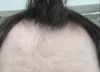
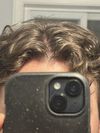
A 24-year-old male is concerned about hair loss, possibly at Norwood stage 3 to 5, and has started using Minoxidil, shampoo, and hair fibers, while planning to get finasteride. He is worried about the shedding process affecting his progress.
The user discusses using Follics FR5, FR10, and FR15, which combine Minoxidil, Adenosine, Procapil, Azelaic acid, and Procyanidin B2, to address hair loss. They have previously used Minoxidil, Finasteride, and Dutasteride with varying success.
A user recommends using a microscope to assess hair density and track hair loss progress, finding it useful for evaluating treatment effectiveness, particularly with dutasteride and minoxidil. They advise against obsessing over hair loss and emphasize focusing on other meaningful life aspects.
The user shared their 3-month hair progress using oral dutasteride, oral and topical minoxidil, and dermastamping, reporting positive results. They use 2% Nizoral shampoo and have not experienced any side effects like changes in libido.
The user has been on finasteride for over two years, experiencing early hair regrowth, acne, and scalp sensitivity, but now faces thinning hair and questions about dosage and long-term effectiveness. They also used retinal to help with acne and are seeking advice on whether to adjust their finasteride dose.
The conversation is about a user considering joining a clinical study for Clascoterone (Breezula) after experiencing no results with topical finasteride and minoxidil, and side effects from oral finasteride. The user is seeking advice on clinical study participation and experiences.
PP405 is being discussed as a potential hair loss treatment, possibly more effective than minoxidil. There are concerns about its effectiveness and product contamination, but some users report early signs of hair regrowth.
The conversation discusses using 1% cetirizine, an antihistamine, as a potential treatment for androgenetic alopecia (hair loss). One user plans to try cetirizine instead of finasteride, while others are curious or skeptical about its effectiveness, discussing the role of inflammation in hair loss.
The user experienced significant hair regrowth over three months using 1.25mg oral finasteride, 5mg oral minoxidil, and weekly dermarolling. Initial side effects included mood swings, but these stabilized over time.
User reports five months progress on finasteride and oral minoxidil, with thicker hair and no visible scalp. Started at 2.50mg and increased to 10mg without side effects.
Hair loss treatments, specifically Minoxidil and the tap method; Finasteride was also discussed but not recommended due to its side effects. Price and other information were requested.
The user has been using Minoxidil for over 10 years, started Finasteride 8 months ago, and is happy with the hair recovery results; they also use a 1.5mm dermaroller weekly and a 0.5mm occasionally. Some believe starting with Minoxidil is less effective than addressing DHT directly, and there's curiosity about whether dermarolling aids absorption.
After 2 years of using finasteride and minoxidil with good results, the user is experiencing severe scalp itchiness, shedding, and tenderness. Despite dermatologists finding nothing wrong, the user seeks over-the-counter treatments for the itch.
The insecurity people feel when going to the barber for a haircut due to visible hair loss. Replies include encouragement, advice such as looking for more understanding barbers and female hairdressers, as well as suggestions of trying at-home haircuts or using treatments like minoxidil, finasteride, and RU58841.
The conversation discusses a hair loss treatment routine involving daily minoxidil, finasteride, micro-needling, rosemary oil, and biotin supplements. The user shares personal experiences, noting no side effects from finasteride and emphasizing the importance of a healthy lifestyle in preventing hair loss.
An 18-year-old male with a family history of baldness started using 5% minoxidil and 0.01% finasteride spray for hair loss. Suggestions included getting a blood test, considering oral dutasteride, and trying oral minoxidil.
The user is considering changing their hair loss treatment from topical minoxidil and oral finasteride to oral minoxidil and oral dutasteride, with suggestions to add microneedling and possibly red light therapy. They are also exploring the addition of a caffeine and adenosine mix to their regimen.
The user visited a trichologist due to ineffective topical finasteride treatment for hair loss. The trichologist recommended a new regimen including a two-month course of locoidon (cortisone 0.1%), followed by a solution containing minoxidil, hydrocortisone butirrate, estrone, progesterone, tocopherol acetate, trichosol, and transcutol.
A user with seborrheic dermatitis is experiencing bald spots and hair thinning despite changing their diet and taking oral minoxidil. Another user suggests using ketoconazole shampoo properly, using a scalp massager, applying rosemary/peppermint oil, keeping hair short, and taking fish oil to improve scalp health.
The conversation discusses using topical finasteride with propylene glycol, which causes scalp dryness or dandruff. The user also uses Nizoral, Nioxin, and DHT oil, and considers using a scalp conditioner to alleviate dryness.
The conversation discusses whether to use finasteride for hair loss, considering its role in inhibiting DHT and 5AR, which can affect brain function and mood. Some users report anxiety and depression from finasteride, while others do not experience these side effects and emphasize the importance of DHT for brain and prostate health.
A user experienced severe scalp itching with MPB and found Nizoral ineffective. A doctor diagnosed seborrheic eczema and prescribed Betacap, which relieved the itching.
Switching from finasteride to dutasteride and adding oral minoxidil improved hair growth. A healthier lifestyle, including quitting smoking and better diet, also contributed to the progress.
The user is seeking opinions on whether their hairline changes indicate regrowth or hair loss, using treatments like Rogaine, finasteride, microneedling, and Nizoral. They mention inconsistent finasteride use, scalp massages, and lifestyle factors like caffeine, nicotine, stress, and high sugar intake.
The conversation discusses Fevipiprant, an asthma drug that may block CRTH2 and potentially stop male pattern baldness (MPB) without inhibiting DHT. It also mentions the use of finasteride and dutasteride for hair loss.
The user is concerned about whether their hair styling is causing thinning or if it's natural. They are considering treatments like Minoxidil, finasteride, or RU58841 for hair loss.
The user is attempting to regrow hair using natural methods like microneedling, rosemary oil, and capsaicin tincture, avoiding medications like finasteride and minoxidil due to past health issues. Feedback suggests these methods are ineffective, with many recommending shaving or considering a hair system instead.