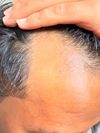
User shared 13 months of progress using finasteride, microneedling, vitamins, and scalp care, and recently started stemoxydine. The post includes before and after photos.
Alfatradiol (0.025%) is an effective and safe treatment for androgenetic alopecia in both men and women, increasing anagen hair rates with minimal side effects. Users discuss its cost-effectiveness and ease of use compared to other treatments like finasteride and RU58841, with some combining it with stemoxydine and Minoxidil.
The user found success in treating hair loss by using a derm stamp with castor oil, vitamin E oil, and rosemary oil, alongside finasteride. The derm stamp, used every other day at 0.5 mm, significantly improved hair thickness and growth.
PP405 updates are seen as vague and lacking substance, causing frustration among users. Some users report positive effects from using minoxidil and dutasteride, while others remain skeptical about new treatments.
Peppermint oil at 3% was found to improve hair growth more effectively than Minoxidil. The user is also using a topical caffeine hair growth oil and making their own peppermint solution to combat hair thinning.
Rosemary extract showed high inhibitory activity against DHT, similar to finasteride and dutasteride, but the conversation includes skepticism about its effectiveness in humans since the study was done on mice and rosemary oil is often considered ineffective based on personal experiences. Some suggest trying rosemary oil alongside other treatments, while others emphasize the difference between the extract used in the study and the oil.
The user has been using a regimen including finasteride, minoxidil, various oils, and supplements for hair regrowth over 9–10 months. They observed fine hairs returning and a change in scalp texture after adding cinnamon oil, questioning if this change is a positive sign.
PP405 is a potential hair loss treatment that inhibits mitochondrial pyruvate carriers, increasing lactate dehydrogenase activity and stimulating hair follicle stem cells. In a phase 1 trial, 31% of participants showed over 20% hair density increase with PP405 treatment.
The conversation discusses using essential oils like rosemary, peppermint, pumpkin seed, jojoba, and possibly saw palmetto for hair regrowth. It invites users to share their mixes and routines for these treatments.
Hair loss discussion includes alfatradiol (Pantostin/Ell Cranell) as a potential treatment. Users share opinions on its effectiveness in their regimen.
The user experienced scalp irritation from a Finasteride and Minoxidil spray and serum. They are considering switching to foam, oral treatments, or another provider.
A 23-year-old experiencing diffuse hair thinning has chosen a treatment stack including topical finasteride, a blend of rosemary, peppermint, and pumpkin seed oils, procyanidine B2 spray, ketoconazole shampoo, and scalp massages. They avoid minoxidil due to family history of side effects and oral finasteride due to high estrogen levels.
The conversation discusses hair regrowth strategies, including using dutasteride, minoxidil, finasteride, dermastamping, soy, curcumin, and possibly castor oil. Suggestions also include increasing dutasteride dosage, using oral minoxidil, topical finasteride, and tretinoin to enhance minoxidil efficacy.
A sugar gel has been found to aid hair regrowth, similar to minoxidil, and may improve blood supply to hair follicles. Some users report success with homemade versions, though side effects like dizziness have been noted.
Jordan-Iliad has been using a combination of finasteride, minoxidil, stemoxydine, microneedling, saw palmetto, peppermint and jojoba oils, ketoconazole shampoo, and Purador shampoo/conditioner for 3 months to treat their hair loss with stunning results. They have also recently started taking oral minoxidil 1.25mg/day in hopes of achieving even better results over the next 3 months.
A 33-year-old man using finasteride, minoxidil, thickening shampoo, conditioner, and Nizoral noticed peach fuzz after a month and is hopeful for regrowth. Others shared mixed experiences, with some seeing further growth and others not.
The user is experiencing scalp irritation after increasing their finasteride and minoxidil dosage with tretinoin and is considering reducing application frequency. They seek advice on managing the irritation.
A user buzzed their hair and noticed many thin hairs on their scalp, which they believe are new growth from using finasteride for 4 months and minoxidil for 2 months. They are hopeful for more improvement in the coming months.
User experienced bad reaction to minoxidil and asks if anyone tried stemoxydine alone for hair loss. They consider trying stemoxydine with low dose topical finasteride after testing stemoxydine on a small area.
A user shared their excitement about hair regrowth after using minoxidil, finasteride, biotin, rosemary oil, and derma-stamping for four months. They reported no noticeable side effects from finasteride and use oral finasteride and topical minoxidil.
A user switched from topical to oral finasteride and is seeking additional topical treatments for hair growth besides minoxidil. They are aware of stemoxydine and caffeine solutions and are asking for more recommendations.
The user shared progress photos showing significant hair regrowth over two months using finasteride, minoxidil, derma stamping, and mint and rosemary oil. Some users doubted the authenticity of the results, while others congratulated the user on the noticeable improvement.
The conversation is about a user seeking information on a clinical trial by Amplifica - Scube3 for Androgenetic Alopecia (AGA). The user is unsure if it's a formal phase 1 study.
HMI-115, a newly discovered hair loss treatment that could potentially be effective for those with diffuse thinning and telogen effluvium. It is based on prolactin receptor antagonist signaling and has already undergone Phase I trials in women, with potential commercialization by 2027.
The user is experiencing scalp irritation from using tretinoin and alcohol-based hair loss treatments like stemoxydine. They find that Aquaphor helps with the pain but is difficult to apply in hairy areas.
Minoxidil sulfate is considered for those unresponsive to regular minoxidil, with some trying a 10% formulation from Folligenz. Concerns exist about the product's stability and transparency, but some users report positive initial results.
The user is using a solution of 5% minoxidil and 0.1% finasteride with micro-needling and is considering adding 1mg oral finasteride. They notice small hairs on their forehead and are questioning if these indicate potential regrowth.
The user started using 5 mg oral minoxidil and 1 mg finasteride daily, along with microneedling and applying lavender oil, saw palmetto, and pumpkin seed oil to the scalp. They report significant hair regrowth within a few months.