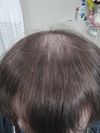
Female with aga tried minoxidil 5% and spironolactone, no success yet. Gladyator96 suggests waiting 6 months, adding tretinoin or dermarolling with minoxidil.
A 34-year-old male started using 0.5mg finasteride daily and switched from topical to 2.5mg oral minoxidil two weeks ago. He noticed his hair looks thinner without noticeable shedding and is concerned about diffuse thinning.
A young woman with genetically thin hair is stressed and embarrassed, seeking advice. Suggestions include seeing a dermatologist, using spironolactone, and minoxidil for hair regrowth.
The user "Popular-Special-856" shared their progress pictures of hair regrowth using minoxidil and finasteride, along with dermarolling. The results were significant, especially with minoxidil, and the user regrets not starting finasteride earlier.
A 19-year-old experiencing hair loss despite using minoxidil and finasteride for three months, with no family history of baldness except for maternal grandfather. The user is advised to continue the treatment for Androgenic Alopecia and not rely on home remedies.
The user experienced no improvement in hair loss after using a dermatologist's minoxidil 10% and finasteride 0.1% solution, clotrimazole, daily dermarolling, and multivitamins. They plan to switch to oral finasteride and reduce dermarolling to once a week.
A 25-year-old experiencing hair thinning all over the body and head, despite using minoxidil and having low vitamin D levels, is advised to seek a second opinion from a dermatologist specializing in hair loss. The likely diagnosis is diffuse alopecia areata, which may require treatment with a JAK inhibitor.
A 20-year-old FTM individual started finasteride for hair loss with initial success but experienced increased shedding after 7 months. They are considering oral minoxidil as advised by their doctor to address the worsening hair loss.
The clinic diagnosed the user with NW3 and AGA, noting thinning hair despite using finasteride for 3 years, and suggested PRP and Mesotherapy before considering a transplant. The user questions the necessity of these treatments without confirming retrograde alopecia and its treatability.
The user is experiencing severe hair loss and color change despite low testosterone levels and healthy lifestyle changes. They have tried ketoconazole shampoo and consulted a dermatologist, who found no scalp issues but suggested using Toppik for coverage.
The user has been taking 0.5 finasteride for 10 months and wants to repeat blood tests, including estradiol. However, their doctor is reluctant to test estradiol, arguing it's typically low in men, and the user is considering seeking a second opinion.
The user shared their hair loss treatment routine, which includes caffeine shampoo, The Ordinary Hair Serum, red light therapy, topical finasteride, topical minoxidil, Nizoral shampoo, and dermarolling. They previously used oral finasteride but stopped due to travel, resulting in rapid hair loss.
The conversation is about a user experiencing hair shedding after switching from finasteride to dutasteride and increasing their oral minoxidil dose. The user is advised to continue with the current treatment, consider adding topical minoxidil, and consult a dermatologist for potential underlying issues.
A user in their early 20s is concerned about minor hair thinning and is considering a hair loss regimen involving PRP sessions, mesotherapy with dutasteride injections, and low-dose finasteride. They dislike minoxidil due to its greasiness and prefer a routine that is easy to maintain.
A 20-year-old has seen no improvement in hair loss after 8 months using finasteride, minoxidil, topical solutions, and microneedling. They express frustration and a loss of confidence due to the lack of results.
The conversation discusses a 24-year-old Korean man's progress with hair loss treatments over 8-9 months, with specific treatments not mentioned due to redacted information. Users are commenting on the effectiveness and inquiring if Asians have better results with hair loss treatments.
An 18-year-old with diffuse hair thinning is considering switching from a topical Minoxidil 10% + Finasteride 0.1% solution to Minoxidil 5% foam and oral Finasteride 0.5mg, while also addressing vitamin D deficiency and potential scalp inflammation. Users suggest using Nizoral shampoo for inflammation, considering dutasteride for better results, and maintaining vitamin D levels to protect hair follicles from DHT.
A 21-year-old male diagnosed with telogen effluvium and male pattern baldness started oral finasteride, which initially slowed hair loss and slightly thickened hair, but experienced increased shedding after surgery. The doctor recommended iron and vitamin D supplements, and the user is seeking additional advice.
The user is concerned about losing over 100 hairs in the shower and wonders if it's normal due to not brushing daily, stress, surgery, and PRP treatments. They are using minoxidil, spironolactone, iron, vitamin D, a multivitamin, pumpkin seed oil, and saw palmetto.
The user experienced a receding hairline and tried minoxidil, which may have slowed the process but caused puffy eyes. They are hesitant to use finasteride and suspect oily dandruff might be an aggravator.
The user is concerned about having a straight, low hairline after a hair transplant and is unable to take finasteride due to high estrogen and prolactin levels. They have used minoxidil with limited success and are considering further transplants to lower the hairline, while others suggest the risks of using up donor hair too quickly.
Hair loss user increased oral minoxidil dose, causing more shedding. Uses 1mg finasteride, Lonitab, and Stemoxydine 5%, expects denser hair in a few months.
A user suspects low iron might be causing hair loss and plans to get tested. They doubt low iron is the issue due to a balanced diet but want to rule it out.
A 24-year-old person who is worried about their hair loss after 14 months of taking finasteride and 11 months of minoxidil. Replies to the post suggested sticking with their current regimen, that shedding from one part may not be telogen effluvium, and that shedding is normal with these drugs and they should evaluate in two to three months.
Oleic acid and microneedling are being explored for hair regrowth, but results are mixed. Addressing DHT and fibrosis is crucial, with treatments like finasteride, minoxidil, and scalp massage also discussed.
Controlling insulin levels through intermittent fasting and a low glycemic diet may improve hair quality by reducing androgens. It's important to maintain proper nutrition, including electrolytes and protein, during fasting.
A 28-year-old woman is struggling with Female Pattern Baldness and has tried various treatments, including Minoxidil and Spironolactone, without success. She feels frustrated with doctors' responses and is considering alternative treatments like light therapy but is losing hope in finding a solution.
The user has experienced a 9-month cycle of heavy shedding followed by 9 months of no shedding while on Finasteride for three years. They also use Spironolactone and oral Minoxidil but haven't noticed these affecting the shedding cycle.