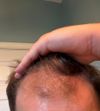
27F with androgenic alopecia since 17 seeks treatment. Tried spironolactone, caused low blood pressure; believes finasteride is safer and wants to try it.
An 18-year-old male using minoxidil and finasteride is experiencing increased hair loss, possibly due to a shedding phase from finasteride. He also takes zinc, magnesium, calcium, and vitamin C, and is concerned about hair loss from his temples.
The user is experiencing hair loss, possibly due to androgenic alopecia or telogen effluvium, and is considering treatments like Minoxidil, Finasteride, or RU58841. They also mention potential iron deficiency and sleep deprivation as contributing factors.
The user has been experiencing diffuse hair thinning despite using finasteride, minoxidil, dermarolling, clobetasol cream, and PRP sessions. They seek advice on additional treatments and are advised to check vitamin D, iron, and thyroid levels.
The user is experiencing severe hair shedding after using RU58841, stemoxydine, and minoxidil, and has stopped using finasteride due to side effects. They hope the shedding is temporary and will lead to regrowth.
Aminexil/Kopexil may help reduce hair loss by addressing perifollicular fibrosis in androgenetic alopecia, but it lacks the extensive clinical backing of finasteride and minoxidil. Some users find it effective, but availability and cost are issues, especially in the US where it's not FDA-approved.
Spironolactone and finasteride are not recommended for women planning pregnancy due to birth defect risks. Both need to be stopped months before conception, and finasteride is generally not advised for women.
A female, aged 17-18, is experiencing significant hair loss, feeling hopeless despite trying various treatments like leave-in conditioners, omega-3s, supplements, sulfate-free shampoo, and biotin. She is distressed as her hair continues to thin, affecting her body image and self-esteem.
A user successfully managed finasteride-induced gyno symptoms by making lifestyle changes, including fasting, avoiding soy, and increasing cardio. They resumed finasteride with a lower dose combined with minoxidil and P7 vitamins without recurrence of symptoms.
The user experienced a sudden and severe hair loss after 1.5 years of successful treatment with finasteride and minoxidil. They plan to check their thyroid and vitamin D levels as potential causes.
A 25-year-old male experienced hair loss after taking breaks from oral dutasteride and minoxidil, leading to concerns about losing progress. He is advised to remain consistent with his current regimen and avoid adding spironolactone.
A user is experiencing facial bloating from low-dose topical finasteride due to high estradiol levels and is seeking advice on using DIM to manage this issue, including dosage and brand recommendations.
Missing one day of finasteride is humorously discussed, with suggestions to use additional treatments like dutasteride, RU58841, minoxidil, and microneedling. Some users jokingly suggest shaving the head or traveling for hair restoration.
A user has been experiencing hair loss for 4 years, with treatments like minoxidil, finasteride, and various supplements proving ineffective. They were diagnosed with fibrosing alopecia in a pattern distribution, a condition that may require a combination of anti-inflammatory and hair growth treatments.
A 29-year-old male experiencing hair loss started using oral minoxidil and finasteride three months ago, along with keto shampoo, and notices slight progress despite inconsistent use. He plans to continue this regimen for a year.
A 19-year-old transgender individual is experiencing worsening temple recession despite taking female hormones and 1.25mg finasteride. They are seeking advice on additional treatments to address hair loss.
The user started oral finasteride and minoxidil for hair thinning but noticed increased hair shedding after three weeks. They are concerned and seeking advice on coping with this side effect.
The user experienced significant hair regrowth using topical finasteride/minoxidil and oral minoxidil/dutasteride, with some mild side effects that diminished over time. They plan to add microneedling to their regimen and have seen hair shedding cycles every six months, followed by thicker regrowth.
User reports worsening hair loss despite using Avodart 0.5mg daily and 2ml of Minoxidil daily for over three years. They maintain a healthy lifestyle and are athletic.
The conversation discusses hair loss treatments for a woman experiencing androgenetic alopecia and seborrheic dermatitis, with suggestions including low-dose oral minoxidil, dutasteride, and hormone replacement therapy. The user is seeking advice due to intolerance to spironolactone and topical minoxidil, and concerns about low testosterone and DHT levels.
A 23-year-old male used 1.25mg finasteride every other day for 10 months without minoxidil, noticing results at the 4-month mark and experiencing a minor shed at the 8-month mark. He also added Nizoral to his routine and reported no side effects, maintaining consistent use at 7:00 PM.
A woman experiencing hormonal hair loss is on dutasteride and bicalutamide, which initially improved her hair, but she is now experiencing a second shedding phase with significant short hair loss. Despite normal hormone levels and no deficiencies, she is unsure if this shedding is normal and seeks advice.
A 21-year-old male with a thyroid condition noticed his hair thinning uniformly without a receding hairline. He is considering using a 5ARI to prevent further baldness if he starts TRT.
The user is experiencing hair shedding after using oral finasteride and topical minoxidil, questioning if this is normal. They are concerned about thinning at the hairline despite using these treatments.
The user has been taking 0.5 finasteride for 10 months and wants to repeat blood tests, including estradiol. However, their doctor is reluctant to test estradiol, arguing it's typically low in men, and the user is considering seeking a second opinion.
User is experiencing hair thinning and sebum overproduction after starting finasteride and a hair growth supplement containing biotin, iron, zinc, and calcium. They suspect the finasteride might be fake but have noticed a side effect of watery semen.
PP405 is ineffective for miniaturized, fibrosed hair follicles in androgenetic alopecia. AMP303 may activate hair follicle stem cells, but minoxidil and finasteride are still the main treatments.
A user experienced puffy nipples and lumps from finasteride, leading to a dilemma between continuing treatment with potential surgery or accepting hair loss. They restarted finasteride at a lower dose with supplements but still face side effects and are seeking advice on whether to persist or stop.
Amino acids like lysine, methionine, and cysteine may help with androgenetic alopecia when taken in high doses along with a DHT blocker. Users discuss combining these with treatments like Minoxidil, finasteride, and RU58841.
Dutasteride and oral minoxidil are not effectively stopping hair loss for the user, despite trying various treatments including ketoconazole shampoo. Suggestions include increasing dosages, considering alternative treatments, and consulting a doctor.