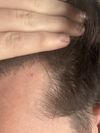
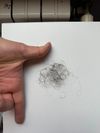
The user experienced increased hair shedding after using RU58841, despite initial improvements in scalp condition and appearance. They are considering stopping RU58841 to see if shedding decreases.
Orsobalorso took 2.5mg oral minoxidil daily for a year but saw little improvement and stopped due to potential side effects and cost. They also tried finasteride, dutasteride, dermarolling, RU58841, keto, alfatradiol, and stemoxydine, with mild improvement from finasteride.
A user is experiencing uneven hair thinning and has tried topical minoxidil without success and finasteride with adverse effects. They are considering microneedling and PRP treatments while avoiding finasteride, and another user suggests trying dutasteride as an alternative.
The user switched from topical to oral Minoxidil and is experiencing hair shedding without significant regrowth, despite using Finasteride and Dutasteride. They are considering whether their body isn't responding to oral Minoxidil and are exploring options like dermarolling.
A 22-year-old male experiencing hair loss suspects androgenetic alopecia (AGA) and possibly telogen effluvium (TE), with a noted improvement in scalp itch after adopting a gluten-free diet. He is advised to consider treatments like finasteride or minoxidil and to check iron and ferritin levels.
User reports worsening hair loss despite using Avodart 0.5mg daily and 2ml of Minoxidil daily for over three years. They maintain a healthy lifestyle and are athletic.
PP405 is ineffective for miniaturized, fibrosed hair follicles in androgenetic alopecia. AMP303 may activate hair follicle stem cells, but minoxidil and finasteride are still the main treatments.
The user is applying topical finasteride with stemoxydine for hair loss and has noticed hair thickening but no regrowth after two months. They also report high SHBG and prolactin levels and a lack of morning erections, even on low doses of medication.
The user switched from oral minoxidil to topical minoxidil and added JXL-069/PP405-3HP, along with topical dutasteride, melatonin, and tretinoin. They also use low-level laser therapy (LLLT) but doubt its effectiveness.
A user shared their experience with microneedling and minoxidil for hair loss, avoiding finasteride due to concerns about systemic hormone effects. They reported slight hair regrowth after one month and plan to continue the regimen, noting improvements in skin sensitivity and managing dandruff with anti-dandruff shampoo.
The user is trying a new hair loss regimen including Spirolactone, Finasteride, oral Minoxidil, microneedling, and various supplements. They are experiencing increased shedding and seeking advice on microneedling and treatment effectiveness.
The user is experiencing intense hair shedding all over the scalp after applying pyrilutamide to the hairline and taking oral castor oil. They are also using topical finasteride and latanoprost, but are unsure which treatment is causing the shedding.
A 20-year-old male experiencing hair loss since age 17 has been using 1mg finasteride for four months and inconsistently used 5% topical minoxidil for three months. He is experiencing increased shedding and questions whether it's due to stopping minoxidil or if finasteride is ineffective.
The user is experiencing hair loss with symptoms of receding hairline, extreme shedding, and low density, possibly due to androgenic alopecia, diffuse thinning, retrograde alopecia, or telogen effluvium. They have used minoxidil and noticed changes in shedding patterns related to different water qualities and seborrheic dermatitis.
A 26 year old female diagnosed with androgenetic alopecia who is interested in treatments such as spironolactone, finasteride and Minoxidil to help her hair loss but is worried about side effects like muscle gain, sex drive and effectiveness.

A 33-year-old man shared his 9-month journey using minoxidil for hair loss, experiencing significant shedding after initial success. He is considering adding finasteride but is hesitant due to trying to conceive.
The user experiences significant hair shedding during seasonal changes while using oral minoxidil 2.5mg and finasteride 1mg daily. They question if shedding miniaturized hairs is normal or if a stronger treatment is needed.
The conversation discusses severe hair shedding and thinning, with the original poster using finasteride, oral minoxidil, and other supplements without improvement. The discussion highlights the possibility of telogen effluvium and the importance of addressing potential underlying health issues, such as stress and gut health, rather than assuming diffuse unpatterned alopecia (DUPA).
The user has been on oral Dutasteride and Minoxidil for 16 months but continues to experience hair miniaturization. They previously used oral Finasteride and topical Minoxidil with success for 7 years and are now seeking advice on whether to switch back to topicals, adjust dosages, or consider other treatments like topical anti-androgens or Estradiol.
How androgens, including testosterone, can cause hair follicles to miniaturize in people with sensitivity to androgens, and treatments such as finasteride, dutasteride, minoxidil, RU58841, or fluridil may be used in combination for long-term treatment.
The conversation is about hair regrowth using micro-needling, RU58841, oral and topical minoxidil, ketoconazole shampoo, and dutasteride. Users suggest that noticeable results take longer than two weeks, though one user mentions seeing baby hairs.
A user experienced telogen effluvium due to stress and was prescribed oral minoxidil and spironolactone, which initially worked. After stopping and restarting minoxidil, they experienced shedding but saw regrowth after discontinuing it again.
The user noticed small circular hairless spots after a buzz cut and has been using finasteride, dutasteride, and oral minoxidil for hair loss. They are experiencing continuous shedding and thinning, and it is suggested they consult a dermatologist for a scalp examination and possible biopsy to determine if it's alopecia areata or androgenetic alopecia.
The user started oral finasteride and minoxidil for hair thinning but noticed increased hair shedding after three weeks. They are concerned and seeking advice on coping with this side effect.
The user is experiencing severe hair loss, possibly due to telogen effluvium, after stress, poor nutrition, and hormonal changes. They are using Nizoral and supplements but are considering hormonal treatments like spironolactone despite previous side effects.
The user experienced initial regrowth with finasteride and minoxidil but is now facing increased hair thinning, possibly due to a second shedding phase. They are considering increasing finasteride dosage or adding dutasteride, despite availability issues, and have started microneedling.
The post discusses a user's hair loss treatment involving Dutasteride 2.5 mg 5 times per week, Finasteride 1mg 4 times per week, RU58841 daily, and Minoxidil twice daily. A reply suggests that the combination is excessive, particularly the use of both Dutasteride and Finasteride, and labels it as a "chemical castration protocol".
A 24-year-old woman with thinning hair is using Minoxidil, saw palmetto, biotin, rosemary oil, and ketoconazole. She seeks advice on whether to try finasteride or dutasteride, the effects of Minoxidil shedding, and the significance of her hair follicle condition.