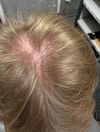
A user shared their successful 50-day progress using oral minoxidil and finasteride for hair loss. They plan to switch to dutasteride after six months for potentially better results.
The user is using finasteride, RU58841, and various natural supplements and treatments like seamoss, fish oil, and black rice water spray to combat hair loss, avoiding minoxidil due to dependency concerns. They report thicker hair and regained confidence, while discussing the potential risks and benefits of RU58841 with others.
The user has been using finasteride and topical minoxidil for 15 months but is experiencing constant hair shedding, similar to telogen effluvium, despite stable widow peaks. They have checked for vitamin and mineral deficiencies, consulted specialists, and are considering further investigation like a scalp biopsy.
The user is experiencing hair miniaturization despite using dutasteride 0.5mg daily and oral minoxidil 3mg daily for three months. They are advised to continue the treatment as full effects may take up to a year.
The user is using finasteride and topical minoxidil for hair loss after previously trying them separately without success. They are experiencing a shedding phase but are committed to the treatment.
A 28-year-old male started using oral finasteride and minoxidil on July 14th and noticed slight hair regrowth and thickness after 2.5 months, despite ongoing shedding. Another user advised that shedding is normal and encouraged continued use for up to a year for full results.
Combining minoxidil 5%, tazarotene 0.1% cream, and lumigan for hair loss treatment is discussed. The conversation focuses on the safety and effectiveness of using these treatments together.
The user is using topical finasteride, minoxidil, nizoral shampoo, and microneedling for hair regrowth but hasn't seen results after 2-3 weeks. They added tretinoin to their routine and are advised to wait a few months for potential changes.
A 23-year-old user shares their hair regrowth journey, questioning if genetics or other factors are at play. They use Rogaine, finasteride, vitamin B12, biotin, Thera M Plus, and derma stamping, and seek advice on their regimen and hair growth patterns.
The conversation discusses the experience of hair shedding after starting sublingual oral Minoxidil, with the user questioning whether to continue the treatment. Responses suggest persisting with the treatment as shedding might lead to positive results.
Late 20s woman struggles with worsening hair loss and tried various treatments without success. Now trying spironolactone and ketokonazole shampoo, hoping for improvement.
A user is treating hair loss with Dutasteride, Minoxidil, RU58841, Derminator 2, Vitamin D, Biotin, and Zinc. After 6 months, there's no significant visual improvement, but the user feels less insecure about Retrograde Alopecia.
The user shared their 4-month progress using oral finasteride and topical minoxidil, with a specific application routine. They adjust the minoxidil application to manage costs, applying it daily with variations in quantity and additional tretinoin on certain days.
A user is seeking a Minoxidil Response Test kit in the EU without bundled consultations. They mention alternatives like oral minoxidil and tretinoin but prefer the test alone.
A user started taking 0.625mg oral minoxidil daily for hair loss, increased the dose to 1.25mg, and experienced a significant shed, losing 70% of scalp density. They cannot tolerate finasteride due to side effects but are hopeful for hair regrowth despite the shedding.
The conversation is about a person's positive experience with Dutasteride 1mg and Oral Minoxidil 2.5-5mg daily for Diffuse Unpatterned Alopecia, showing significant hair regrowth after 9 months. They mention a tough initial shedding phase, no side effects after 9 months, and a preference for oral treatments due to convenience and pet safety.
The user struggles to cover their entire scalp with 1 ml of RU58841 while using dutasteride and oral minoxidil for hair loss. Suggestions include using a syringe for precise application, applying twice daily, and considering the use of more than 1 ml to ensure full coverage.
A user is starting treatment for hair loss with topical minoxidil, oral finasteride, and is considering adding topical latanoprost but is unsure about the application frequency and method for latanoprost. They are seeking advice from others with experience using these treatments.
A user discusses using latanoprost, a costly treatment that may extend the hair growth phase and improve hair quality, wondering why it's not more popular. They already use a combination of finasteride and minoxidil and plan to incorporate latanoprost into their routine.
Combining microneedling with Low Level Laser Therapy (LLLT) for hair growth, with discussions on device legitimacy and effectiveness. Alternatives like PEMF and the use of oral and topical treatments such as dutasteride, minoxidil, and finasteride are also considered.
The user experienced hair regrowth using oral finasteride and minoxidil once per day over 18 months, with noticeable improvements starting around month five. They reported no side effects from finasteride and found oral treatment more effective than topical.
The conversation is about a user's hair regrowth progress using topical Minoxidil 5%, a derma roller, Foligain Trioxidil shampoo, and various supplements like zinc, selenium, magnesium, B6, B7, saw palmetto, and D3 + K2. The user is seeking finasteride but faces prescription challenges in Italy.
The user experienced significant hair regrowth using 7% minoxidil, 0.3% finasteride, and derma stamping over nine months. They reported no side effects and noticed results around 3-4 months, with faster progress when using derma stamping 2-3 times a week.
A user applies topical finasteride and minoxidil for hair loss and is concerned about the risk to his pregnant wife. It's suggested that topical treatments could be hazardous to a male fetus, and switching to oral finasteride might be safer.
Finasteride and minoxidil users discuss shedding around months 8-10, with mixed experiences on hair regrowth. Some consider switching to dutasteride if shedding persists.
Various hair growth treatments were discussed, including microneedling, bimatoprost, setipiprant, stemoxydine, PGE2, CB-03-01, WNT Beta-Catenin upregulators, KY19382, topical estrogen, IGF-1, GH, MK-677, oral castor oil, fisetin, resveratrol, cetrizine, and lactic acid. Users shared experiences and sources for these treatments, with some expressing interest in topical solutions and others noting the lack of FDA approval or scientific evidence for certain options.
A 43-year-old noticed significant hair thinning and is using topical minoxidil, dermarolling, Alpecin, biotin, zinc, copper, vitamin D, and rosemary oil. They plan to see an endocrinologist and have blood tests scheduled to investigate further.