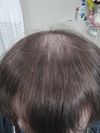
A 17-year-old female is worried about hair loss, noticing thinning and bald spots. She plans to try burdock oil and castor oil, and if needed, Jamaican castor oil.
A 21-year-old male used ketoconazole shampoo, 1mg finasteride, 5% topical minoxidil, and 5mg oral minoxidil for hair loss, with no side effects reported. He applied topical minoxidil only to thinning areas to promote hair and beard growth.
A user diagnosed with Crohn's disease is concerned it might contribute to balding. They have been using keto shampoo, finasteride, and oral minoxidil, which improved their hair but not significantly.
A 22-year-old male is not seeing hair regrowth after using minoxidil and finasteride for a year and additional treatments for three months. Suggestions include improving scalp absorption with sea salt and trying a lipid-based solution, microneedling, and possibly switching to dutasteride if no improvement after 1-2 years.
The user has been using 5mg oral Minoxidil daily and started with 1mg Finasteride daily, but reduced the dose due to side effects and is considering trying RU58841. They are concerned about thinning hair despite some temple recovery and are seeking advice on maximizing progress.
A 21-year-old is experiencing hair thinning and is using oral finasteride and topical minoxidil, considering adding oral minoxidil. They are unsure if the condition is androgenetic alopecia (AGA) or telogen effluvium (TE) and are advised to continue treatments and get a blood test.
The user is using oral dutasteride, topical minoxidil (Regaine foam 5%), and ketoconazole shampoo for hair loss, reporting good results with no significant side effects. The user is 26 years old and applies minoxidil once or twice daily.
The user shared their 4-year hair regrowth progress using finasteride, minoxidil, estradiol, and spironolactone. They noted significant regrowth by the second year and additional benefits from estradiol and spironolactone.
The user experienced successful hair regrowth with Finasteride and Minoxidil but developed erectile dysfunction and abdominal pain, possibly due to medication or lifestyle changes. They plan to consult a urologist and consider adjusting medication or trying supplements like zinc, DIM, or boron.
OP experienced hair improvement using NMN and quercetin after stopping finasteride, but later resumed finasteride due to shedding. They believe NMN and quercetin still help with hair loss.
The conversation is about someone's hair regrowth progress using 1mg finasteride daily, minoxidil with occasional breaks, micro-needling, and rosemary oil. They improved from Norwood 6 to Norwood 4.5 in less than a year.
Hair loss is humorously blamed on ancient selection preferences, with discussions on genetics and societal norms. Treatments like finasteride are mentioned as modern solutions.
Hair loss has slowed, but uneven growth and kinking persist despite using keto/nizoral shampoo and clotrimazole. Stress and anxiety might be contributing factors.
Piroctone olamine and ketoconazole are both effective for reducing dandruff and hair shedding, with potential benefits for hair thickness and scalp health. Piroctone olamine may be as effective or better than ketoconazole in certain conditions, yet it is often overlooked.
A 21-year-old shares progress 1.5 months after starting finasteride (0.5 mg every other day) with no side effects, using minoxidil for beard growth, rosemary oil, and weekly microneedling. They report healthier hair texture and positive feedback from family.
A 24-year-old male is experiencing hair thinning and feels hopeless, considering treatments like finasteride and minoxidil but is concerned they might not work. He is also contemplating a dermatologist visit and is unable to afford a hair transplant.
A 32-year-old man started oral minoxidil at 0.625mg daily, alongside topical minoxidil, to address hair thinning after experiencing side effects from other treatments. He plans to monitor his health closely and adjust the dosage after two months.
The user is experiencing hair thinning despite using finasteride and minoxidil for over a year and is considering alternatives like dutasteride, RU58841, or mesotherapy. They are concerned about maintaining their hair until their mid-20s and are seeking suggestions for additional treatments.
Naepo's 5-month progress report detailing their journey of treating male pattern baldness with dutasteride and oral minoxidil, which has already resulted in an encouraging improvement in hair density. Others have responded with appreciation for the thorough report and asked further questions about Naepo's educational background.
The user is using minoxidil and finasteride to treat hair loss and is concerned about shedding and potential aggressive hair loss. They noticed some regrowth in trichoscopy pictures but are unsure about real-life changes.
The user experienced significant hair regrowth using a daily oral combination of minoxidil (3mg) and finasteride (1.1mg) without side effects. Others shared their experiences with similar treatments, noting varying results and side effects.
A user shared their experience with hair loss treatment using finasteride (1mg) and minoxidil (1ml), noting significant shedding phases but hoping for improvement. Shedding is a common synchronized effect of the treatment, which may desynchronize over time, potentially taking over 5 years.
The conversation discusses stopping oral minoxidil after 2 years and using rosemary/peppermint oil instead, with the concern of losing hair gains. Replies suggest that switching to oils will result in losing all the hair gains achieved with minoxidil.
Liver problems may reduce the effectiveness of oral minoxidil due to impaired SULT1A1 enzyme activity, which is crucial for converting minoxidil to its active form. This reduction in enzyme function can significantly decrease the drug's effectiveness in promoting hair growth.
The user experienced significant hair loss due to health issues and started using finasteride 40 days ago. They cannot use minoxidil due to an allergy and are seeking advice on whether finasteride will help.
Hair loss treatments discussed include Minoxidil, Finasteride, and RU58841. Users share experiences with Finasteride, mentioning watery semen as a side effect and weighing its importance against maintaining hair.
The user is experiencing hair fall and is using a nonsulfate Maui Hibiscus shampoo and conditioner, washing twice a week, and applying a warm mixture of castor and olive oil. They seek advice on a proper haircare regime and product recommendations for low porosity hair.
Stefano, a 20-year-old male, experienced significant hairline shedding and thinning after using topical Minoxidil, along with rosemary/jojoba oil, biotin tablets, caffeine shampoo, and a dermaroller. He is uncertain whether to continue the treatment in hopes of regrowth or stop and potentially return to his original hair condition, while a reply suggests using finasteride or dutasteride to address the underlying cause of hair loss.
The user experienced significant hair regrowth using a daily capsule containing 1mg finasteride, 2.5mg minoxidil, and 10mg biotin, with noticeable results after 3-4 months. They reported a decrease in libido as a side effect and considered switching to minoxidil only, but were advised against it.