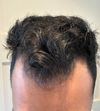
The conversation discusses hair loss treatments, specifically mentioning Minoxidil, finasteride, and RU58841. It also references Epibiotech's hair multiplication and cell therapy as potential solutions.
A 23-year-old experiencing diffuse hair thinning has chosen a treatment stack including topical finasteride, a blend of rosemary, peppermint, and pumpkin seed oils, procyanidine B2 spray, ketoconazole shampoo, and scalp massages. They avoid minoxidil due to family history of side effects and oral finasteride due to high estrogen levels.
Finasteride is humorously claimed to enable communication with sea mammals, with users sharing exaggerated side effects and alternative hair loss treatments like olive oil and onion. The conversation is satirical, with users joking about unusual experiences and results.
User discusses hair loss treatments including Minoxidil, Finasteride, and RU58841. Various suggestions given, such as topical estrogen, vitamins, and shaving head.
The conversation discusses combining topical cetirizine with minoxidil for hair loss treatment and inquires about the safety and absorption through the skin, as well as the possibility of adding melatonin.
PP405 is a new hair loss treatment showing early promise with a 20% hair density increase, but skepticism exists due to past failures of similar treatments like Pyrilutamide, RU58841, and Bimatoprost. Users debate its potential effectiveness, with some hopeful due to Google's involvement, while others urge caution without more evidence.
The conversation discusses hair loss treatments, specifically the effectiveness and legitimacy of low-level laser therapy (LLLT) devices under $200. The user has seen positive results with finasteride, minoxidil, ketoconazole, microneedling, and scalp massages, and seeks advice on affordable LLLT options.
The conversation discusses using a Hydra Pen to inject topical finasteride and Minoxidil for hair loss treatment. A user reports no side effects after one week of use and plans to share results in two months.
A user shared their year-long hair loss treatment using minoxidil, microneedling, and scalp massages, reporting moderate hair growth and stabilization. They suggest starting early with less harmful methods and consider adding finasteride or dutasteride if needed.
User deciding between oral and topical minoxidil, concerned about hypertrichosis and myocarditis interaction. They're using topical finasteride, LLLT, natural oils, dermastamping, and scalp massage, and considering adding oral minoxidil.
Minoxidil, often combined with microneedling, has helped some users improve hair growth at the temples and hairline. Finasteride is also mentioned as a treatment, with mixed results on its effectiveness.
The user is using oral and topical minoxidil, finasteride, dutasteride, and considering adding rosemary and pumpkin saw palmetto to their regimen. They report significant hair growth, especially with dutasteride, and are considering increasing their dose and adding RU58841.
Tattooing hair loss drugs like minoxidil and dutasteride into the scalp is discussed as an alternative to daily pills, with mixed opinions on its effectiveness and convenience. Some users report positive results, but concerns about cost, potential side effects, and the procedure's discomfort are noted.
PP405 shows promise in activating dormant hair follicles and increasing hair counts but lacks detailed efficacy data compared to minoxidil and finasteride. Opinions are mixed, with some optimism and skepticism about its effectiveness.
A user shared their successful hair loss and gray hair reversal routine, which includes Minoxidil, Cetirizine HCl, Latanoprost, Dutasteride, Melatonin, Caffeine, Tretinoin, Vitamin D3, and Vitamin E. They also use a red light cap, oral Minoxidil, and are developing new treatments.
The conversation discusses various hair recovery treatments, including finasteride, dutasteride, minoxidil, RU58841, ketoconazole shampoo, microneedling, and tretinoin. Users debate the effectiveness and safety of these treatments, with some suggesting combinations like dutasteride and minoxidil as potent options.
Hair systems are a popular solution for hair loss, offering impressive transformations with manageable maintenance and cost. Some users prefer hair systems over medications like Minoxidil or Finasteride, while others express concerns about the permanence and visibility of these systems.
The conversation is about finding the optimal concentration of topical melatonin for hair loss treatment. The user is considering making their own solution and is unsure whether a higher concentration is more effective for deactivating prolactin receptors.
A 26-year-old is starting a hair loss treatment using 1mg oral finasteride daily, 5% topical minoxidil foam twice daily, 2% ketoconazole shampoo weekly, and microneedling once a week. They noticed worsening hair loss over the past year and are seeking advice.
Visible hair improvement after 10 weeks using minoxidil, estradiol enanthate, acetophenide algestone, and bicalutamide. The user is a 25-year-old male with reduced testosterone levels, expressing a preference for less masculinity.
A new hair loss treatment, PP405, is moving from phase 2A to 2B in clinical trials, sparking discussions about its potential to regrow dormant hairs and its impact on existing treatments like Minoxidil and finasteride. Some users express skepticism, while others are hopeful about its future effectiveness.
The user is considering using 2.5mg of oral minoxidil daily and 5% topical minoxidil every other day on their hairline, in addition to their current regimen of 1mg finasteride and RU58841. They are seeking advice on the safety and effectiveness of this combination.
The method combines finasteride, minoxidil, intense leg exercises, and cold exposure to treat androgenetic alopecia. It aims to boost metabolism and reduce androgenic effects, enhancing hair growth.
The user is seeking alternatives to Minoxidil for hair growth, currently using 0.1% topical finasteride and 2% ketoconazole shampoo. Suggestions include microneedling, red light therapy, rosemary oil, and other topical treatments like cetirizine, Stemoxydine, and Latanoprost.
A 28-year-old male noticed hair thinning and is considering treatments like minoxidil and finasteride but is concerned about finasteride's potential effects on epilepsy. He has tried microneedling, tretinoin, and minoxidil with slight improvement.
The user is experiencing excessive hair thinning and is unsure of the cause. They are seeking opinions on treatments like Minoxidil, finasteride, and RU58841.
A 37-year-old man treated his hair loss with 0.5mg finasteride every other day and 5% minoxidil twice daily for 5 months, reducing finasteride from 1mg due to side effects. His hair improved significantly, with positive changes visible from all angles, and he experienced no more side effects after the dosage adjustment.
The conversation discusses skepticism towards unconventional hair loss remedies, emphasizing the effectiveness of proven treatments like oral DHT blockers, topical minoxidil, and finasteride. It criticizes misleading advice and highlights the importance of starting effective treatments early.
A 35-year-old man, balding since 18, has seen growth of small, almost white hairs all over his scalp after 1.5 months on oral finasteride and minoxidil. Users suggest sticking with the treatment for a year, adding microneedling, and potentially trying RU58841 or dutasteride.