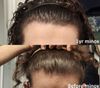
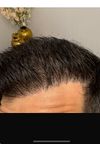
A user diagnosed with Crohn's disease is concerned it might contribute to balding. They have been using keto shampoo, finasteride, and oral minoxidil, which improved their hair but not significantly.
A 21-year-old is concerned about androgenic alopecia and has been using minoxidil for a year, noticing some stabilization in the hairline but fears using it on the whole scalp due to seborrheic dermatitis. Another person suggests considering a psychiatrist for stress management, using Nizoral shampoo, and possibly trying a small dose of finasteride.
The conversation is about hair loss treatment using finasteride, ketoconazole, and sulfur soap, with consideration of starting dermastamp. The user prefers not to use minoxidil.
A 22-year-old male experiencing hair thinning and loss, possibly due to seborrheic dermatitis or low vitamin D, is cautious about using minoxidil or finasteride due to heart palpitations and high blood pressure. Suggestions include using ketoconazole shampoo to control inflammation and focusing on treating the dermatitis first.
Hair loss has slowed, but uneven growth and kinking persist despite using keto/nizoral shampoo and clotrimazole. Stress and anxiety might be contributing factors.
The user is experiencing diffuse hair thinning after 8 months on topical finasteride and 11 months on minoxidil, and is considering switching to oral finasteride due to lack of effectiveness. They also mention scalp itchiness and use of a 1% ketoconazole shampoo.
A user with diffuse hair loss for a decade tried various treatments, including LLLT Helmet, supplements, topicals, and hair transplants. They found relief from scalp inflammation and itching using a topical solution made from crushed Xeljanz pills mixed with ethyl alcohol.
A 20-year-old female with PCOS is experiencing hair loss and excessive facial hair. She is using ketoconazole and caffeine shampoos, microneedling, and considering anti-androgens like finasteride, but is cautious about minoxidil due to facial hair concerns.
The conversation discusses a botanically derived treatment for androgenetic alopecia using ingredients like saw palmetto, green tea, and evening primrose, showing impressive results over 270 days. Concerns include the study's uncontrolled nature and potential product motivation, with suggestions to enhance absorption through derma rolling.
Using 2% ketoconazole daily can dry out the scalp; 1-2 times a week is recommended. Combining ketoconazole with treatments like minoxidil, alfatradiol, and fluridil can help manage hair loss effectively.
A 30-year-old male with thinning hair and an itchy, oily scalp found that hydrocortisone cream eliminated dandruff and itching and seemed to thicken his hair. He avoided minoxidil and finasteride due to potential side effects and noted that Nizoral and Head & Shoulders worsened his symptoms.
The user has been using 1mg finasteride every other day, 5% minoxidil daily, and microneedling every two weeks for three months to treat hair loss. They are happy with the progress and considering adding ketoconazole shampoo to their routine.
After one month of treatment with finasteride, minoxidil, dermarolling, ketoconazole shampoo, hair vitamins, and vitamin D3, the user reports minimal visual progress and increased shedding, but notes stronger body hair and light fuzz on eyebrows. The user is inquiring about potential hair regrowth.
Betnovate and mometasone furoate were tried for scalp issues, but Zoryve and Selsun shampoo were recommended for relief. Itraconazole was suggested for stronger treatment if topicals fail.
The user experienced significant hair regrowth using 5% Minoxidil, 1mg Finasteride, and Nizoral, with minimal side effects like occasional dandruff. Shedding occurred initially but led to positive results over time.
Finasteride helped stop hair loss progression and slightly thickened hair, but reduced beard and chest hair growth. The user also uses ketoconazole shampoo for scalp itchiness.
A user's success in hair regrowth after taking oral and topical medications, such as minoxidil and dutasteride, and using microneedling. Other users shared their experiences and advice with treatments used to reverse hair loss.
The conversation discusses hair loss struggles and treatments, including oral minoxidil, oral finasteride, and RU58841. Users share experiences and advice, suggesting options like topical minoxidil, microneedling, hair transplants, and scalp micropigmentation.
Transplanted hairs are thinning after switching from topical to oral minoxidil, with increased shedding and miniaturization. The user is considering reintroducing topical minoxidil and has started using ketoconazole shampoo.
Hair loss treatments discussed include microneedling, minoxidil, tretinoin, finasteride, dutasteride, pumpkin seeds, saw palmetto, and scalp massage. The consensus is that finasteride or dutasteride is necessary for significant regrowth, while other methods may only slow hair loss.
The user is experiencing flaking and shedding while using oral finasteride and minoxidil, which might be seborrheic dermatitis. A suggestion was made to try ketoconazole shampoo or cream and consider CBD with MCT oil, as shedding is common when starting these treatments.
A user with seborrheic dermatitis is experiencing bald spots and hair thinning despite changing their diet and taking oral minoxidil. Another user suggests using ketoconazole shampoo properly, using a scalp massager, applying rosemary/peppermint oil, keeping hair short, and taking fish oil to improve scalp health.
The user is using 1mg oral finasteride, 1.25mg oral minoxidil nightly, and ketoconazole shampoo weekly for hair loss, reporting no side effects. They self-prescribed after inconsistent use of topical minoxidil, using Lonitab from Intas pharmaceutical.
Using ketoconazole shampoo for seborrheic dermatitis is generally fine, but opinions vary on frequency, with some suggesting every other day and others less often. Proper scalp cleaning is emphasized to prevent itching and burning.
Zinc pyrithione and ketoconazole shampoos may help reduce hair loss by removing DHT from the scalp. Users discuss various treatments, including minoxidil, finasteride, and non-pharmaceutical options like castor oil and dermarolling.
A user found relief from minoxidil-induced scalp itch by using a different product, as Nizoral dried out their scalp and worsened the condition. The conversation focuses on managing side effects of hair loss treatments.
A user's 5 month progress with their hair loss treatment which includes topical finasteride and minoxidil, microneedling once every 10 days, and keto shampoo twice a week. Other users shared their own experiences and advice on treatments.
The user experienced no regrowth after nine months on minoxidil and developed red bumps after starting finasteride. They also use Nizoral 2%, which helps slightly, but minoxidil causes intense itching.
Microneedling, ketoconazole, and tretinoin are discussed as hair loss treatments, with tretinoin favored for its long-term benefits and potential to turn minoxidil non-responders into responders. Microneedling is recommended for initial use, ketoconazole for dandruff, and tretinoin for continuous use due to its skin benefits.