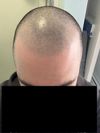
A 17-year-old is addressing hair loss with finasteride, topical minoxidil, and microneedling. They are considering adding GHK-Cu to their regimen, but others advise caution with finasteride due to age.
The conversation discusses hair regrowth using finasteride, minoxidil, RU58841, tretinoin, castor oil, and microneedling over three months. There are signs of early hair regrowth, with expectations of fuller hair in a year.
The conversation is about the effectiveness of the Laduora duo massage brush for hair regrowth using vibration and red light, and whether the vitamin gel pods make sense. Specific treatments like Minoxidil, finasteride, and RU58841 are not mentioned.
Sodium dodecyl sulfate, oleic acid, and palmitoleic acid may promote hair growth, but their safety and effectiveness for humans are uncertain. Users consider trying these treatments cautiously, exploring alternatives like ostrich oil and microneedling.
A user shared their positive experience with a hair transplant in Turkey, where they received 3500 grafts. They started using finasteride, minoxidil, biotin, and ajuga reptans supplements after one month, and posted progress pictures at 1, 2, and 6 months post-transplant.
Using PP405 and Clascoterone after a hair transplant may not cause issues if the transplant didn't achieve native density, but could lead to competition for blood supply if it did. Some users suggest waiting for these drugs to be available, as they might not significantly impact blood supply or regrowth.
The user experienced significant hair regrowth using finasteride, minoxidil, and a 4,000-graft hair transplant performed by Dr. Nader in Reynosa, Mexico. The results were natural-looking, and the user plans a second transplant for additional density if needed.
KX-826 combined with minoxidil significantly increases hair growth compared to minoxidil alone for treating male androgenetic alopecia, with no unexpected safety concerns. Users discuss various hair loss treatments, including KX-826, minoxidil, finasteride, and RU58841, sharing personal experiences and sourcing information.
The user is starting microneedling for hair loss and is concerned about cleaning the needles and post-treatment care, including sun exposure and applying products like rosemary oil. They use a microneedling pen and are seeking advice on timing and technique.
User discusses using finasteride, ketoconazole, fish oil, nettle root, saw palmetto, emu oil, and plans to start minoxidil for hair loss. They report maintaining hair with minor side effects like slightly lower libido and watery semen.
A 36-year-old man is considering starting oral finasteride and minoxidil, using ketoconazole shampoo, and possibly getting a 3000-graft FUE hair transplant. He previously had scalp micropigmentation but is now exploring medication due to fewer concerns about side effects.
A 20-year-old female with PCOS is experiencing hair loss and excessive facial hair. She is using ketoconazole and caffeine shampoos, microneedling, and considering anti-androgens like finasteride, but is cautious about minoxidil due to facial hair concerns.
User experienced feminizing side effects from finasteride and tried RU, alfatradiol, and finasteride without success. They are now considering treatments like Stemoxydine, Zix, Minoxidil, Dermarolling, Eucapil, and a hair transplant.
The user has been using finasteride every other day and oral minoxidil for hair regrowth, noticing new baby hairs. They are hopeful about regaining hair on their temples.
The user has been using 1mg finasteride daily, 5% minoxidil twice daily, 1.25mm derma-stamping fortnightly, and 2% nizoral shampoo twice a week for two years, seeing significant hair regrowth despite periodic shedding. They plan to consider a hair transplant in the future to address stubborn areas.
The user has been using 0.5 mg oral finasteride and recently switched to 2.5 mg oral minoxidil from topical application. They are observing potential early regrowth with longer baby hairs.
Using finasteride before a hair transplant can prevent further hair loss and make the transplant look more natural. Patients should continue using finasteride until hair cloning becomes available.
A 41-year-old doctor shared his positive experience with a 4,100 graft hair transplant, highlighting the importance of a skilled doctor for a natural hairline. He mentioned a confidence boost and the occasional use of finasteride post-transplant.
Finasteride and Nizoral shampoo with Ketoconazole are used for hair loss treatment. Liquid Chromatography–Mass Spectrometry (LC-MS) is recommended over Enzyme-Linked Immunosorbent Assay (ELISA) for more accurate DHT testing.
The conversation is about the anticipated results of Pelage's Phase 2a clinical trial for their topical hair loss treatment, PP405. Users speculate on when the results will be available, noting that delays might indicate less successful outcomes.
The conversation is about the delay in the release of GT20029 phase 2 results by Kintor. It also mentions Minoxidil, finasteride, and RU58841 as treatments for hair loss.
The post and conversation discuss Verteporfin's potential as a hair loss treatment. It's shown promise in regrowing hair after transplants and might be effective with microneedling.
Stem cell-related treatments and drugs like RCGD423 and WAY are being tested for hair growth. Clinics are conducting tests on patients who haven't had previous treatments.
The conversation is about finding a clinic in the UK or USA that provides topical finasteride 0.02% or KX-826 for hair loss treatment. Users discuss alternatives like mixing finasteride pills with minoxidil and mention the availability of KX-826 on Amazon.
The user plans to use a "nuclear protocol" for hair improvement, including topical minoxidil 12.5%, topical finasteride 0.1%, and tretinoin 0.05%, with microneedling once a week. They have seen improvements with minoxidil and are seeking opinions on their approach to achieve thicker hair.
KY-19382, an indirubin derivative, is discussed for its potential to stimulate hair growth and create new hair follicles. The conversation seeks experiences with synthesizing, topically applying, or orally administering KY-19382.