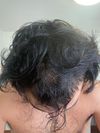
The conversation discusses hair thinning and treatments like Minoxidil, finasteride, and RU58841. The user is concerned about distinguishing between natural hair parting and actual thinning.
The user is treating androgenetic alopecia with finasteride and discovered a folic acid deficiency. They are asking if curing the deficiency can worsen or improve their hair condition.
Zinc pyrithione and ketoconazole shampoos may help reduce hair loss by removing DHT from the scalp. Users discuss various treatments, including minoxidil, finasteride, and non-pharmaceutical options like castor oil and dermarolling.
Body hair transplants can be a last resort for hair loss, using body hair to fill scalp gaps, though it may not match scalp hair in texture or length. Minoxidil and finasteride are discussed as treatments, with varying effectiveness and side effects.
The user experienced significant hair regrowth using finasteride, minoxidil, and other treatments but faced side effects like reduced libido and erectile issues. They are considering switching to Adgain Plus to improve hair health without affecting sexual health.
The conversation discusses scalp issues and hair loss, with treatments like Accutane, Nizoral, and H&S being used. Suggestions include considering finasteride, minoxidil, and jojoba oil, with caution advised for the latter.
The user experienced hair thinning with dandruff and itchiness but not complete baldness, and found relief using dermarolling and castor oil. They did not use minoxidil or finasteride and discussed the potential impact of lifestyle choices on hair loss.
A user shared their 5-year journey with hair loss, detailing treatments including minoxidil, finasteride, plasma therapy, and mesotherapy. They initially avoided finasteride but later started using it due to dissatisfaction with minoxidil alone.
The conversation revolves around the psychological impact of hair loss and various treatments. Participants discuss using Minoxidil (Min) and Finasteride (Fin), hair transplants, and therapy for mental health. Some also recommend immediate action at the first signs of hair loss and joining supportive communities.
The user is exploring alternatives to hair transplants due to a weak donor area and is currently using finasteride, minoxidil, dermapen, low-level laser therapy, Nizoral shampoo, and a high-protein diet. They plan to switch to dutasteride and consider adding RU58841, while rejecting hair systems and considering a buzz cut.
A 28-year-old male started balding at 20 and has been using Bosley Shampoo, minoxidil, finasteride, microneedling, and exosomes/PRP treatments. He also underwent scalp micropigmentation to hide thinning hair and is seeking feedback on regrowth progress.
Women also experience hair loss, especially post-menopause, often requiring lifestyle changes. Treatments include Scalp Micropigmentation, hair transplants, and sometimes finasteride, with underlying causes needing medical evaluation.
Royal_Woodpecker0007: Hahaha . No i am not naked .
This conversation is about Royal_Woodpecker0007's 11-month progress on hair loss medications, including topical finasteride and minoxidil, as well as oral finasteride and keto 1% shampoo. The treatments have shown positive results, reducing his hairfall from 200 hairs per day to 40-50, and thickening his hairline. He plans to wait another year before considering a transplant.
A user shared their positive experience using topical finasteride and minoxidil for nine months to combat male pattern baldness, reporting healthier and thicker hair without side effects. They recommend these treatments but advise researching potential side effects and consulting a professional.
The user "ajsr8" shared their story of hair loss despite being on treatments. They started using finasteride in 2019 and later tried topical minoxidil, but it didn't seem to work. They also experienced side effects from other treatments. They are considering cutting off their hair and stopping the medications if there is no improvement in three months. Other users suggested trying different treatments and getting a blood test to check for underlying conditions.
The user is using oral finasteride, oral minoxidil, ketoconazole shampoo, and various supplements to stabilize hair loss and thicken hair. They are considering using minoxidil foam on their beard to address empty patches but are concerned about side effects.
The user changed their hair loss treatment in October/November, experienced increased shedding, and now sees no new hair growth, with a worsening condition and a possible bald spot. They also have severe seborrheic dermatitis, which may be affecting their scalp and hair loss.
The user is experiencing increased hair thinning and shedding despite using oral dutasteride, oral minoxidil, topical dutasteride, and ketoconazole shampoo. Many recommend considering a hair transplant or embracing baldness, as current treatments seem ineffective.
The user is using 1mg oral finasteride daily, topical minoxidil on the hairline, a dermaroller weekly, Alpecin Caffeine shampoo daily, and ketoconazole shampoo weekly. The hairline appears to be improving after two months.
A 19-year-old shares his hair loss experience and treatment routine, which includes 1mg finasteride daily, 2mg oral minoxidil daily, ketoconazole shampoo every 2 days, and a healthy lifestyle. He notes that oral minoxidil is showing better results than topical minoxidil.
The conversation discusses a hair loss treatment regimen using Alfatradiol, Pyrilutamide, and Minoxidil. The user shares their current stack of these treatments.
The user has been using topical Minoxidil since April 2025 and Finasteride since September 2025, but their bald spot has worsened. They are considering switching to oral Minoxidil and have been advised to be patient, see a dermatologist, and possibly try additional treatments like derma rolling.
A 31-year-old who experienced severe hair loss during medical school tried various treatments, including topical and oral finasteride and minoxidil, but stopped due to side effects. They restarted treatment 10 months ago with a regimen including topical finasteride, minoxidil, retinoic acid, hydrocortisone, oral minoxidil, and light therapy, emphasizing the importance of consistency and skincare.
A new drug, PP405, is being discussed as a potential cure for baldness, with hopes it could be more effective than Minoxidil and Finasteride. Users are skeptical about its effectiveness and the need for lifelong use.
User is experiencing hair thinning and sebum overproduction after starting finasteride and a hair growth supplement containing biotin, iron, zinc, and calcium. They suspect the finasteride might be fake but have noticed a side effect of watery semen.
The conversation discusses hair loss treatments, focusing on reducing scalp itching and dandruff using natural shampoos, witch hazel, and apple cider vinegar. The user also mentions using finasteride and observing potential regrowth, though it's difficult to confirm.
Hopeful treatments for hair loss, including Verteporfin, Androgen Receptor Degradation, and SCUBE3. These treatments offer potential solutions to slow or stop the effects of androgens on the scalp.
A 20-year-old is experiencing hair thinning and is considering Clascoterone and Minoxidil as treatments, avoiding finasteride due to concerns about fertility and hormones. A suggestion was made to use Clascoterone for local DHT targeting and combine it with Minoxidil for maintenance and regrowth while avoiding systemic side effects.