The conversation discusses hair cloning progress and mentions treatments like Minoxidil, finasteride, and RU58841. Users also talk about hair transplants and their effectiveness.
The conversation is about experimenting with topical exosomes for hair loss treatment, alongside microneedling, Happy Head's gel-like topical, and Ordinary's hair serum. The user also mentions the availability of treatments like latanoprost and Redensyl.
The user shared progress pictures of hair regrowth using 1mg finasteride, 5% topical minoxidil, derma stamping, and rosemary and mint hair oil. Responses varied, with some noting visible regrowth and others questioning the effectiveness of the oils.
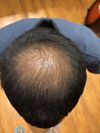
The user is starting a hair loss treatment regimen using Minoxidil, finasteride, and RU58841. They shared a progress picture from the beginning of their treatment.
The conversation is about how dealing with hair loss has made other insecurities seem less significant. Some users shared experiences of self-acceptance and improvements in other areas, like vision correction, but still facing the challenge of hair loss.
User "tresslessatbest" shares her experience with androgenic hair loss and treatments. She found success using men's Rogaine 5%, spironolactone, dermaroller, biotin, blackcurrant seed oil, prenatal vitamins, and Nizoral shampoo.
People are hopeful about future hair loss treatments like PP405, GT20029, and VDPHL01, while some are currently using finasteride and minoxidil. There is skepticism about the effectiveness of new treatments, and some advise against hair transplants until more promising drugs are available.
A new topical medication, Clascoterone, shows promise for hair loss, improving hair count significantly. Trials for Breezula are ending, but sign-ups for PP405 trials are available for 2026.
The user "Segggs" shared their progress with hair loss treatments including 6 months of foam minoxidil, 3 months of finasteride, keto shampoo, and inconsistent microneedling. The replies were positive, with some users commenting on the regrowth in the temple area.
The user added witch hazel to their routine with finasteride and topical minoxidil to reduce scalp itching and potentially help with hair loss. They find witch hazel affordable and effective for itch relief, though its impact on hair loss is still uncertain.
The user shared progress on hair regrowth using oral dutasteride, oral minoxidil, and verteporfin procedures. They reported some regrowth after 6-9 months of treatment.
Hair loss treatments are advancing, with Coegin Pharma's FOL005 expected this year and Breezula potentially later. Pyrilutamide is available but not very effective, while Kintor's products face skepticism; traditional treatments like finasteride and minoxidil remain dominant.
The user is experiencing hair regrowth using 1mg oral finasteride daily, Minoxidil foam twice a day, and microneedling weekly with a 1.5mm needle. They are seeking feedback and suggestions to optimize their hair regrowth.
Minoxidil foam and oral finasteride resulted in significant hair regrowth, especially on the hairline, with no side effects from finasteride. The user applied Rogaine 5% for minoxidil.
A 22-year-old is experiencing increased hair shedding and a greasy scalp after two months on 1mg finasteride. They are documenting their progress and seeking advice, with feedback suggesting that shedding is normal and results may take 6-12 months.
A 22-year-old male using finasteride, minoxidil, and derma stamping for one month reports progress in hair loss treatment. He also uses vitamin D, omega-3, beta carotene, tongkat ali, and ag powder, and maintains an active lifestyle.
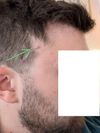
The conversation discusses a small patch of missing hair and whether treatments like Minoxidil, finasteride, or RU58841 could help. The user is seeking advice on addressing this specific hair issue.
GentleIris stopped hormone-induced hair loss with diet changes but couldn't regrow lost hair. A reply suggested microneedling instead of Platelet-Rich Plasma Therapy (PRP) for hair regrowth.
Hair looks thinner in sunlight, and users discuss using hair fibers, minoxidil, finasteride, and considering dutasteride for hair loss. Hair fibers like Toppik help conceal thinning, and some users suggest additional treatments like derma stamping and micro-needling.
Hair loss may be linked to blood flow and inflammation, with treatments like Minoxidil, finasteride, and quercetin being discussed. The conversation also mentions the role of 5AR enzyme distribution in hair follicles.
Elevated PGD2 levels in bald scalp tissue may contribute to hair loss, and treatments like castor oil, finasteride, and minoxidil are discussed as potential solutions. Some users explore alternatives like oral castor oil and cetirizine for those who cannot use finasteride.
A user experienced hair regrowth at the temples after applying castor oil nightly for a month. They also used Dr. Regenepure shampoo and occasionally argan oil.
The user is experiencing hair regrowth and increased hair thickness after using supplements like biotin, zinc, selenium, and a complex with various natural ingredients, along with topical caffeine. They are considering using topical minoxidil and mesotherapy in the future.
The user has been using topical 0.3% finasteride, 5% minoxidil, and Nizoral for 5 months and is questioning if they are experiencing hair regrowth. The conversation revolves around identifying potential hair regrowth.
The user underwent two FUT hair transplant surgeries with subpar results, leading to disappointment and continued use of Minoxidil, laser cap, dermaroll, and biotin. They advise thorough research before committing to hair transplants, especially for those with advanced hair loss.
The user experienced significant hair improvement after switching from topical to oral treatments, using finasteride, minoxidil, and biotin. They reported no major side effects, except for slightly thicker hair on their hands.
30 y/o male started balding at 22, began treatment at 29 using oral dut, oral min, derma rolling, nizoral shampoo, and considering low level light therapy. Plans to monitor progress for 1-2 years and may get hair transplant or use hair system if needed.