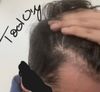
The user is using finasteride for hair loss and is frustrated with shedding but plans to add oral minoxidil for convenience and safety. There are concerns about using topical minoxidil around pets.
PP405 is a new hair loss treatment targeting dormant hair follicles, with ongoing trials. Some users consider stopping finasteride and minoxidil to join trials, while others doubt its effectiveness.
The user "OP" shared their hair loss journey, detailing their treatment regimen, which includes topical minoxidil, dutasteride, various vitamins, keto shampoo, derma rolling, and oils. They experienced significant shedding around month 6 but believe it has stopped, with hair regrowth resuming.
The user has been using finasteride and topical minoxidil for hair loss since April 2024 but feels their condition has worsened. They are considering switching to oral minoxidil or dutasteride for better results.
An 18-year-old male using minoxidil and finasteride is experiencing increased hair loss, possibly due to a shedding phase from finasteride. He also takes zinc, magnesium, calcium, and vitamin C, and is concerned about hair loss from his temples.
The user is experiencing hair regrowth with oral minoxidil and dutasteride but still has fragile hairs that easily pluck out from the front center. Despite improvements, the user is concerned about the persistent fragility and shedding of these hairs.
The user experienced significant hair shedding and dryness after starting minoxidil 8 months post-hair transplant, despite using finasteride and oils like castor and pumpkin seed oil. They expressed concern over the loss of density and the appearance of a failed transplant.
Baricitinib, approved for alopecia areata, might be considered for treating receding hairlines. The discussion is about the possibility of an over-the-counter topical version for androgenic alopecia.
The conversation discusses the severe shedding caused by Minoxidil, with users sharing their experiences and outcomes. Some report eventual regrowth, while others see no improvement or worsening hair loss.
Combining minoxidil 5%, tazarotene 0.1% cream, and lumigan for hair loss treatment is discussed. The conversation focuses on the safety and effectiveness of using these treatments together.
A female user in her mid-20s with androgenetic alopecia and suspected telogene effluvium who has been taking Dutasteride, Spironolactone, Minoxidil, Dermarolling, Ketoconazol shampoo, and Yaz contraception for her hair loss for the past 6 months. She had a small shed during this time that she believes to be stress related.
An 18-year-old male is experiencing hair loss and is using topical minoxidil and oral finasteride. He is concerned about continued shedding, mild sexual side effects, and whether to adjust his finasteride dosage.
Setipiprant and bimatoprost are being discussed as potential future treatments for hair loss. Some individuals have started testing setipiprant before FDA approval, but no progress updates are available yet.
A 22 year old man who is experiencing hair loss, thinning and dry scalp, has tried treatments such as finasteride and minoxidil, and other users sharing their experiences with similar issues.
A user shared a 3.5-month hair loss treatment progress using topical Minoxidil, Finasteride, and RU58841, noting improved confidence and satisfaction with the results. Other users congratulated and praised the progress shown in the pictures.
Hair loss is linked to cellular physiology and the IGF-1 to TGF-B1 ratio, not just androgen sensitivity. The theory lacks evidence, while finasteride and minoxidil are effective treatments.
A woman who has been experiencing hair loss for several years, and her question of whether there is any benefit to getting a biopsy to check if it's AGA or diffuse alopecia areata when no cure or very effective treatment exists. Treatments such as spironolactone and Minoxidil/finasteride/RU58841 have previously been discussed.
Minoxidil, finasteride, and RU58841 are discussed as treatments for hair loss, with excitement around a new drug, PP405, and a reformulated oral minoxidil in trials. Concerns about cost, side effects, and long-term use are also mentioned.
The user experienced hair thinning, possibly due to long COVID and prediabetes, and saw regrowth after dietary changes and using biotin shampoo. They are taking vitamins and noticed significant hair regrowth, especially at the widow's peak.
The user is experiencing hair shedding after using oral finasteride and topical minoxidil, questioning if this is normal. They are concerned about thinning at the hairline despite using these treatments.
The user started dutasteride and oral minoxidil but saw no improvement in crown hair regrowth. Users suggest increasing the minoxidil dose and seeking a second opinion.
A user with diffuse thinning, currently using finasteride, biotin, minoxidil, and nizoral shampoo, is considering a topical solution called "82M" but is skeptical due to its high cost and lack of supporting research. They seek others' experiences with "82M."
A 25-year-old male experiencing diffuse thinning is advised to address high TSH levels and low iron, and consider treatments like finasteride. Weight loss and improved diet are also suggested to potentially help with hair health.
A 21-year-old shares their one-year progress using finasteride for hair loss, experiencing initial shedding but eventual regrowth, especially on the crown. They consider switching to dutasteride due to continued hair loss at the front temple and mid-scalp areas.
The user has been on finasteride and minoxidil since 2020 and increased dutasteride and minoxidil doses in June 2024, but still experiences hair loss. Despite trying pyrilutamide without success, opinions vary on whether the hair loss is significant, with some suggesting it might be due to lighting, angles, or a regular shedding cycle.
The user experienced hair thinning despite using Dutasteride, topical Minoxidil, Finasteride, and Ketoconazole shampoo, but noticed improvement after adjusting their diet and vitamin intake. They plan to continue their routine and monitor changes while addressing dandruff issues.
A 21-year-old male diagnosed with telogen effluvium and male pattern baldness started oral finasteride, which initially slowed hair loss and slightly thickened hair, but experienced increased shedding after surgery. The doctor recommended iron and vitamin D supplements, and the user is seeking additional advice.
A 20-year-old is experiencing hair thinning due to vitamin D deficiency and has completed a vitamin D prescription without seeing improvement. Suggestions include waiting a few months for potential regrowth or considering treatments like minoxidil or finasteride for androgenetic alopecia.
The conversation discusses the use of low-dose oral minoxidil for hair loss and its potential effects on skin aging. Users shared experiences, with some noting side effects like puffy eyelids and dark circles, but no conclusive evidence of significant collagen depletion or increased wrinkles.
A user experienced severe hair shedding and hairline recession after 10 months on finasteride. They are considering switching to dutasteride or adding minoxidil.