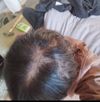
The conversation is about using DIY deoxyribose topical and botox injections for hair loss. The user is experimenting with these treatments and believes the science is strong.
Dutasteride significantly reduces DHT levels in hair follicles, potentially more effectively than previously thought. The discussion highlights differences in DHT measurements and the impact on hair loss treatment.
People are discussing the potential benefits and drawbacks of a new time-release oral minoxidil (VDPHL01) for hair loss, with considerations about its cost, efficacy, and side effects compared to current treatments like 2.5mg doses and topical applications. Some users express interest in trying it if it proves effective and affordable, while others are cautious due to potential side effects or are satisfied with their current regimen.
A user achieved significant hair regrowth from Norwood 3 to a dense Norwood 2 after five months using oral dutasteride, oral minoxidil, and a topical solution with minoxidil, retinoic acid, and hydrocortisone. The user reported no side effects and found the topical treatment especially effective for the hairline.
Loose-Message9596 has been experiencing hair loss for 3-4 years, initially due to low ferritin and vitamin D levels, and has tried treatments like vitamins, System 4, and PRP therapy. They are considering starting finasteride and minoxidil but are unsure due to their relatively low DHT level of 425.
People discussed using finasteride, minoxidil, and dutasteride for hair loss, with mixed results and side effects. Some had positive outcomes, while others experienced issues like libido changes and chose alternatives like hair systems.
The user has been using minoxidil for hair loss and is considering trying a compounded topical treatment with 0.1% dutasteride, minoxidil, tretinoin, collagen, and silicon, as recommended by a trichologist. They learned that dutasteride might be more effective than finasteride and are seeking opinions on the use of topical dutasteride.
A user increased their dutasteride dosage from 0.5mg to 1mg daily, resulting in a rise in DHT levels from 148 pg/mL to 281 pg/mL, and is considering switching back to finasteride due to continued hair loss. Replies suggest retesting and emphasize the importance of bloodwork before starting treatments.
People with hair loss experience emotional struggles and body dysmorphia. Treatments like minoxidil, finasteride, and dutasteride are used, but results vary and can take time.
The conversation discusses the use of trichoscopy to predict hair loss patterns and inform treatment approaches. Treatments mentioned include minoxidil, finasteride, and dutasteride, with varying effectiveness based on gender-specific hair loss patterns.
A user is experiencing facial bloating from low-dose topical finasteride due to high estradiol levels and is seeking advice on using DIM to manage this issue, including dosage and brand recommendations.
User discusses Alfatradiol (17a-Estradiol) as a potential hair loss treatment with mixed results. Concerns include low dosage, receptor theory, and possible increased aromatase activity on scalp.
A 19-year-old is using finasteride, dutasteride, and minoxidil to combat hair loss, seeing improved hair density but minimal hairline regrowth. Users suggest patience, continued treatment, and possibly considering a hair transplant in the future.
PP405 shows significantly better early-stage hair regrowth results compared to minoxidil and finasteride, with 31% of users experiencing over 20% density increase in 4–8 weeks. Minoxidil and finasteride show minimal or no visible regrowth in the same timeframe.
A user is making their own dutasteride solution using MCT oil but is concerned about its effectiveness and bioavailability. They are considering using propylene glycol or adding ethanol for better results, while others suggest the current dosage might be excessive.
Users discuss the effectiveness of low-dose topical finasteride (0.005-0.05%) for hair loss, often combined with minoxidil. Some report stable results or new growth, but it's unclear if improvements are due to finasteride or minoxidil.
The user is sharing their experience with using 0.5mg dutasteride, 2.5mg oral minoxidil, and hair dye for 45 days. Another user encourages them to continue as it is still too early to see significant improvement.
A 31-year-old has been on finasteride for 8 years and is experiencing less dense hair and itchiness, and is considering adding minoxidil or RU58841 to their regimen. They are also inquiring about the benefits of oral versus topical finasteride.
Topical dutasteride with microneedling is effective for androgenetic alopecia, improving hair thickness and density. Further research is needed to confirm long-term efficacy.
The user experienced significant hair regrowth and increased density after six months of using 0.5mg Dutasteride, 5% Minoxidil foam, and Olly hair gummies daily. The user plans to discontinue the gummies, believing the medications are primarily responsible for the improvement.
Extended-release oral minoxidil (VDPHL01) shows promising results for hair growth with improved safety, achieving significant hair count increases and minimal side effects compared to placebo. The treatment is designed to maintain effective concentrations while reducing side effects, making it a safer option for those who cannot tolerate standard minoxidil.
The user experienced worsening hair density after using finasteride, dutasteride, and RU58841, suspecting RU58841 might be the cause. They are considering stopping RU58841 after a scalp biopsy, while others share mixed experiences with RU58841's effectiveness.
A 20-year-old experiencing diffuse thinning is using a regimen of oral minoxidil, dutasteride, finasteride, and ketoconazole to address hair loss. They are considering increasing the minoxidil dosage or adding topical treatments due to minimal shedding observed after 16 days.
A user experienced increased hair shedding and unchanged DHT levels after taking 0.25mg of finasteride for 47 days, leading them to increase the dose to 0.5mg. Others discussed varying experiences with finasteride, minoxidil, and the importance of measuring scalp DHT.
The user experienced reduced effectiveness of minoxidil after consistent use, despite using dutasteride to maintain hair. They are considering alternatives like microneedling and exploring options like hair transplants due to dissatisfaction with current hair density.
Users discussed hair loss treatments, specifically 0.1% latanoprost with melatonin, caffeine, and biotin. Other treatments mentioned include minoxidil, finasteride, RU58841, and microneedling.
The conversation discusses using homemade topical finasteride for hair loss, showing an increase in DHT levels despite treatment. The user applies 0.125mg daily, resulting in 113.4% of previous DHT levels.
A user reversed hair loss using 0.5 mg of dutasteride daily without side effects. Others noted hair thickening but questioned the absence of minoxidil use.
A 21-year-old with diffuse thinning hair is considering RU58841 due to side effects from topical finasteride and is asking for the lowest effective dose and time to see results from RU58841 users.