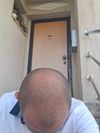
A user shared their 4-month progress using oral minoxidil, finasteride, and derma rolling for hair loss. They reported positive results and expressed gratitude for the treatment.
Finasteride and minoxidil are recommended for hair loss, with skepticism about additional treatments like electro stimulation and oxygen infusion, which are seen as ineffective and costly. Pulsed ultrasound may enhance drug delivery, but most other treatments are considered ineffective.
Oral minoxidil has greatly improved eyelash growth, prompting compliments and questions about mascara use. The user has been taking 2.5mg of oral minoxidil for three months and is also using finasteride.
A user received a custom topical treatment for hair loss from Rootsbyga, which includes minoxidil and possibly other ingredients to enhance its effectiveness. The initial test cost $120, and the monthly topical costs around $70, with concerns about long-term use of steroids like hydrocortisone.
Breezula's phase 3 results are expected soon, with discussions on the effectiveness of androgen receptor antagonists like spironolactone and the potential of GT20029. Users express skepticism about new treatments and discuss the complexities of male pattern baldness, often relying on finasteride despite its side effects.
The user is considering adding Stemoxydine to their hair loss regimen, as they already use topical finasteride with rosemary and cannot use Minoxidil. They are seeking feedback on Stemoxydine and Alphatradiol, and another user mentions 2-deoxy-d-ribose as a potential option.
The user is treating alopecia areata with 1.25mg oral minoxidil daily and topical mometasone furoate, considering increasing the dose or adding finasteride, though finasteride is not typically used for this condition. A gluten-free diet is suggested, and alternatives like Olumiant are mentioned.
A user reported noticeable hair regrowth using a 272 diode red light therapy hat over 11 months without Minoxidil or Finasteride. Opinions vary on its effectiveness compared to traditional treatments, with some suggesting combining therapies for better results.
A user who is using a combination of oral and topical treatments, including finasteride, minoxidil, pyrilutamide, dutasteride, microneedling, and ketoconazole shampoo in order to combat hair loss. Another user gave the original poster a word of warning about overusing the ketoconazole shampoo.
The user had a hair transplant and uses oral minoxidil, a red laser therapy helmet, fish oil, collagen, and sardines for hair thinning but avoids finasteride due to side effect concerns. Many suggest these methods may not be effective long-term without a DHT blocker.
A 26-year-old male is using a combination of clomiphene, minoxidil, tadalafil, bupropion, and lisdexamfetamine to address low testosterone, ED, depression, and focus issues. He seeks input on the safety and efficacy of this regimen, which also includes magnesium, zinc, and fish oil supplements.
A 22-year-old with advanced diffuse thinning is considering oral dutasteride after stopping finasteride due to side effects like brain fog and testicular pain. They are also contemplating a hair transplant combined with oral dutasteride and topical finasteride, noting a thick donor area.
The user is seeking advice on maximizing hair growth while using oral finasteride, topical minoxidil, Nizoral, and microneedling, and is considering adding a laser diode cap, topical finasteride, retinol, and caffeine. Suggestions include using tretinoin with minoxidil for better absorption, switching to dutasteride, and considering RU58841 or pyrilutamide.
The user experienced significant hair regrowth and no side effects after 14 months of using oral dutasteride and topical minoxidil. They initially had side effects with finasteride but found success with dutasteride, noticing hair stopped falling out within a few months.
The conversation discusses hair loss treatments, focusing on the use of topical minoxidil, microneedling, finasteride, and dutasteride, while debating the role of testosterone and DHT in hair loss. It also touches on the potential liver health impacts of these treatments and the genetic sensitivity of hair follicles to androgens.
A 22-year-old with high estradiol levels is considering starting finasteride for hair loss. They have an upcoming endocrinologist appointment to discuss whether they should proceed with the treatment.
A user experienced severe testicular pain after two weeks on oral finasteride. Another user suggested that while rare, this side effect can occur and recommended considering topical finasteride if the pain persists.
The user has been using minoxidil and dermarolling for 9 months and saw palmetto for 2 weeks to address female pattern baldness with vertex balding. They are seeking feedback on any progress in hair regrowth.
The user is using 2.5mg oral Minoxidil, rosemary mint oil, scalp massaging, a derma roller, multivitamins, and hair vitamins for hair regrowth. They are considering adding pumpkin seed oil, a derma pen, and saw palmetto vitamins, and are advised to consider finasteride.
Experimenting with trestolone as a treatment for hair loss in an attempt to avoid DHT-related treatments such as finasteride and dutasteride, and discussing the potential effects of its receptor selectivity on the androgen receptors in the scalp.
The conversation is about a 21-year-old male inquiring about the effectiveness of exosome therapy for hair thinning on the crown and considering whether to start Minoxidil while already on Finasteride and having had exosome injections 15 days ago.
The conversation is about using alfatradiol (17α-estradiol) as a hair loss treatment. The user is considering adding it to their regimen due to its safety and availability.
An 18-year-old is using a high-dose hair loss treatment regimen including finasteride, minoxidil, dutasteride, and plans to add RU58841 and bimatoprost, despite warnings from others about the risks. The user is determined to reverse hair loss but acknowledges the potential dangers and does not recommend others follow their approach.
The user experienced significant hair regrowth using Trestolone, GHK-Cu, and Minoxidil. They avoided Finasteride due to concerns about side effects and noted that their approach reduced androgenic load, contributing to hair regrowth.
Hair loss discussion includes alfatradiol (Pantostin/Ell Cranell) as a potential treatment. Users share opinions on its effectiveness in their regimen.
AH-001 is a new topical treatment designed to degrade androgen receptors, targeting the root cause of androgenetic alopecia without the side effects of oral treatments like finasteride. It has shown a strong safety profile and good local tolerability in early trials.
Someone switched from topical minoxidil to oral minoxidil and found it more effective and convenient, reporting improvements in hair, eyebrows, eyelashes, and beard without scalp issues. They are seeking long-term experiences from others who made the same switch.
The conversation discusses hair loss treatments, specifically oral minoxidil (2.5mg), dutasteride (0.5mg every other day), and ketoconazole. The user reports slow progress but significant hair growth after adding ketoconazole to their routine.
The user is seeking advice on improving their hair loss treatment regimen, considering changes to their topical solution, and is curious about others' daily routines and recommendations for medications and supplements. They are contemplating switching Tretinoin for Tazarotene, Latanoprost for Bimatoprost, and possibly adding Alfatradiol, Topical Melatonin, or a topical androgen receptor antagonist.
A 30-year-old female with telogen effluvium and androgenetic alopecia is using spironolactone, oral minoxidil, vitamin D, iron sulfate, and a hairmax laser band. She seeks recommendations for a dermastamp or derma roller, advised to use no higher than 0.5 mm.