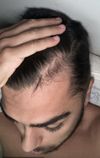
The user saw some hair regrowth with topical finasteride but is switching to oral finasteride due to supply issues. They also tried needling and minoxidil.
The user experienced increased hair loss with topical finasteride and is considering switching to oral finasteride. Others shared mixed experiences, with some suggesting oral finasteride is more effective, while others noted individual results vary.
Oralminoxidil dosing should be based on body weight to minimize side effects, with higher doses increasing risks like pericardial effusion. Combining oralminoxidil with topical treatments and finasteride can improve hair growth, but regular heart health monitoring is essential.
The user shared progress pictures showing hair improvement from using oral finasteride and topicalminoxidil between September 2023 and May 2026. Responses express amazement at the results.
An 18-year-old male experienced positive results with oral finasteride but stopped due to side effects and is now trying homemade low-dose (0.01%) topical finasteride mixed with liquid minoxidil to manage hair loss. He seeks feedback on the effectiveness of this DIY topical treatment.
The user has been using 0.5 mg dutasteride and 2.5 mg oralminoxidil for a year, recently adding microneedling and topicalminoxidil, with some improvement but the crown remains the weakest area. Consistency and realistic expectations are advised, as progress is slow and coverage is challenging with fine hair.
The user has been using oral Finasteride, Ketoconazole shampoo, and a dermaroller for 3 months, showing progress in hairline improvement. They are considering adding topicalMinoxidil after evaluating the results from Finasteride.
A user is creating a homemade topical solution by dissolving finasteride pills in Kirkland minoxidil to reduce side effects from oral finasteride. They report slowed hair loss and some regrowth but are unsure if the results are due to minoxidil or finasteride.
Concerns about using topicalminoxidil with tretinoin around toddlers due to potential exposure. Some suggest using oralminoxidil instead to avoid risks.
The user is using 1mg oral finasteride daily, applying topicalminoxidil 1-2 times daily, and using Nizoral shampoo twice a week for hair regrowth. They are discussing their progress at month 13 of this treatment regimen.
A woman experienced increased body hair and acne with minimal hair improvement after switching from topical to oralminoxidil. Suggestions included reducing the oral dose, trying spironolactone, returning to topicalminoxidil, or considering laser treatment for body hair.
The user is considering using tretinoin with topical finasteride due to poor absorption and side effects from oral finasteride. They are also contemplating switching to topical dutasteride, while others suggest trying oralminoxidil or lower oral doses.
Oral ketoconazole is discussed as a potential hair loss treatment, but it poses significant health risks like liver damage and adrenal insufficiency. Users suggest safer alternatives like topical anti-androgens or spironolactone, emphasizing the importance of consulting a specialist.
The user plans to take oralminoxidil 5mg, topicalminoxidil, finasteride, dutasteride 0.5mg, and various vitamins for hair loss. A caution was given about the high daily dosage of vitamin D3.
The user is using oralminoxidil and finasteride for hair loss and plans to add topicalminoxidil and a dermaroller. They also use ketoconazole shampoo to support hair regrowth.
Oralminoxidil may cause heart palpitations, especially in those sensitive to caffeine. It's advised to consult a doctor and consider starting at a low dose or using topicalminoxidil.
Oralminoxidil is causing significant blood pressure fluctuations and increased heart rate, leading the user to consider switching to topicalminoxidil and tretinoin. The user plans to consult a cardiologist and is likely to stop using oralminoxidil.
Microneedling is more effective when combined with minoxidil, especially for temple regrowth, but is considered near-useless on its own. Users suggest combining microneedling with oralminoxidil and dutasteride for better results, while some caution against potential scalp damage.
Clascoterone 5% topical solution shows promise for treating male-pattern hair loss by blocking DHT at the follicle without systemic absorption, potentially offering fewer side effects than oral treatments like finasteride. While results are promising, long-term safety and effectiveness need further study, and it may serve as a starting point for developing more effective treatments.
A 22-year-old is experiencing hairline recession after switching from topical to oral finasteride, despite using minoxidil. They are considering returning to topical finasteride or trying dutasteride for better results.
A 24-year-old male is using topical finasteride 0.1% with minoxidil 5% and oral finasteride 1 mg to treat hair loss but is experiencing scalp flaking from the topical solution. He is considering switching to a minoxidil foam without propylene glycol and continuing oral finasteride due to its effectiveness.
Topical finasteride can effectively reduce scalp DHT by targeting local enzymes, despite less systemic impact compared to oral forms. Combining oral dutasteride with topical finasteride and minoxidil may enhance hair loss prevention, though evidence of its effectiveness is limited.
The user is considering adding Pyrilutamide or Alfatradiol as a topical treatment for hair loss after oral Finasteride and Dutasteride became less effective. Other users suggest Pyrilutamide for its safety profile, while one user shares positive experiences with RU58841 for reducing scalp itch and improving hairline.
A user is experiencing uneven hair thinning and has tried topicalminoxidil without success and finasteride with adverse effects. They are considering microneedling and PRP treatments while avoiding finasteride, and another user suggests trying dutasteride as an alternative.
The user reports noticeable hair growth progress after three months using topicalMinoxidil, oral Finasteride, microneedling, and Vitamin D. Encouragement and additional advice, like using keto shampoo, are given by others.
The user has been taking oral finasteride 1.25mg daily for 9 months but is still experiencing hair recession. They plan to try topicalminoxidil and consider oralminoxidil and dutasteride if needed.
Oralminoxidil boosted vertex hair but not the hairline, with a stack including 5mg minoxidil, 2mg dutasteride, topical foam minoxidil, fluridil, and Nizoral. Users discuss dosing strategies, with some suggesting 2.5mg twice daily for sustained levels, while others recommend 5mg once daily based on clinical trials.
The conversation is about hair regrowth using topical finasteride, minoxidil, and keto spray, along with oral Saw Palmetto, Lustriva complex, collagen, and microneedling. Users discuss their experiences with these treatments, noting improvements in hair density and color, with some experiencing mild side effects.
Oralminoxidil can cause a stronger heartbeat, which may lessen over time, but if it persists or worsens, consulting a professional is advised. Reducing the dose or switching to a topical form might help.
Oralminoxidil can cause side effects like shortness of breath and constipation, which may be reduced by taking it in the morning. Some users experience no side effects, while others switch to topical treatments or adjust their dosage and timing to manage symptoms.