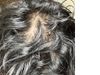
The user is using minoxidil, ketoconazole shampoo, oral finasteride, and microneedling for hair loss. They see progress but are concerned about continued hair shedding.
The conversation discusses hair loss treatments, specifically the use of oral minoxidil and finasteride, and the potential for hair regrowth. Many suggest considering a hair transplant for the persistent bald spot, while others recommend additional treatments like derma rolling and microneedling.
A user is using a topical treatment called Formula 82f, which contains finasteride, minoxidil, and a steroid, along with Ketoconazole shampoo for hair loss. They are considering whether to switch to oral medication for better results.
A user shared progress pictures after 8 months of using topical 5% minoxidil and 0.01% finasteride, showing significant hair regrowth. Replies suggest the user might not need a hair transplant and recommend considering oral finasteride.
User seeks treatment to increase minoxidil efficacy. Suggestions include microneedling, oral minoxidil, and Tretinoin, with mixed experiences and side effects.
The user is treating hair loss with topical Minoxidil, Finasteride, RU58841, microneedling, and Ketoconazole. For grey hair, they use L-Cysteine, L-Methionine, and PABA, and have noticed some re-pigmentation.
A 25-year-old has been using topical minoxidil for one year and oral finasteride for one month to combat hair loss, with no side effects from finasteride so far. The user reports that minoxidil has helped maintain their hair, with some improvement in temple volume, and is considering adding dermarolling.
Existing hair loss treatments like oral finasteride, topical minoxidil, and hair transplants are still the main options, with some improvements in affordability and techniques. There is hope for enhancing these treatments, but new effective solutions are unlikely in the near future.
The user has been using oral finasteride, topical minoxidil, and tretinoin cream for hair loss, with positive progress noted after six months. They are advised to continue their current regimen and consider additional treatments like derma rolling, while being cautious about switching to dutasteride due to potential side effects.
Minoxidil's effectiveness varies due to differences in sulfotransferase enzyme levels in the scalp, affecting people with conditions like ASD, liver disease, and androgenic alopecia. Treatments like topical tretinoin, microneedling, and using minoxidil sulfate instead of regular minoxidil can improve results for those with low enzyme levels.
The user is experiencing increased hair thinning and shedding despite using oral dutasteride, oral minoxidil, topical dutasteride, and ketoconazole shampoo. Many recommend considering a hair transplant or embracing baldness, as current treatments seem ineffective.
An 18-year-old male switched from topical finasteride and minoxidil to oral dutasteride for diffuse hair loss and saw improvement without side effects, despite experiencing scalp itch and shedding. Commenters noted significant hair regrowth and were surprised by his young age and appearance.
The user started using Hims Finasteride and Minoxidil topical in July 2023, added daily microneedling in November, and switched to chewable Finasteride and Minoxidil in January with increased microneedling frequency. They observed hair regrowth, suggesting diffuse thinning may be easier to treat.
The user shared their hair loss treatment progress using topical minoxidil, oral finasteride, derma stamping, and ketoconazole shampoo, noting improvements after switching back to a previous minoxidil brand. They are satisfied with the results and considering a hair transplant in the future.
A person shared their hair regrowth journey using HIMS topical treatments with finasteride, minoxidil, hormone replacement therapy (HRT), and microneedling. They also discussed their transition as a transgender woman and the positive impact of HRT on hair recovery.
A user shared impressive hair regrowth results after 4 months using topical minoxidil, oral finasteride, and 3 PRP sessions. They plan to continue with these treatments and add dermastamping.
A user is using oral finasteride, oral dutasteride, and drinking topical minoxidil for hair loss, despite health warnings. Switching from finasteride to dutasteride did not improve hair density.
The user achieved significant hair regrowth using 0.5mg oral Dutasteride, 2.5mg oral Minoxidil, topical Minoxidil twice daily, Ketoconazole shampoo twice a week, and weekly dermastamping with no side effects. Results were noticeable after 2-3 months, with the best results at 9 months.
The user switched from Finasteride to oral Dutasteride 0.5mg and oral Minoxidil 2.5mg, along with microneedling and Nizoral shampoo, to combat hair thinning. They report progress but note limited improvement in the temples.
The user has been using oral finasteride and minoxidil for hair loss but hasn't seen improvement and is considering switching to dutasteride or RU58841. They plan to start microneedling for better results.
The user shared progress pictures showing significant hair regrowth after three months using 5% foam minoxidil, 0.3% dutasteride, microneedling, pumpkin seed oil, and rosemary oil. The user reported no side effects and chose topical treatments to avoid them.
A user achieved significant hair regrowth from Norwood 3 to a dense Norwood 2 after five months using oral dutasteride, oral minoxidil, and a topical solution with minoxidil, retinoic acid, and hydrocortisone. The user reported no side effects and found the topical treatment especially effective for the hairline.
The user has been using topical minoxidil and finasteride for four months without noticeable regrowth and plans to try tretinoin. Other users suggest patience or switching to oral minoxidil if no results are seen after several months.
The user experienced hair growth using 2.5mg oral minoxidil, 0.5mg dutasteride daily, and 2% ketoconazole shampoo twice a week, noting fuller hair and less noticeable temple recession. They switched from finasteride and topical minoxidil to more aggressive treatments for better results.
A 20-year-old is experiencing hair loss and has tried oral and topical minoxidil, finasteride, and is considering dutasteride and a hair transplant. They feel frustrated and hopeless due to the lack of results and its effect on their mental health.
The user has been using HIMS topical finasteride and minoxidil spray for hair loss, with positive results but still seeks improvement at the crown and corners. They are considering reintroducing derma rolling and possibly trying oral treatments like dutasteride due to concerns about shedding and irritation.
A 19-year-old is using oral dutasteride, topical minoxidil, and dermastamping to address hair loss and enhance facial hair growth, experiencing minimal side effects and increased body hair. They report positive results in hairline thickness and temple closure.
A user reported significant hair regrowth after 4 months using finasteride and minoxidil, with no major side effects. They are considering oral minoxidil and use microneedling and ketoconazole shampoo.
RU58841, oral and topical minoxidil, finasteride, and ketoconazole shampoo led to significant hair regrowth, though some suspect a hair transplant. Concerns about RU58841's side effects, like anxiety and heart issues, were discussed.
A 32-year-old male used 1.25mg oral finasteride daily and 1ml topical minoxidil twice daily for 24 weeks, experiencing improved skin and hair growth with initial side effects that resolved after three weeks. He plans to try dermastamping to address a stubborn cowlick area.