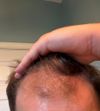
A user reported no effects after 2 months of taking 5mg oral minoxidil, with no shedding or regrowth. They are seeking advice on whether this is normal and if they should be discouraged.
A user shared progress pictures after 5 months of using oral Minoxidil (2.5mg) and Finasteride (1mg) for hair loss, reporting satisfaction with the results despite some light spots. Another user suggested increasing the Minoxidil dose if needed after a year.
The post discusses using oral Minoxidil and Dutasteride for hair loss. Minoxidil improved hair growth with mild hypertrichosis, while Dutasteride caused severe acne, cognitive issues, and mild anxiety, leading the user to prefer Finasteride.
A user reports hair loss despite using minoxidil and plans to increase their oral minoxidil dose gradually while also taking finasteride, dermarolling weekly, and applying topical stemoxydine nightly. They shared a link suggesting that increasing minoxidil dosage can improve hair growth and thickness.
The conversation is about a 26-year-old man's hair regrowth progress after three months of taking oral Minoxidil and Finasteride. There was a mix-up with the photo dates provided for comparison.
A user started taking oral minoxidil (2.5 mg daily) along with topical minoxidil, dutasteride, microneedling, and various supplements to improve hair growth and overall health. They are also focusing on weight loss, exercise, and better lifestyle habits.
A man, 35, shows 3-month hair regrowth progress using 0.4mg oral finasteride, 1.0mg minoxidil, topical minoxidil once daily, weekly dermastamping at 1.5mm, and ketoconazole shampoo. He experienced initial worsening, has no side effects, and received positive feedback on his early results.
A user shared progress pictures using 5mg oral minoxidil and 100mg spironolactone, noting increased body hair and faster nail growth. Another user humorously suggested a new sub for people with similar experiences.
The user reports improved hair condition after 6 months of oral finasteride and 3 months of topical minoxidil, using a q-tip for application, and incorporating Nizoral shampoo and weekly natural oil treatments. Commenters are impressed with the positive results on the user's hairline.
The individual has been using minoxidil for beard growth for over two years, started oral minoxidil and dutasteride six months ago, and began RU58841 three months ago, which significantly enhanced their results. They are open to answering questions about their hair loss treatment experience.
A person treated their diffuse alopecia with oral minoxidil (10mg daily), oral finasteride (reduced to 0.25mg daily due to side effects), castor oil, vitamins, and ashwagandha, and plans a hair transplant in Turkey. They stopped using topical minoxidil, have seen improved hair density, but are still experiencing hair loss.
User discusses increased body hair after using oral minoxidil for hair loss treatment. Others share experiences and debate benefits of being hairy versus bald.
How oral minoxidil and topical sildenafil (similar to Viagra) are used for hair growth by increasing blood flow to the scalp, and potential side effects of combining these treatments with other drugs.
The conversation is about the risks and uncertainties of using oral Minoxidil for hair loss, emphasizing that topical Minoxidil may be just as effective. It also mentions alternative treatments like micro-needling and retinol.
Hair loss treatments and the user's progress with taking finasteride and minoxidil orally, which has resulted in full recovery after 5 months. Users commented on this progress and discussed their own experiences or confusion about the treatments used.
This conversation is about a user's progress with using oral minoxidil 5mg to treat their hair loss, in combination with finasteride. The replies discuss the effectiveness of this treatment and provide additional information on potential methods for obtaining it.
The user started oral finasteride to improve hair regrowth, especially in the crown area, after only seeing some maintenance and regrowth with a regimen of micro-needling, topical Dutasteride, and Rogaine. They were initially concerned about side effects but decided to proceed after research and consultations.
Finasteride is key for hair regrowth, supported by oral/topical minoxidil, Folexin, Nizoral/Head & Shoulders, and vitamin D. No side effects experienced; early intervention and patience are crucial.
A user experienced severe side effects, including heart-related symptoms, after increasing their oral minoxidil dosage to 5 mg, leading them to stop the medication and seek medical advice. Many users advised against high doses of oral minoxidil, suggesting anxiety as a possible cause, and recommended consulting a doctor or switching to topical treatments.
A user started taking oral minoxidil using Rogaine, despite concerns from others about its safety and proper use. They plan to update on their progress.
The user is considering switching from oral to topical dutasteride and minoxidil due to concerns about mental health effects from lower DHT levels. They are seeking advice on the effectiveness and side effects of this change, including potential hair shedding and density changes.
Using a combination of low-dose oral and topical finasteride, along with minoxidil, may effectively manage hair loss by targeting both systemic and local DHT. Users report positive experiences with this regimen, noting good tolerability and no worsening of hair condition.
Veradermics' extended-release oral minoxidil is expected to be commercially available in 2027-2028, while another company, Minx, may release a similar product sooner. VDPHL01 is considered more clinically validated compared to Minx.
2.5mg oral minoxidil can be effective for hair regrowth, but 5mg often shows more dramatic results. Users at Norwood 2 using 1mg finasteride may see modest regrowth with 2.5mg, and it's suggested to give it a proper trial.
The user experienced noticeable hair thickening after 75 days using 5mg oral minoxidil, 1.25mg finasteride, ketoconazole shampoo, and weekly dermastamping. They also reported increased body and facial hair growth.
Users discussed using lower doses of finasteride and minoxidil for hair loss. Some experienced side effects like arrhythmia, while others reported slowed hair thinning but not complete prevention.
The user is 3 months into using dutasteride and oral minoxidil after switching from finasteride, noticing potential regrowth with small hairs at the temples. They take 2.5mg oral minoxidil and 0.5mg dutasteride daily, with some eyelash and eyebrow growth observed.
The user is discussing hair regrowth after 4.5 months of using oral dutasteride and minoxidil. Another user suggests improvement is possible and asks about exercise and diet.
A 21-year-old male shares a 3-month progress update using 1 mg oral finasteride daily and 5% topical minoxidil twice daily, reporting no side effects and noticeable hair growth. Users commend the results and encourage continuation of the treatment.
The user has been using oral minoxidil at 10 mg daily, split between morning and night, alongside finasteride for 7 years, and reports new hair growth at the temples. Many users express concern over the high minoxidil dosage, citing potential health risks, while others question the effectiveness and necessity of such a dose.