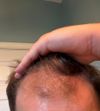
A user started taking oral minoxidil using Rogaine, despite concerns from others about its safety and proper use. They plan to update on their progress.
The user is experiencing hair loss and is considering using topical minoxidil and finasteride due to concerns about liver health, specifically elevated ALT levels from fatty liver. They are advised to start with topical treatments while continuing weight loss and dietary changes to improve liver function.
After stopping oral finasteride, shedding is common, and some regrowth may occur, but hair loss might continue. Alternatives like minoxidil, ketoconazole, or microneedling can be considered if finasteride side effects are problematic.
The user has been taking oral minoxidil and finasteride for 10 months with no hair growth but no further hair loss. They are considering adding rosemary oil and possibly returning to a topical solution.
A user shared their 1-year hair loss treatment update, switching from finasteride to dutasteride due to side effects, and combining it with oral minoxidil. They reported significant hair regrowth, especially at the right temple, with no sexual side effects from dutasteride.
The user has been using oral finasteride and minoxidil for over a year with little success in hair regrowth and is considering switching to dutasteride and increasing the minoxidil dose. Other users shared mixed experiences with these treatments, suggesting consulting a doctor before making changes.
A 21-year-old is using oral dutasteride and topical minoxidil 5% to treat hair loss, noticing reduced shedding and new hair growth, especially around the hairline. They experience mood changes as a side effect of dutasteride and are hopeful about continued progress with this treatment combination.
People take oral minoxidil at different times, with some experiencing side effects like sleep disturbances or water retention. Many combine it with other treatments like finasteride or dutasteride, reporting varying levels of hair regrowth and side effects.
The user is experiencing hair regrowth after 4.5 months of using oral minoxidil, oral dutasteride, latanoprost, ketoconazole shampoo, and dermarolling. They report shedding initially but have seen improvement without significant side effects.
The user has been using oral finasteride for about 9 months and oral minoxidil for about 4 months, with some regrowth observed. They are considering a hair transplant and hope to reduce the number of grafts needed by continuing these treatments.
A 23-year-old male has been using oral dutasteride and minoxidil for 1.5 years for temple recession, adding topical minoxidil and tretinoin 5-6 months ago, and recently adjusted thyroid medication and added iron supplements due to deficiencies. He noticed some baby hairs but no significant growth yet, and reports no shedding on dutasteride.
The user shared progress pictures after 2.5 years of using oral minoxidil (5mg daily) and finasteride (1mg daily) for hair loss, noting significant improvements over time. They experienced normal shedding and some beard growth, with no negative side effects reported.
A 33-year-old male shared his 3-month progress using 1mg oral finasteride and 2.5mg oral minoxidil, along with supplements and serums, reporting thicker hair and new growth in thinning areas without side effects. Users suggested considering dutasteride or a hair transplant for better results, while others encouraged continuing the current regimen for at least a year.
The user is using oral finasteride daily, topical minoxidil 5-6 days a week, tretinoin before minoxidil 3 times a week, and dermastamping weekly for hair loss treatment. They are considering adding dutasteride to their regimen and have not experienced any side effects from finasteride.
The user is considering switching from oral to topical dutasteride and minoxidil due to concerns about mental health effects from lower DHT levels. They are seeking advice on the effectiveness and side effects of this change, including potential hair shedding and density changes.
A user shared their 75-day progress using oral minoxidil, finasteride, ketoconazole shampoo, and dermastamping for retrograde alopecia, reporting significant improvement and increased body hair without side effects. They also discussed quitting smoking and the potential correlation between early beard growth and male pattern baldness.
The user is experiencing significant hair shedding after three months on oral Dutasteride, Minoxidil, and Vitamin D3, but remains hopeful as shedding can indicate treatment effectiveness. They consider adding topical Minoxidil and dermal needling, while others advise patience.
Using a combination of low-dose oral and topical finasteride, along with minoxidil, may effectively manage hair loss by targeting both systemic and local DHT. Users report positive experiences with this regimen, noting good tolerability and no worsening of hair condition.
Veradermics' extended-release oral minoxidil is expected to be commercially available in 2027-2028, while another company, Minx, may release a similar product sooner. VDPHL01 is considered more clinically validated compared to Minx.
2.5mg oral minoxidil can be effective for hair regrowth, but 5mg often shows more dramatic results. Users at Norwood 2 using 1mg finasteride may see modest regrowth with 2.5mg, and it's suggested to give it a proper trial.
The user experienced noticeable hair thickening after 75 days using 5mg oral minoxidil, 1.25mg finasteride, ketoconazole shampoo, and weekly dermastamping. They also reported increased body and facial hair growth.
Users discussed using lower doses of finasteride and minoxidil for hair loss. Some experienced side effects like arrhythmia, while others reported slowed hair thinning but not complete prevention.
The user is 3 months into using dutasteride and oral minoxidil after switching from finasteride, noticing potential regrowth with small hairs at the temples. They take 2.5mg oral minoxidil and 0.5mg dutasteride daily, with some eyelash and eyebrow growth observed.
The user is discussing hair regrowth after 4.5 months of using oral dutasteride and minoxidil. Another user suggests improvement is possible and asks about exercise and diet.
A 21-year-old male shares a 3-month progress update using 1 mg oral finasteride daily and 5% topical minoxidil twice daily, reporting no side effects and noticeable hair growth. Users commend the results and encourage continuation of the treatment.
The user has been using oral minoxidil at 10 mg daily, split between morning and night, alongside finasteride for 7 years, and reports new hair growth at the temples. Many users express concern over the high minoxidil dosage, citing potential health risks, while others question the effectiveness and necessity of such a dose.
A 21-year-old shares progress using oral dutasteride for 3 months and topical minoxidil 5% for 3 weeks, noting reduced hair shedding and new baby hairs. They seek feedback on when to expect noticeable thickening and hairline improvement.
Extended-release oral minoxidil (VDPHL01) shows promising results for hair growth with improved safety, achieving significant hair count increases and minimal side effects compared to placebo. The treatment is designed to maintain effective concentrations while reducing side effects, making it a safer option for those who cannot tolerate standard minoxidil.
The user has been using oral minoxidil (3mg) and finasteride (1.2mg) for 3 months. Some users notice hair growth, especially at the temples and crown, while others see no difference.
The conversation discusses hair regrowth progress after approximately 70 days of using oral finasteride and minoxidil. Users suggest waiting longer, around six months, to see more noticeable results.