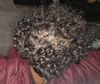
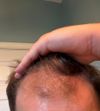
A user started taking oral minoxidil using Rogaine, despite concerns from others about its safety and proper use. They plan to update on their progress.
The user has been using oral minoxidil at 10 mg daily, split between morning and night, alongside finasteride for 7 years, and reports new hair growth at the temples. Many users express concern over the high minoxidil dosage, citing potential health risks, while others question the effectiveness and necessity of such a dose.
A 21-year-old shares progress using oral dutasteride for 3 months and topical minoxidil 5% for 3 weeks, noting reduced hair shedding and new baby hairs. They seek feedback on when to expect noticeable thickening and hairline improvement.
Extended-release oral minoxidil (VDPHL01) shows promising results for hair growth with improved safety, achieving significant hair count increases and minimal side effects compared to placebo. The treatment is designed to maintain effective concentrations while reducing side effects, making it a safer option for those who cannot tolerate standard minoxidil.
The user has been using oral minoxidil (3mg) and finasteride (1.2mg) for 3 months. Some users notice hair growth, especially at the temples and crown, while others see no difference.
The conversation discusses hair regrowth progress after approximately 70 days of using oral finasteride and minoxidil. Users suggest waiting longer, around six months, to see more noticeable results.
The conversation discusses increasing the dose of oral minoxidil from 2.5mg to 5mg for better hair density, with concerns about potential side effects like heart rate changes and fluid retention. Users suggest consulting a doctor, considering individual tolerance, and exploring other treatments like dutasteride.
The conversation is about a user taking a break from oral minoxidil due to persistent eye puffiness after two years of use. Suggestions include switching to topical minoxidil foam and adjusting the dosage to manage side effects.
Switching from topical to oral minoxidil for hair loss treatment. The user seeks advice on dosage and whether to overlap or combine both forms for better results.
Taking 2.5mg oral Minoxidil daily can increase body hair, with users reporting thicker and longer hair, including on eyebrows and eyelashes. Some users suggest starting with a lower dose to manage unwanted hair growth.
The user has been using oral dutasteride and topical minoxidil for 8 years, added oral minoxidil 6 months ago, but continues to experience hair thinning despite reduced shedding. They are considering checking iron levels, switching medication brands, and exploring other treatments like RU58841.
The user shared progress pictures after using 1mg oral finasteride daily and topical minoxidil every other day for four months, showing significant hair growth. Others congratulated the user and discussed personal experiences with hair loss treatments.
The user has been using finasteride (1.25mg) for 21 months and oral minoxidil (2.5mg) for 7 months with no noticeable improvement, seeking others' experiences on timelines for results. Suggestions include microneedling and vitamin D supplements, with the expectation that modest results or maintenance are common.
Microneedling can still be beneficial when using oral finasteride and minoxidil, with a recommended needle length of 0.5mm to 1.0mm. A stamp or pen is preferred over a roller for microneedling.
The user shared their 4-month progress using oral finasteride and topical minoxidil, with a specific application routine. They adjust the minoxidil application to manage costs, applying it daily with variations in quantity and additional tretinoin on certain days.
OP plans to switch from topical to oral minoxidil due to limited results and is advised to overlap both for a few weeks before discontinuing the topical. Oral minoxidil may be more effective for non-responders to topical treatment.
A 23-year-old male has been experiencing hair loss since age 19 and has tried topical minoxidil, oral finasteride, and topical finasteride, but experienced side effects. He is considering oral minoxidil as a last resort and seeks recommendations.
The user has been using oral finasteride and topical minoxidil for 4 months and is questioning if there's regrowth. Responses suggest that diffuse thinning takes longer to show results, but there is some progress noted.
The user shared progress pictures showing significant hair regrowth after 7 months of using oral finasteride and topical minoxidil. The results sparked a mix of disbelief and congratulations, with some users discussing initial hair shedding and side effects.
Switching from finasteride to a dutasteride/minoxidil pill resulted in worse hair loss for the user. They are seeking advice on the effectiveness of the product from Happy Heads.
The user reported progress in hair growth after 7 months using dutasteride, oral minoxidil (2.5 mg once daily), and Nizoral, noting improvements in hair thickness and density. The user experienced no side effects and plans to continue the treatment.
The conversation discusses hair regrowth treatments, specifically using 1mg oral finasteride and topical minoxidil for six and two months, respectively. Additional suggestions include red light therapy, derma rolling, and twice-daily minoxidil application.
Switching from topical to oral minoxidil caused acne breakouts, leading the user to revert to topical use. Finasteride was also used, but acne was suspected to be linked to oral minoxidil.
The conversation discusses hair regrowth using oral minoxidil 2.5mg and dutasteride 0.5mg, with some users reporting positive results. Others share their experiences with similar treatments, expressing hope for improvement and discussing side effects.
The user reported tiny hair growth in thinning areas and improved thickness after 56 days of using 1 mg oral finasteride, 2.5 mg oral minoxidil, and a serum with Redensyl, Anagain, Capixyl, and Procapil. They also take supplements and maintain a healthy lifestyle with no noticeable side effects.
The conversation suggests starting finasteride or dutasteride alongside minoxidil for better hair loss treatment, as minoxidil alone is seen as ineffective without a DHT blocker. Some users also mention considering RU58841 as an alternative to finasteride.
A user shared their positive progress using oral minoxidil and dutasteride for hair loss after previously using finasteride and topical minoxidil. They discussed additional treatments like microneedling and ketoconazole shampoo for better results.
The conversation discusses the effectiveness and side effects of taking 1.25mg oral minoxidil for hair loss, with some users suggesting starting at a lower dose to minimize side effects before potentially increasing to 2.5mg. Concerns about cardiovascular side effects and the importance of individual responses to dosage are highlighted.
A 25-year-old male has been using oral Finasteride 1mg daily and topical Minoxidil 5% twice daily for 1.5 years without seeing hair growth improvement. He is considering switching to oral Minoxidil and is uncertain about starting Dutasteride.
The user switched from oral minoxidil to topical minoxidil and added JXL-069/PP405-3HP, along with topical dutasteride, melatonin, and tretinoin. They also use low-level laser therapy (LLLT) but doubt its effectiveness.