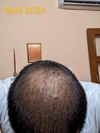
Topical minoxidil with retinoic acid is effective but causes scalp irritation, leading the user to consider switching to 2.5mg oral minoxidil. Oral minoxidil may cause body hair growth and heart-related side effects, so it's advised to use it under medical guidance.
The user has been using 2.5 mg oral minoxidil daily and initially 0.5 mg finasteride daily, later switching to 0.25 mg dutasteride daily, but has not seen significant progress in hair regrowth after 15 months. The user is concerned about crown balding and thinning despite treatment.
Switching from topical to oral minoxidil may cause initial hair shedding, but oral minoxidil is likely more effective. Shedding should be temporary, and results should be monitored over a few months.
Oral minoxidil can increase body hair growth, but effects differ among individuals. Some recommend topical minoxidil to prevent unwanted body hair while preserving scalp hair.
Oral minoxidil can cause severe side effects, including heart issues, even at low doses. Users suggest starting with a lower dose or using topical treatments to minimize risks.
The user is concerned about whether their hair styling is causing thinning or if it's natural. They are considering treatments like Minoxidil, finasteride, or RU58841 for hair loss.
The conversation is about using 5mg oral minoxidil, 1mg oral finasteride, and Keto shampoo for hair loss, with additional supplements like Biotin, multivitamins, and Vitamin D3 with K2. Suggestions include possibly switching to 2.5mg dutasteride instead of finasteride.
A 25-year-old shared progress on hair growth using oral minoxidil 2.5mg, oral finasteride 1mg, and dermarolling over 3.5 months, noting improvements and encouraging others to persist with treatments. Other users discussed their experiences with similar treatments, including topical minoxidil, ketoconazole shampoo, and tretinoin cream, with varying results and side effects.
The user resumed finasteride and added 5mg oral minoxidil and biotin, noticing quick progress in hair regrowth. Other users discuss dosages and express surprise at the results.
The conversation discusses the experience of hair shedding after starting sublingual oral Minoxidil, with the user questioning whether to continue the treatment. Responses suggest persisting with the treatment as shedding might lead to positive results.
Oral minoxidil and dutasteride are used for hair loss with mixed results. Some users report new growth, while others suggest scalp inflammation may be an issue.
The user is experiencing significant hair regrowth with 5 mg oral minoxidil and 1 mg finasteride but also side effects like eye puffiness and hypertrichosis. They are considering reducing the minoxidil dose to 2.5 mg to lessen side effects and are curious about caffeine serums for eye puffiness.
Oral minoxidil combined with finasteride can improve hair density, but long-term safety is uncertain due to potential side effects like heart and kidney issues. Users report mixed experiences, with some experiencing side effects and others finding it effective for hair maintenance.
A person in their early 30s has been using finasteride for about 10 years and recently started oral minoxidil, vitamin chewables, and dermarolling to address hair loss. They noticed pigmented vellus hairs and potential regrowth, questioning if oral minoxidil is more effective than topical due to enzyme differences.
A 32-year-old is pleased with hair growth results from using oral finasteride (1.2mg) and minoxidil (3mg) without side effects, after switching from topical minoxidil. They report no shedding and increased facial hair density, and they purchase the combo pill from the Hims brand.
Oral minoxidil is seen as more effective and convenient than topical minoxidil for hair regrowth, but it may cause heart-related risks. Users often combine it with finasteride or dutasteride, though some prefer topical treatments due to safety concerns.
Oral minoxidil is causing body hair growth but not improving scalp hair, despite using dutasteride and finasteride. Users suggest waiting longer for results, checking vitamin levels, and considering additional treatments like topical minoxidil, dermarolling, and supplements.
A user used oral finasteride and minoxidil for hair loss, seeing new hair growth under a microscope but no visible change. Commenters debated if the growth was real hair or fibers, and the user will update every 90 days.
Oral minoxidil is more effective than topical for hair regrowth but may cause unwanted body hair growth and cardiovascular side effects. Some users experience positive results, while others discontinue use due to side effects like chest pain.
The user has been using oral finasteride 1mg and oral minoxidil 2.5mg daily since late 2024 and reports positive progress in hair growth without side effects, though some unwanted hair growth on hands and arms. The user is 26 years old and started losing hair around age 20 or 21.
Oral minoxidil may require potassium for effectiveness, and diuretics taken for water retention might affect this process. The user plans to start taking potassium to address potential issues with minoxidil's effectiveness.
Oral minoxidil is effective for hair loss but can cause cardiovascular side effects, such as pericardial effusion, especially in those with genetic predispositions. Starting with low doses and monitoring cardiovascular health are advised to reduce risks.
A 20-year-old is experiencing severe diffuse thinning and shedding despite using oral minoxidil for 12 months and dutasteride for 8 months, after previously trying finasteride. They are frustrated with the lack of improvement and considering trying RU58841.
The user is using oral Minoxidil 2.5 mg, oral Finasteride 1 mg, and a 2mm derma roller for hair loss but feels discouraged by the lack of results after a month. They are seeking advice and considering additional methods like antiandrogens, exercise, and dietary changes.
Oral minoxidil is generally effective for hair loss but may cause side effects like heart palpitations and facial puffiness. Users highlight the importance of monitoring blood pressure due to potential cardiovascular risks.
Oral minoxidil is considered effective for hair growth, and some users combine it with microneedling despite mixed opinions on its additional benefits. Concerns about microneedling include potential scarring and lack of conclusive evidence on its effectiveness when used with oral treatments.
A 27-year-old male experienced hair thickening using a specialized pill containing Dutasteride and Minoxidil, despite taking it irregularly due to being away from home. He plans to resume a more regular dosing schedule for better results, as he noticed side effects like brain fog and decreased libido.
The post discusses hair growth progress after using oral minoxidil and oral finasteride for four months, following a hair transplant. The user notes improved hair thickness, particularly in the mid scalp and crown areas.
Oral minoxidil has shown positive results for hair regrowth, but concerns about its side effects, such as heart issues, are noted. Adding a DHT blocker like finasteride is recommended for better and more lasting results.