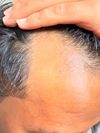
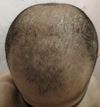
The conversation discusses hair loss treatments, specifically dutasteride, oral minoxidil, and microneedling. Users inquire about side effects, brands, and suggest using topical minoxidil.
The conversation discusses the potential offering of oral finasteride/dutasteride and oral minoxidil treatments for hair loss, with feedback on pricing and preferences for separate or combined pills. Users express concerns about high costs, preferring affordable options, and some prefer oral over sublingual minoxidil for ease of use.
The user is using a solution of 5% minoxidil and 0.1% finasteride with micro-needling and is considering adding 1mg oral finasteride. They notice small hairs on their forehead and are questioning if these indicate potential regrowth.
OP is considering adding topical bimatoprost or latanoprost to their hair loss treatment, which already includes oral minoxidil, and is seeking reliable sources for these products. Users discuss the effectiveness and sourcing of these treatments, with some using bimatoprost for both hairline and eyelashes, and others planning to use latanoprost mixed with finasteride.
Oleic acid and microneedling are being explored for hair regrowth, but results are mixed. Addressing DHT and fibrosis is crucial, with treatments like finasteride, minoxidil, and scalp massage also discussed.
A user is considering switching from oral to topical finasteride to reduce systemic DHT impact and is exploring ethossomal finasteride for better skin penetration and potential hair regrowth. They found ethossomal finasteride in Brazil and are seeking opinions on its effectiveness compared to other topical delivery methods.
A 22-year-old with advanced diffuse thinning is considering oral dutasteride after stopping finasteride due to side effects like brain fog and testicular pain. They are also contemplating a hair transplant combined with oral dutasteride and topical finasteride, noting a thick donor area.
The conversation discusses using oral spironolactone for hair loss in males when 5ari blockers fail. Concerns are raised about spironolactone's side effects, and alternatives like pyrilutamide and breezula are suggested.
The "DHT itch" is real and likely due to inflammation at the hair follicle, exacerbated by increased testosterone or androgens. Treatments mentioned include dutasteride, minoxidil, finasteride, and various topical solutions.
The user switched from topical to oral finasteride and minoxidil, noticing thicker and longer baby hairs, suggesting potential regrowth at the temples. Other users agree it looks like a sign of success.
The conversation is about a user experiencing small hair regrowth after 4 weeks of using oral Minoxidil and Dutasteride, and considering a future FUE transplant. Some users express skepticism about the regrowth, while others share similar experiences or doubts about the effectiveness of the treatment.
The user shared progress photos showing hair regrowth after using oral finasteride, oral minoxidil, a derma roller, and Nizoral shampoo twice a week. Another user complimented the results and inquired about the dosage of oral minoxidil.
Oral minoxidil users should monitor heart health with periodic echocardiograms and cardiologist visits due to potential side effects. While some experience serious side effects, they are rare, and the benefits for hair growth often outweigh the risks.
Oral minoxidil and finasteride can change hair texture, making it drier or frizzier. Minoxidil is likely causing the roughness; adding a moisturizing treatment may help.
The user switched from topical minoxidil and finasteride to oral minoxidil due to lack of results. They experienced side effects at higher doses but saw new hair growth at lower doses.
The user is experiencing positive hair regrowth after two months of using oral finasteride (0.5 mg) and minoxidil (2.5 mg) and is considering a hair transplant. They are seeking advice on surgeons closer to the U.S. and discussing potential side effects and alternative treatments.
A 20-year-old experiencing hair shedding after starting oral finasteride is advised to continue treatment and consider adding topical minoxidil. Shedding is normal, and patience is needed for hair regrowth.
The conversation is about using hair oils for hair care, including questions on application frequency, washing, and conditioning. Users discuss using mixtures of castor and argan oils, with routines involving shampooing, conditioning, and leaving oils in overnight.
A 20-year-old shared progress pictures after 2 years of using oral finasteride and oral minoxidil for hair loss. Responses included admiration and requests for more details and updates.
A 32-year-old is pleased with hair growth results from using oral finasteride (1.2mg) and minoxidil (3mg) without side effects, after switching from topical minoxidil. They report no shedding and increased facial hair density, and they purchase the combo pill from the Hims brand.
The user has been using topical finasteride and minoxidil for three years and is considering switching to oral finasteride. They are questioning if they can still benefit from topical finasteride or if they should stop and avoid potential side effects.
The conversation discusses using topical synthetic prostaglandins like Bimatoprost, Latanoprost, and cetirizine for hair growth. The user shares a link suggesting these treatments may be effective.
People are discussing the cost of oral finasteride and minoxidil for hair loss, with prices varying by location and source. Some users suggest buying higher-dose pills and splitting them to save money, while others mention using online services like Mark Cuban's Cost Plus Drugs for discounts.
Long-term use of oral minoxidil and finasteride can effectively maintain hair and prevent hair loss. Some users also discuss using dutasteride and note potential side effects like testicle pain.
The conversation discusses whether someone with a naturally large forehead and widow's peak can get a hair transplant and start finasteride early. It also mentions a surgery to lower the hairline as an alternative.
Follistatin, known for inhibiting myostatin and promoting muscle growth in mice, is being discussed as a potential treatment for hair loss. Specific treatments mentioned include Minoxidil, Finasteride, and RU58841.
Chinese researchers have successfully created hair follicles in vitro, potentially offering unlimited hair for transplantation and a cure for hair loss. They plan to test these follicles in vivo on human scalps.
The conversation is about the risks and uncertainties of using oral Minoxidil for hair loss, emphasizing that topical Minoxidil may be just as effective. It also mentions alternative treatments like micro-needling and retinol.