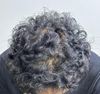
The conversation discusses using oral Minoxidil, a vasodilator, for both Raynaud's Syndrome and hair loss. It also inquires about other hair loss treatments that improve blood flow.
Finasteride is key for hair regrowth, supported by oral/topical minoxidil, Folexin, Nizoral/Head & Shoulders, and vitamin D. No side effects experienced; early intervention and patience are crucial.
A user has been taking 0.5mg oral Finasteride daily for 8 months and is unsure if fine, soft, colorless hairs are regrowth. Other users suggest trying oral Minoxidil for faster results and mention their own experiences with oral treatments.
A user shared their experience with a second hair transplant by Dr. Gokhan Gur, focusing on the midscalp and crown with 1849 grafts. Their current treatment includes dutasteride, finasteride, oral and topical minoxidil, and Nizoral shampoo.
A 37-year-old reported significant hair regrowth and increased confidence after two years of using oral finasteride and topical minoxidil, with no side effects. They are satisfied with the results and are reconsidering the need for a hair transplant.
The user started using 5% topical Minoxidil in early November and noticed some hair growth, especially on the crown, and has just begun taking 1mg oral Finasteride. They plan to continue treatment and share progress updates.
The conversation is about a 26-year-old man's hair regrowth progress after three months of taking oral Minoxidil and Finasteride. There was a mix-up with the photo dates provided for comparison.
The user has been using finasteride for two years without results and recently started a new routine involving derma stamping, retinol, and minoxidil, which seems to show progress. The user microneedles about half the week and uses L’Oréal night serum for retinol.
A 38-year-old male shared 5 months of hair loss treatment progress using oral finasteride, topical finasteride, topical minoxidil, microneedling, and supplements like biotin, zinc, saw palmetto, and pygeum. He is uncertain about the progress.
The user shared their 5-year progress using finasteride and topical minoxidil for hair growth, noting initial success but recent thinning and side effects. They plan to switch to dutasteride and oral minoxidil, addressing low iron levels and monitoring potential side effects.
A user who had taken oral minoxidil for 6 months without seeing any results and the advice given in response, which included trying microneedling in combination with topical minoxidil, as well as seeking a dermatologist's opinion.
Switching from topical to oral minoxidil, specifically using split dosing, led to significant hair regrowth and reduced side effects for the user. The combination of oral minoxidil and finasteride proved more effective than previous topical treatments.
The post discusses a successful hair loss treatment involving a hair transplant, finasteride, and minoxidil. The user underwent a 2000 graft hair transplant at the hairline in a clinic in Sweden.
A 22-year-old is frustrated with ongoing hair loss despite using treatments like topical minoxidil, finasteride, microneedling, oral dutasteride, and oral minoxidil. Their dermatologist suggests treating scalp inflammation with oral tretinoin and using exosomes for alopecia.
A 26-year-old male has been using oral finasteride for 9 months and minoxidil for 2-3 years to control hair loss but still experiences hairline recession and miniaturization. Despite additional PRP and GFC sessions, he sees no improvement and seeks advice, with suggestions to maintain consistency and consider microneedling.
OP has been using oral minoxidil (5mg) and oral dutasteride (0.5mg) but sees little progress and is unsure if they should continue. Other users suggest being consistent, giving it more time, and addressing scalp inflammation.
The user is using a compounded foam with Latanoprost 0.01% and Finasteride 0.1%, averaging 3ml per week, and is considering whether to add oral finasteride despite concerns about side effects. They are also contemplating switching to 1mg oral finasteride and oral minoxidil for simplicity and effectiveness.
The user has DUPA and suspects autoimmune activity as a cause. They have tried various treatments including finasteride, minoxidil, dutasteride, pyrilutamide, estrogel, hydrocortisone, and clobetasol, and are now seeking a long-term immunosuppressant.
Oral minoxidil is considered a safe and effective treatment for hair loss at low dosages, with minimal cardiac risks. Users report positive results, though some experience side effects like increased heart rate and skin changes, and consulting a doctor is advised.
Oral minoxidil may be more effective than topical due to uniform distribution and systemic activation, but can cause side effects like puffiness. Adding tretinoin to topical minoxidil can enhance its effectiveness by aiding conversion to its active form.
A user who had FUT surgery for 2877 grafts with Dr Jerry Wong of Hasson & Wong that resulted in low growth and an abnormally wide scar, suggesting negligence by the doctor and possibly illegal behaviour by an unqualified technician. The post sparked discussion about seeking legal action, as well as criticism of the clinic's high cost.
, I’m on fin as well.
This conversation discussed the user's successful results from 5 weeks of taking an oral minoxidil medication and their experience with hair shedding while using it in combination with finasteride.
A user is starting treatment for hair loss with topical minoxidil, oral finasteride, and is considering adding topical latanoprost but is unsure about the application frequency and method for latanoprost. They are seeking advice from others with experience using these treatments.
The user shared six months of progress using oral finasteride (1.2mg) and minoxidil (3mg) with positive results. They do not use topical minoxidil and have not experienced side effects like erectile dysfunction.
Minoxidil is causing hair growth in unexpected areas like the forehead, eyebrows, and body, rather than the scalp. Users discuss the effects of both topical and oral minoxidil, with some also using finasteride and experiencing varied results.
The user experienced hair shedding after increasing minoxidil from 5% to 7% with latanoprost, possibly causing telogen effluvium. They are on HRT with Lupron, Estradiol, and Raloxifene, and are concerned about the shedding's duration.
The user is experiencing worsening hair loss despite using oral finasteride, oral minoxidil, microneedling, keto shampoo, and supplements for seven months. They are concerned about continued shedding and lack of regrowth, and are considering adding topical minoxidil to their routine.
The user is considering switching from topical to oral finasteride due to lack of progress with their current hair loss treatment, which includes topical fin/min, microneedling, Nizoral shampoo, oral minoxidil, biotin, collagen, tretinoin, and hair masks. A suggestion was made to try oral finasteride for potentially better results and to monitor progress over 6-12 months.
A user shared their 6-month hair loss treatment progress, which included 3200 FUE grafts, oral finasteride and minoxidil, keto shampoo, and biotin. The user also mentioned micro needling their temples for further growth and plans to observe the effects of finasteride and minoxidil over the next 6-12 months.
The user started using topical latanoprost and dutasteride, experiencing significant hair shedding and scalp itchiness, possibly due to an allergic reaction. They are considering stopping the treatment if the shedding is linked to an allergy.