The conversation discusses hair loss and its potential link to caffeine consumption, with the original poster experiencing increased shedding after consuming more coffee. They mention being a non-responder to finasteride and plan to reduce coffee intake, while others suggest various factors like stress, physical exertion, and medication changes could also contribute to hair loss.
Switching from minoxidil with propylene glycol to a glycerin-based solution helped reduce scalp buildup and dandruff. Using ketoconazole shampoo and a scalp massager also improved scalp health.
The regimen includes using a diluted 5.5% Minoxidil / 0.025% Finasteride solution daily, microneedling weekly, and ketoconazole shampoo twice a week to minimize systemic exposure while maximizing scalp DHT reduction. The goal is to achieve hair regrowth with minimal side effects.
Hair loss treatments Fin and Minoxidil failed for user. Suggested alternatives are 75mg oral spiro and RU58841, but concerns about low testosterone and self-esteem were raised.
A user is seeking advice on a new topical hair loss treatment containing Minoxidil 3%, Finasteride 0.3%, Progesterone 1%, Hydrocortisone butyrate 0.1%, and Ketoconazole 0.5%. They are concerned about the systemic absorption of Finasteride and plan to do blood tests and a spermiogram before starting.
A dental technician claims malocclusion causes pattern hair loss due to poor scalp circulation. Users debate this, noting treatments like finasteride, minoxidil, and microneedling focus on DHT and blood flow.
Switching from minoxidil foam to topical solution and considering adding caffeine, melatonin, or cetirizine. Currently using 2.5mg oral minoxidil and 1mg oral finasteride, planning to ask for 0.5mg oral dutasteride and 5mg oral minoxidil.
The user is regrowing hair while using steroids by following a regimen that includes Rogaine, RU58841, Dutasteride, Nizoral, PGE2, and occasionally castor oil. Despite using harsh steroids like Tren, Masteron, and Proviron, the user reports successful hair regrowth.
A 16-year-old is experiencing hair loss and is using minoxidil, finasteride, and plans to add RU58841, while considering other treatments like MK-677 and microneedling. Concerns are raised about the potential impact of these treatments on puberty and development.
Minoxidil non-responders may benefit from using minoxidil sulfate due to reduced sulfotransferase activity in their scalps. Users are encouraged to share their experiences with minoxidil sulfate.
The user reported subtle hair regrowth by focusing on scalp health and lifestyle changes, using Nizoral shampoo and methods to reduce inflammation and cortisol, without using finasteride, minoxidil, or other common treatments. Opinions in the conversation varied, with some skeptical of the results and others acknowledging the potential benefits of addressing scalp health and inflammation.
The user is experiencing positive results in hair regrowth using a protocol that includes minoxidil, dutasteride, essential growth serum, argan oil, trioxidil shampoo, ketoconazole shampoo, and microneedling. They express hope and satisfaction with the progress after six weeks of treatment.
The user is concerned about hair loss and considering using finasteride and minoxidil after a doctor suggested a steroid for a dry scalp. They are worried the steroid won't prevent further hair loss.
Cutting sugar may not significantly impact hair loss, as DHT and androgen receptors are the main issues. Effective treatments include finasteride, dutasteride, RU58841, and minoxidil, often combined with microneedling.
PP405 may promote short-term hair growth by pushing follicles into the growth phase, but concerns exist about long-term effects due to lack of rest phases. Users discuss various treatments like finasteride, minoxidil, spironolactone, alfatradiol, and investigational drugs like KX-826 and GT20029 for hair maintenance and regrowth.
A user is concerned about using more minoxidil than prescribed to cover their hair loss area and mentions taking spironolactone pills. Another user advises against men taking oral spironolactone due to significant hormonal effects.
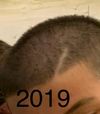
Hair loss possibly caused by chlorine and heavy metals in water was addressed by using a shower filter, ketoconazole shampoo, and PRP sessions, which stopped the hair loss but did not lead to regrowth. Other users suggested similar experiences and solutions, emphasizing the importance of a good water filter and patience for potential regrowth.
The conversation is about identifying ingredients in a scalp serum and their effects on DHT levels. The serum contains various ingredients like Aqua, Biotin, and Oleanolic Acid.
User started oral minoxidil 2.5mg in September 2022, experienced initial shedding, then reduced shedding, but now shedding increased again after 8 months. User is a 43-year-old female also on Spironolactone, seeking advice.
Hair appearance fluctuates due to factors like styling, product buildup, and humidity, causing frustration for those with diffuse thinning. Treatments mentioned include minoxidil, finasteride, ketoconazole shampoo, and RU58841, with mixed results.
The conversation humorously acknowledges the role of mice in testing Minoxidil for hair loss while also discussing the ethics of animal testing. Some users argue against animal testing, citing cruelty, while others defend its necessity for medical advancements.
A user with mild psoriasis on the scalp is using finasteride, topical minoxidil, and dermarolling for hair loss but plans to stop minoxidil on the crown due to psoriasis aggravation. Suggestions include switching to a lipid-based minoxidil, using Ketoconazole shampoo, or trying oral minoxidil.
A user found relief from minoxidil-induced scalp itch by using a different product, as Nizoral dried out their scalp and worsened the condition. The conversation focuses on managing side effects of hair loss treatments.
Silicone-based shampoos and conditioners may leave a layer on the scalp that could affect the absorption of topical hair loss treatments like Fluridil. The user is considering switching to silicone products to manage frizzy hair but is concerned about this potential issue.
Hair loss discussion includes topical spironolactone treatment, used 1-2 times daily for 2 weeks with no changes yet. Minoxidil and Propecia caused nasty side effects for the user.
People notice more young individuals experiencing hair loss and discuss possible reasons, such as diet, hormones, and stress. Some treatments mentioned include finasteride, dutasteride, and minoxidil.
Minoxidil is unlikely to cause skin aging at typical doses, and concerns about collagen inhibition are mostly unfounded. Users suggest using sunscreen and tretinoin for skin health, and some combine minoxidil with finasteride for hair maintenance.