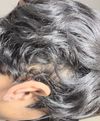
The user is experiencing hair loss despite using Dutasteride and plans to try RU58841, considering adding Oral Minoxidil. They express frustration with diffuse thinning and seek advice on managing hair loss.
Finasteride can cause gynecomastia due to hormonal imbalances. Management includes consulting an endocrinologist and using aromatase inhibitors like anastrozole or supplements like DIM and zinc.
A user has been experiencing hair loss for 4 years, with treatments like minoxidil, finasteride, and various supplements proving ineffective. They were diagnosed with fibrosing alopecia in a pattern distribution, a condition that may require a combination of anti-inflammatory and hair growth treatments.
Dutasteride and finasteride have similar risk profiles despite Dutasteride blocking more types of 5AR in the brain. Some users report no mood issues with either drug, and it is suggested that Dutasteride's larger molecular size may limit its ability to cross the blood-brain barrier.
The conversation discusses the use of low-dose oral minoxidil for hair loss and its potential effects on skin aging. Users shared experiences, with some noting side effects like puffy eyelids and dark circles, but no conclusive evidence of significant collagen depletion or increased wrinkles.
Minoxidil may inhibit collagen synthesis at high concentrations, with anecdotal reports of skin aging but limited research. Dermatologists and other specialists show little interest in studying minoxidil's side effects.
Breezula's phase 3 results are expected soon, with discussions on the effectiveness of androgen receptor antagonists like spironolactone and the potential of GT20029. Users express skepticism about new treatments and discuss the complexities of male pattern baldness, often relying on finasteride despite its side effects.
Saw palmetto, a 5-alpha reductase inhibitor, caused unexpected side effects like breast changes and altered semen consistency, which resolved after stopping its use. Concerns about similar side effects with finasteride or dutasteride were expressed, and another user reported low libido and depression from saw palmetto.
Painkillers like Aspirin may reduce Minoxidil's effectiveness by inhibiting the enzyme PGHS-1, which is crucial for hair growth. Using NSAIDs that inhibit COX-2 or combining Minoxidil with PGF2/E2 analogues or retinoids may enhance its efficacy.
Aloe vera gel can help reduce scalp inflammation and "DHT itch" associated with hair loss, particularly in those with androgenic alopecia and seborrheic dermatitis. It's suggested to use aloe vera alongside treatments like finasteride and ketoconazole shampoo to manage symptoms and promote scalp health.
User shared progress on hair regrowth after 4 months of Spironolactone and iron infusions for Androgenic Alopecia. They see some improvement but struggle with perception; others note significant improvement.
The user has been using Finasteride for hair loss and is considering adding alphatradiol, stemoxydine, or 2% minoxidil to their regimen. They are concerned that stemoxydine, which shortens the resting phase of hair, might accelerate hair loss in those not using Finasteride by depleting hair cycles without strengthening miniaturized hairs.
The conversation discusses managing gynecomastia symptoms potentially caused by finasteride use, with treatments including reducing finasteride dosage, using DIM, ashwagandha, tamoxifen, epistane, and arimistane. Users share experiences and advice on balancing testosterone and estrogen levels to address symptoms.
The user experienced hair loss due to a crash diet and later developed scarring hair loss. They are now on finasteride, oral minoxidil, LDN, Zyrtec, and Oztela to reduce scalp inflammation and promote hair regrowth.
Age-linked hair loss is linked to disappearing collagen. Treatments discussed include minoxidil, finasteride, RU58841, tretinoin, microneedling, and collagen supplements.
The conversation discusses using topical spironolactone for temple hair loss, alongside low-dose minoxidil and possibly PDRN injections, without finasteride or dutasteride. The user is skeptical about the injections due to cost and mild hair loss severity.
Rosemary extract showed high inhibitory activity against DHT, similar to finasteride and dutasteride, but the conversation includes skepticism about its effectiveness in humans since the study was done on mice and rosemary oil is often considered ineffective based on personal experiences. Some suggest trying rosemary oil alongside other treatments, while others emphasize the difference between the extract used in the study and the oil.
The conversation is about whether it is safe to take Xeljanz, a JAK inhibitor, while also taking finasteride for hair loss. The concern is that Xeljanz weakens the immune system, which could be risky.
The user is using finasteride and minoxidil for hair loss but feels progress is slow and is considering switching to dutasteride after 12 months. They notice minor shedding but are unsure if the medication is stabilizing their hair loss.
How diffuse unpatterned alopecia (DUPA) is not an invitation to self-diagnose oneself with aggressive AGA and that seeking a specialized dermatologist may help people experiencing hair loss. Treatment options discussed include topical clobetasol propionate, oral minoxidil, and discontinuing finasteride.
Ketoconazole 2% shampoo effectively regrew hair by treating scalp dermatitis and inflammation. The user also used jojoba and oat oil, Aveeno moisturizer, and hyaluronic acid for scalp care.
A user with PCOS experienced hair loss and found success using a triple dose of O.N.E Omega by Pure Encapsulations after discovering low Omega fatty acids. Biotin provided minimal improvement, but the Omega supplement significantly restored hair.
People with hair loss experience emotional struggles and body dysmorphia. Treatments like minoxidil, finasteride, and dutasteride are used, but results vary and can take time.
A user is joining a clinical trial for Clascoterone, a drug approved for acne but being tested for hair loss. They previously tried finasteride with limited success and plan to share updates on their experience with the new treatment.
A user experienced increased hair shedding after taking pumpkin seed oil for 4 weeks and is unsure if it's a "dread shed" or if the oil isn't suitable. They cannot tolerate anti-androgens like spironolactone and finasteride due to side effects and are seeking advice on whether to continue with pumpkin seed oil.
The user is considering taking ashwagandha while on finasteride to manage side effects, noting it reduces stress but may cause hair thinning. They are unsure if the thinning is due to ashwagandha or normal shedding from finasteride.
The user experienced hair thinning with dandruff and itchiness but not complete baldness, and found relief using dermarolling and castor oil. They did not use minoxidil or finasteride and discussed the potential impact of lifestyle choices on hair loss.
The conversation discusses potential causes of pigmentation around hair follicles, suggesting sebum buildup, autoimmune conditions, or dermatitis. Treatments mentioned include finasteride, dutasteride, and an anti-inflammatory diet, with a recommendation to consult a doctor for a proper diagnosis.
The user switched from finasteride to dutasteride for hair loss and noticed elevated cholesterol levels, questioning if dutasteride caused this change. They also take Vitamin D, biotin, magnesium, ginkgo biloba, omega-3, and NAC, and are concerned about the impact of these supplements and their health on cholesterol levels.