Search
for
Sort by
Community Join
180-210 / 1000+ resultscommunity Getting off finnastride for 3 weeks after weekly use for 3 years
The user has been using finasteride weekly for 3 years and regrew most of their hair. They are asking what to expect if they stop using it for 3 weeks.
community 6 months difference on topical finasteride
User shared 6-month progress using topical finasteride, biotin, and occasional dermarolling, reporting no side effects except possible depression. Replies praised the results and shared personal experiences with finasteride.
community New regimen started after 4 years of little progress
The user is trying a new hair loss regimen including Spirolactone, Finasteride, oral Minoxidil, microneedling, and various supplements. They are experiencing increased shedding and seeking advice on microneedling and treatment effectiveness.
community Spiro wiped out my testosterone, now switching to dut, do I have to taper the spiro?
User on 100mg spiro and oral minox for 2 years, now switching to dut due to low testosterone. Asks if tapering spiro is necessary or can stop immediately.
community Joining clinical study for Clascoterone (Breezula)
The conversation is about a user considering joining a clinical study for Clascoterone (Breezula) after experiencing no results with topical finasteride and minoxidil, and side effects from oral finasteride. The user is seeking advice on clinical study participation and experiences.
community Epibiotech Hair Multiplication
The conversation discusses hair loss treatments, specifically mentioning Minoxidil, finasteride, and RU58841. It also references Epibiotech's hair multiplication and cell therapy as potential solutions.
community Regrowth Journey: June 11 - July 31 Thank you, Tressless brothers for all your haircare wisdom.
A user shared their hair regrowth journey using Minoxidil, Finasteride, Biotin, and B-Complex, along with exercise, resulting in significant hair and facial hair growth. Others in the conversation expressed encouragement and shared similar experiences.
community 10 months of minoxidil + cheating
A user shared their positive experience with hair regrowth using minoxidil, hormone replacement therapy, and cyproterone acetate during their male-to-female transition. Another user discussed their successful hair transplant after transitioning and using finasteride, highlighting the challenges of hair loss and regrowth during transition.
community Almost 2 months in. I’ve been on 1mg oral finasteride, 2.5 oral minoxidil, 5% topical minoxidil, Biotin, vitamin D3, fish oil and microneedling weekly, 1mm needle roller.
The user is undergoing a hair loss treatment using 1mg oral finasteride, 2.5mg oral minoxidil, 5% topical minoxidil, biotin, vitamin D3, fish oil, and weekly microneedling with a 1mm needle roller. They are considering switching from a dermaroller to a dermastamp for better results and are hopeful about the progress shown in recent photos.
community Experiment on the effect of calf raises on shedding rate. Volunteers needed.
Volunteers using finasteride and minoxidil are needed to test if intense calf raises increase hair shedding. The goal is to see if overexertion of leg muscles affects hair loss.
community Day 1 vs 6 months vs 1 year vs 2 years. Finasteride, minoxidil and derma rolling.
A user documented their two-year hair regrowth journey using finasteride, minoxidil, and derma rolling, showing significant improvement. They switched from topical to oral minoxidil after the first year, experiencing some shedding and minor bloating.
community Bloodwork after 8 months on finasteride, is this normal?
A user on finasteride for 8 months shared bloodwork results showing increased testosterone and estradiol levels, with concerns about high LH. Responses advised monitoring for symptoms but noted levels are within reference ranges.
community Alternative Approach to Hair Loss: an n=1 Experiment in Bioenergetics
The post discusses a holistic, bioenergetic approach to hair loss, focusing on diet, exercise, and lifestyle changes rather than traditional treatments like finasteride or minoxidil. Key dietary recommendations include fruits, milk, potatoes, butter, coconut oil, eggs, oysters, liver, and gelatin, along with moderate exercise and lifestyle adjustments to reduce stress.
community Almost 1 Year (Official mark in 4 days): Baseline diffuse thinning vs. Current density (Regimen in comments)
After a year of using finasteride, topical minoxidil, Nizoral shampoo, and derma stamping, the user experienced significant hair regrowth and increased hair density, despite an initial shedding phase. The user attributes the success to consistency and patience, noting that derma stamping significantly boosted regrowth speed and quality.
community Shedding again.. 10/11 months into oral finasteride. Please tell me this is normal…
The user is experiencing diffuse thinning after 10-11 months on oral finasteride and is concerned about whether this is a normal shedding phase. They have been using topical finasteride and minoxidil for over a year.
community 12 months of treatment and some questions I have
The user has been using finasteride and oral minoxidil for hair loss, but experienced increased hair loss after using testosterone steroids without post-cycle therapy. They are considering switching to dutasteride and have added ketoconazole shampoo to their routine, but are concerned about side effects and the ongoing hair loss.
community Thoughts and Opinions on upcoming hairloss treatments?
The conversation is about optimism for new hair loss treatments like Stemson's bioengineering, osteopotin, SCUBE3, GT20029, and Verteprofin, and inquires about other notable treatments.
community Starting an experiment to test DHT levels with Fin and Creatine.
The user experimented with finasteride to reduce hair loss and plans to test if creatine affects DHT levels while on finasteride. Initial results showed low DHT levels, indicating finasteride's effectiveness, with further tests planned for creatine's impact.
community 35 MtF | 16 Months | Minoxidil + Dutasteride + Microneedling + Exosomes. Note that since I'm early in my transition (and I was coming from a bald state), I still have short hair. Very few MtF progress pictures here, I figure this might help some of you.
A 35-year-old transitioning female (MtF) shared her hair regrowth journey using Minoxidil, Dutasteride, Microneedling, and Exosomes, starting from a bald state. Commenters discussed the impressive results, skin care routine, and the effects of estrogen on hair and skin.
community biochemistry bros, is this hair loss solution viable?
The conversation discusses using a combination of finasteride, spironolactone, minoxidil, retinol, azelaic acid, and caffeine for hair loss treatment. The user inquires about the limitations of these drugs and whether tretinoin would be more effective than retinol.
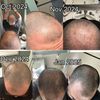
community Am I shedding? Cooked? Progress seems to be regressing
The user started taking 1 mg finasteride daily in September 2024 and began derma stamping twice a week, noticing progress initially but now experiencing increased scalp visibility. They are considering adding oral or topical minoxidil to their routine for further improvement.
community Breezula Phase 3 Results enough for maintenance?
Breezula shows promise in stabilizing hair loss and potentially promoting regrowth at the one-year mark, offering hope for those who can't tolerate 5AR inhibitors. Its local targeting of androgen receptors could be a significant advancement if it avoids systemic side effects.
community Blood Test Recommendations & Brewers Yeast
The user is considering blood tests to understand their receding hairline and is exploring brewer's yeast for its biotin content. They have been using topical Minoxidil, biotin, collagen, and microneedling, but are avoiding oral Finasteride and Dutasteride.
community Cycle of Hair Loss: Fin to Dut Transition without Improvement
The user has been experiencing worsening hair loss despite using finasteride, minoxidil, and later switching to dutasteride. Despite normal bloodwork and consulting dermatologists, the hair loss continues without improvement.
community 6.5 Months Finasteride, Derma Roller, & Biotin Supplements. 32 Male, no side effects. Shedding at month 2 and month 6. Shedding has now stopped.
A man shared his 6.5-month progress using finasteride, a derma roller, and biotin supplements for hair loss, with no side effects and overcoming two shedding phases. Commenters are impressed, noting hairline improvement and discussing the potential of these treatments in regrowing hair, especially at the temples.
community 42 male - 8 months (Is this the biological limit?)
A 42-year-old male has reached a plateau in hair regrowth after 8 months using Dutasteride, Minoxidil, a dermaroller, and Ketoconazole. Suggestions include continuing treatment, considering a hair transplant, and improving nutrition.
community 4 months of restarting treatment. M36
A 36-year-old man restarted hair loss treatment after a break, using topical Minoxidil 5% twice daily, topical Finasteride 0.01% daily, and Ketoconazole 2% three times a week, along with supplements like Vitamin B12, D3, C, Biotin, Omega-3, zinc, and copper. He avoids oral Finasteride due to side effects and plans to evaluate progress after a year.
community Alfatradiol/pantostin - anyone notice shedding in first month of use?
The conversation is about personal experiences with Alfatradiol (Pantostin) for hair loss and whether it causes shedding similar to Minoxidil. People are sharing their experiences with this treatment.
community starting my fin, topical min, keto shampoo + dermaroller journey today
Hair loss discussion includes treatments like hinoki tree oil and procyanidin b2. Experiences and effectiveness of these treatments are shared.