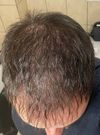
User regrew lost hair using microneedling, minoxidil, finasteride, Nizoral, fish oil, and collagen peptide. Progress was slow but constant, and patience was important.
The conversation discusses a video about hair shedding related to finasteride and dutasteride, with some users debating the credibility of non-professional sources. The video is praised for compiling work by doctors and researchers, despite some users preferring content from licensed medical professionals.
A 43-year-old experienced gynecomastia after 20 years of taking dutasteride and 7.5mg oral minoxidil. Suggestions include consulting an endocrinologist, checking hormones, and considering Nolvadex or DIM supplements.
The conversation discusses using pumpkin seed oil, saw palmetto, fo-ti, and astaxanthin for hair loss, with additional use of Nizoral shampoo. Users express skepticism about regrowth and suggest adding a micro derm roller or considering minoxidil and finasteride for better results.
The user shared their experience with dutasteride for hair loss prevention, noting side effects like muscle weakness and brain fog, and observed increased testosterone levels. They recommend starting with a low dose and adjusting based on individual needs and blood work results.
A 28-year-old male shared his 46-day hair growth progress using finasteride, topical and oral minoxidil, derma stamping, keto shampoo, vitamins, and protein. He experienced initial shedding but saw improvement after adding oral minoxidil, with plans to continue for better results.
A 21-year-old male experienced side effects from topical finasteride and is seeking alternative treatments to maintain hair until Breezula is available. He is considering using minoxidil, Nizoral, micro-needling, and vitamin D supplementation, and may try CB or RU58841 if necessary.
The conversation discusses the effectiveness of Regenera Activia stem cells versus Cellgenic exosomes for hair loss treatment. The user has been using topical minoxidil 5% and 0.001% estradiol for a year without results.
2-Deoxy-D-Ribose is discussed as a potential hair loss treatment, but skepticism exists due to lack of human testing. The original poster uses a combination of topical Minoxidil, oral Finasteride, topical RU58841, and other treatments, reporting some hair regrowth but not significant results.
The conversation discusses potential hair loss treatments, including Setipiprant, Bimatoprost, and Follicept. The user encourages signing up for Follicept, which may come to market soon.
A user plans to experiment with creating new hair follicles using methods like derma rolling, applying lithium chloride, tannic acid, and various other substances including caffeine, ketoconazole, and raspberry ketones. They also consider using anti-inflammatories, immunosuppressants, and DHT inhibitors to potentially improve results.
CHK-Cu (copper peptide) and C-60 (branched carbon chain) are discussed as potentially more effective than minoxidil for hair regrowth. Some users are skeptical about the claim that DHT isn't the root cause of hair loss, and others are trying these products to see if they work.
The conversation discusses hair loss treatments, specifically Minoxidil, finasteride, RU58841, and Sulforaphane supplements. Two brands of Sulforaphane supplements, Avmacol and Prostaphane, are mentioned with optimal dosages.
A 37-year-old male stopped using finasteride and minoxidil due to side effects and switched to derma rolling, scalp massaging, and Revita shampoo, resulting in thicker, healthier hair with new growth. Users discuss the effectiveness of mechanical scalp stimulation, with some sharing similar positive experiences and others expressing skepticism.
People discussed using vitamin D supplements for hair loss, with some also using steroid injections, pumpkin seed oil, saw palmetto, and zinc. Despite supplementation, one user noted no improvement in hair condition, but acknowledged the general health benefits of addressing vitamin D deficiency.
User shares 4-month progress using finasteride, minoxidil, and microneedling for hair loss. Others discuss body hair, hair transplant possibilities, and user's treatment response.
Clascoterone is being discussed for hair loss, but its current acne formulation may not be suitable for scalp use due to potential skin irritation and lower dosage compared to Breezula. Users mention other treatments like finasteride, minoxidil, and pyrilutamide, with some expressing skepticism about clascoterone's effectiveness for hair loss.
The conversation is about a user starting a hair loss treatment with Dutasteride, Minoxidil, and RU58841, hoping to prevent baldness. Other users comment on the user's current hair condition and the intensity of the chosen treatment.
A user shared a 4-month hair loss progress update using a daily pill containing 1.1mg finasteride, 3mg minoxidil, and biotin, along with weekly Ketoconazole shampoo. They noted significant improvement and advised against using expensive teledoc services.
The conversation discusses a hair loss treatment routine involving daily minoxidil, finasteride, micro-needling, rosemary oil, and biotin supplements. The user shares personal experiences, noting no side effects from finasteride and emphasizing the importance of a healthy lifestyle in preventing hair loss.
The user switched from finasteride to dutasteride for hair loss and noticed elevated cholesterol levels, questioning if dutasteride caused this change. They also take Vitamin D, biotin, magnesium, ginkgo biloba, omega-3, and NAC, and are concerned about the impact of these supplements and their health on cholesterol levels.
The user has been taking oral minoxidil, dutasteride, and biotin for 3 months and noticed changes in hair texture, suggesting potential regrowth or stabilization. Baby hairs and increased hair density are seen as positive signs.
The user had high DHT levels after 8 months on dutasteride, questioning the drug's authenticity. They got dutasteride from a legitimate source and will update on progress.
David Barreto shared that a London-based research group is conducting a 12-month trial for a new nutraceutical treatment for pattern hair loss, designed with Dr. Carlos Puig. The trial aims to provide robust data, with results expected in 1-2 years, potentially representing a significant advancement since finasteride’s introduction in 1997.
A user reported a 50% increase in testosterone after 18 months of taking dutasteride for hair loss. The conversation includes skepticism about the reliability of single testosterone tests and questions about estrogen levels.
Dutasteride mesotherapy is discussed as a hair loss treatment, with opinions on its effectiveness compared to oral dutasteride. The treatment is noted for being expensive, potentially painful, and more popular in Europe, with some users questioning its advantages over traditional methods.
The conversation is about using finasteride and KX826 for hair loss treatment. The original poster is using 0.25 mg of finasteride every other day due to side effects at a higher dose.
The user shares their hair loss treatment routine, which includes topical minoxidil, botana oil, coconut moisturizer, derma stamping, derma rolling, 3% salicylic acid shampoo, and scalp massage. Suggestions include adding finasteride, switching to 2% ketoconazole shampoo, and using rosemary oil instead of botana oil.
User "logart89" claims DUT 3 times a week is better than daily FIN for hair loss. Their routine includes DUT, topical DUT, stemoxydine and alfatradiol mix, 5% minoxidil with tretinoin, and weekly derma stamping.