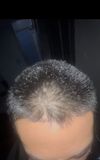
The user is using a solution of Finasteride, Minoxidil, and Tretinoin, which increases Minoxidil's effectiveness. They are seeking a reliable source of Tretinoin to add to over-the-counter Minoxidil solutions.
The conversation discusses various hair loss treatments, highlighting Advanced Trichology Topical Melatonin Hair Growth Serum, hers Minoxidil Foam, Keranique Hair Regrowth Treatment, Nioxin 5% Minoxidil, Virtue Minoxidil 5%, and Rogaine Women's 2% Minoxidil. One user suggests that the list may be influenced by sponsorship and emphasizes that minoxidil is commonly recommended but doesn't address the root cause of hair loss like finasteride or dutasteride.
A user shared progress pictures after 50 days of using a compound with 10% minoxidil, 0.1% finasteride, and biotin, expressing satisfaction with the results. Another user commented positively on the progress.
A hair loss product containing ingredients like saw palmetto, biotin, vitamin D, and others, which claims to promote healthy hair growth and support men's health. However, user reviews are mixed, with some experiencing side effects like mood swings and nausea, and others questioning its effectiveness compared to a simple multivitamin.
OP is experiencing dandruff and is considering switching from climbazole to ketoconazole, with suggestions to use Nizoral and a routine involving ketoconazole, coconut oil, and lemon. OP is also using minoxidil and finasteride for hair loss, and there are discussions about various shampoos and treatments for dandruff.
Carpronium chloride 5% is a hair growth treatment in Japan, considered less effective than minoxidil or finasteride. Some users report moderate success with it, but its efficacy is not well-verified.
The conversation discusses how applying topical tretinoin for 5 days can convert 43% of individuals who initially do not respond to minoxidil into responders, enhancing the effect of minoxidil on hair growth. Specific treatments mentioned are minoxidil and tretinoin.
User experienced side effects from Minoxidil and is switching to Nanoxidil. They are also using Finasteride and seeking advice on preventing hair loss.
A 19-year-old is experiencing worsening hair loss and severe seborrheic dermatitis despite using finasteride for six months. Nizoral (ketoconazole) is no longer effective, and they are seeking over-the-counter solutions and advice for an upcoming dermatologist visit.
The conversation discusses methods to further reduce DHT in the scalp for hair loss treatment, with users suggesting various approaches like using dutasteride, minoxidil, tretinoin, and natural supplements like pumpkin seed oil. Some users also mention using topical applications and scalp massages to enhance the effectiveness of these treatments.
A user is seeking hair loss treatments without using systemic DHT blockers like finasteride due to side effects. Suggestions include clascoterone (not FDA approved), pyrilutamide, RU58841, and low-dose topical finasteride, with a recommendation to consult a doctor.
The user reported positive progress in hair regrowth after two months using finasteride, topical minoxidil, microneedling, and ketoconazole, later switching to dutasteride. Some users doubted the authenticity of the results, while others were impressed and encouraged by the progress.
The conversation is about using tretinoin to enhance the effectiveness of minoxidil for hair loss. Tretinoin should be applied at night on dry skin, and it can be used daily, either before or after minoxidil, with a starting dose of 0.025%.
The user quit oral finasteride over a year ago, experienced improvements in brain fog and erectile dysfunction after quitting smoking and porn, and plans to try dutasteride. Another user shared their experience with finasteride, mentioning panic attacks and anxiety, and managed symptoms through lifestyle changes like meditation and exercise.
The user is considering taking 2.5 mg oral minoxidil and 1 mg oral finasteride sublingually to minimize side effects after a hair transplant. They seek advice on the pros and cons of this method, noting a lack of concrete information.
A 28-year-old male uses custom-compounded topical solutions with Minoxidil, Finasteride, and Tretinoin for hair loss maintenance. He seeks advice on sourcing similar solutions in Bangkok, Thailand, and whether a local prescription is needed.
The conversation discusses the use of 1% ketoconazole shampoo, like Nizoral, for hair loss and scalp issues. Users suggest it may help with early hair loss and scalp conditions but is not as effective as other treatments like minoxidil and finasteride.
The user experienced positive hair regrowth using daily 1mg finasteride and 5% minoxidil, specifically the Alopexy brand, with no negative side effects. They noticed improvements after a year, with comments from others confirming the success.
The conversation is about a user's hair loss treatment regimen, which includes daily finasteride, topical minoxidil, derma rolling, and Nizoral shampoo. Opinions vary on the effectiveness of the regimen, with some users suggesting additional treatments like oral minoxidil and dutasteride, while others debate the presence of a scalp fungus and the impact of microneedling.
A 52-year-old shared positive hair regrowth results after using finasteride for 24 months, with noticeable improvements after 13-14 months, and recently added oral minoxidil to the regimen. Users discussed the effectiveness of combining finasteride, minoxidil, and sometimes dutasteride for better hair growth results.
Foam minoxidil may be a good alternative for those who experience irritation from liquid minoxidil, though opinions on its effectiveness vary. Some users suggest oral minoxidil as a more effective option with fewer side effects at low doses, while others recommend foam or alcohol-free topical versions for sensitive scalps.
A 21-year-old experiencing significant hair loss is considering a hair transplant and has been using finasteride and biotin, with plans to switch to dutasteride and oral minoxidil for better regrowth. They are seeking advice on the number of grafts needed, with suggestions ranging from 2,500 to 6,000, and are exploring different clinics and treatment options.
A 15-year-old experiencing severe diffuse thinning plans to use minoxidil, dermarolling, and possibly ketoconazole, with hopes to later incorporate finasteride. Concerns about starting finasteride too young and the need for a dermatologist consultation are discussed.
The user has experienced noticeable hair regrowth after 3 months using minoxidil daily, finasteride every other day, a derma stamp 2-3 times a week, and 2% Ketoconazole shampoo. They adjusted finasteride usage due to decreased libido and are nearing the end of the shedding phase.
A user shared their positive experience with hair regrowth using Finasteride and Minoxidil, noting increased confidence and no serious side effects except for increased body hair. Others in the conversation discussed varying results, potential side effects, and the possibility of switching to Dutasteride if effectiveness decreases.
Pyrilutamide is considered by some as an alternative for those avoiding 5AR inhibitors like finasteride and dutasteride, but opinions on its effectiveness vary. Some users report similar results with fluridil and pyrilutamide, while others find pyrilutamide less effective compared to prescription treatments.
The user is seeking advice on mixing 5% Minoxidil with 0.025% Tretinoin for hair loss treatment, as they cannot find a suitable product in India and are considering making it themselves. They express concerns about mixing ratios and stability, while others suggest applying them separately or mixing them with other ingredients like finasteride and RU58841.
The conversation discusses using minoxidil with microneedling and considering tretinoin to enhance hair growth, especially for those who are weak responders to minoxidil. It also explores the potential of using tazarotene, a stronger retinoid, to boost minoxidil's effectiveness and addresses purchasing tretinoin from Germany.