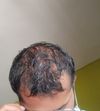
The conversation is about an 18-year-old's progress with hair regrowth using oral Minoxidil, dermarolling, and RU58841 over three months, starting treatment after beginning to lose hair at 16. Participants are impressed with the improvement and encourage continued treatment.
The user stopped oral treatments due to side effects and switched to a regimen of topical minoxidil, tretinoin, azelaic acid, and dermaneedling, with recent addition of topical finasteride. They are questioning the long-term effectiveness of non-hormonal methods and considering hair transplantation.
The user is seeking alternatives to Minoxidil for hair growth, currently using 0.1% topical finasteride and 2% ketoconazole shampoo. Suggestions include microneedling, red light therapy, rosemary oil, and other topical treatments like cetirizine, Stemoxydine, and Latanoprost.
The conversation discusses using topical dutasteride from minoxidilmax for hair loss and the possibility of crowdfunding for DHT blood tests to check if the treatment goes systemic. The user plans to post before and after pictures.
Combining stemoxydine with topical minoxidil for hair loss treatment. Users discuss application order and effectiveness, with some skepticism about stemoxydine's benefits.
The conversation discusses how Tretinoin may improve the effectiveness of Minoxidil for treating hair loss by increasing the activity of certain enzymes in hair follicles. One user comments that this information is not new.
Users discussed hair loss treatments, specifically 0.1% latanoprost with melatonin, caffeine, and biotin. Other treatments mentioned include minoxidil, finasteride, RU58841, and microneedling.
The user is using a solution of Finasteride, Minoxidil, and Tretinoin, which increases Minoxidil's effectiveness. They are seeking a reliable source of Tretinoin to add to over-the-counter Minoxidil solutions.
The user applied 0.005% topical finasteride, minoxidil, tretinoin, caffeine, and ketoconazole shampoo for four months but saw no hair regrowth. Some users suggested increasing the finasteride dose or trying alternative treatments like clascoterone, pyrilutamide, or RU58841.
Topical finasteride with minoxidil can be effective but may not match oral finasteride results, with less absorption into the bloodstream. Shedding is common when starting or stopping minoxidil and finasteride, and adding dutasteride and tretinoin can enhance effectiveness by improving absorption and DHT inhibition.
A user shared a homemade hair loss treatment combining Minoxidil with caffeine, melatonin, biotin, and olive oil, claiming improved hair regrowth compared to Minoxidil alone. They provided their recipe and cautioned users to try it at their own risk.
The conversation discusses the effectiveness of oral minoxidil versus topical minoxidil with tretinoin for hair regrowth, with some users suggesting oral minoxidil might be more effective for non-responders to topical treatments. Concerns about side effects and the role of enzymes in activating minoxidil are also mentioned.
Using tretinoin with minoxidil can enhance hair growth results. Microneedling and ketoconazole shampoo are also used to improve scalp health and treatment efficacy.
User uses dermaroller and minox for hair loss without success, considers adding Stemoxydine and mixing tretinoin with minox. Another user suggests a DHT inhibitor for sustainability.
The user has been using oral Minoxidil, Finasteride, and Biotin for hair recovery and is considering adding topical Minoxidil and dermastamping to improve results. It is suggested to use micro-needling once a week with a 24-hour gap before applying topical Minoxidil.
The user is seeking advice for the best topical treatment to combat their ongoing hair loss, despite already using oral dutasteride, RU-58841, and minoxidil. They are considering adding CB-03-01 or topical Spiro to their regimen to lower testosterone levels at the follicles.
Travoprost may be more effective than minoxidil for hair growth and can be used alongside it, but its effectiveness is debated due to inconsistent dosing results. Travoprost is expensive and not widely used, with alternatives like latanoprost and bimatoprost being more accessible.
The user has been using a topical solution of minoxidil 5% and finasteride 0.025% daily, along with dermastamping every two weeks and ketoconazole shampoo twice a week for four months. The treatment is for hair loss.
A user shared their progress in combating hair loss using 5 mg oral minoxidil and 1 mg finasteride over four months, experiencing significant improvement. They also experimented with higher doses of minoxidil but faced side effects, so they settled on 7.5 mg without issues.
The user has stopped hair loss using topical finasteride, dutasteride, minoxidil 5%, and a GHK-Cu melatonin caffeine blend. They are considering switching to a more potent minoxidil, specifically Dualgen 15%, for better regrowth results.
The conversation discusses a user's unconventional hair loss treatment involving scalp massage, dermastamping, and pouring hot water to induce a burning sensation, with a warning not to try it without further evidence. Other users suggest more traditional treatments like Minoxidil and finasteride, while expressing skepticism and concern about the hot water method.
The conversation discusses impressive results from a 28-day application of a hair loss treatment. Users compare it to their experiences with Minoxidil and Dutasteride, noting excitement over the new findings.
Minoxidil and Nizoral alone are unlikely to stop hair loss effectively, as they do not address the root cause, which is often DHT. Many users suggest incorporating a 5AR inhibitor like finasteride or dutasteride for better results, despite concerns about potential side effects.
User uses Costco brand Minoxidil as a hair product for styling and hold. Others agree that foam version is better for styling and less greasy than liquid.
The user experienced hair regrowth using finasteride every other day and topical minoxidil but is currently going through a shedding phase. Despite the shedding, progress is evident, and users suggest patience and possibly adding microneedling to improve results.
Kintor's Pyrilutamide results for hair loss treatment will be released soon. The treatment may replace current treatments like finasteride and minoxidil without systemic side effects.
Oral ketoconazole is discussed as a potential hair loss treatment, but it poses significant health risks like liver damage and adrenal insufficiency. Users suggest safer alternatives like topical anti-androgens or spironolactone, emphasizing the importance of consulting a specialist.