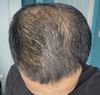
Finasteride, Minoxidil, a laser helmet, and ketoconazole shampoo were used to improve hair health and manage hair loss. A gentle scalp care routine is emphasized for better results.
The user experienced significant hair regrowth using a combination of minoxidil, finasteride, various serums, and micro-needling, leading to increased confidence and consideration of a hair transplant. Despite initial baldness due to past health issues, the user is pleased with the progress and continues to use treatments like Pilgrim, Md Hair, Bodywise Roller, and Bouf serums.
The post discusses a hair loss treatment regime using Nizoral, a laser helmet, dermaroller, bentonite clay mask with essential oils, and ketoconazole shampoo. The user avoids finasteride and minoxidil due to concerns about side effects and pet safety.
The user is considering a hair transplant after a year on minoxidil without satisfactory results and is advised to use finasteride or dutasteride as a DHT blocker. Suggestions include using microneedling, tretinoin, and possibly needing 3000-4000 grafts for the transplant.
Bimatoprost 1% and 3% solutions showed better hair regrowth than minoxidil 5%. The user plans to test a homemade bimatoprost solution on their scalp and share results.
A 28-year-old man shares his positive experience with a 3-in-1 oral pill containing finasteride, minoxidil, and vitamins for hair loss, noting decreased bald spot width and overall hair thickening after four months. He encourages others to start treatment, mentioning the mental benefits and minimal side effects, while discussing additional treatments like ketoconazole and microneedling.
A 24-year-old experienced significant hair regrowth over 8 months using oral finasteride, oral and topical minoxidil, dutasteride, microneedling, and ketoconazole shampoo. They are satisfied with the results and may consider a hair transplant after one year.
A user shared their 12-month update after a 5,800-graft hair and beard transplant performed by Dr. Tulunay in Istanbul, using Sapphire FUE and DHI techniques. The user noted significant growth around months 8-9 and expressed satisfaction with the results.
A user shared their positive experience with a hair transplant performed by Dr. Timothy Carman, using 1100 grafts via FUT surgery, and reported satisfaction with the results and minimal scarring. The user continues to use minoxidil and finasteride for hair maintenance.
The conversation discusses switching from oral to topical treatments for hair loss, specifically using a mix of retinoic acid, finasteride, and minoxidil, after oral treatments like dutasteride and finasteride were ineffective. The user is concerned about the cost and potential impact of dandruff on the absorption of topical treatments.
The conversation is about sourcing Latanoprost for hair loss treatment. Users discuss potential sources and the difficulty of obtaining a prescription.
OP used oral Dutasteride and Minoxidil but saw significant improvement only after adding PRP treatments. PRP sessions every 4 months maintained the results, though it is expensive.
OP asked if Alfatradiol 0.1% can maintain hair after a transplant. Responses suggest using stronger treatments like finasteride or micro-dosing oral finasteride instead.
Testing the effectiveness of Verteporfin as a potential treatment for hair loss, with users discussing their thoughts on its long-term results. Treatments mentioned include Minoxidil, Finasteride, and RU58841.
A user started balding early and initially used minoxidil, which helped temporarily. They recently switched from topical to oral finasteride, hoping it will improve their hair without needing a transplant, while continuing with minoxidil and microneedling.
A user shared their 6-month hair loss treatment progress, which included 3200 FUE grafts, oral finasteride and minoxidil, keto shampoo, and biotin. The user also mentioned micro needling their temples for further growth and plans to observe the effects of finasteride and minoxidil over the next 6-12 months.
A 28-year-old man had a hair transplant in India, choosing not to start finasteride due to past side effects with other medications but will use minoxidil for six months post-surgery. He researched and selected a clinic in Mumbai with a high reputation, underwent a 9-hour procedure for $965, and is optimistic about the results.
A 30-year-old male with androgenic alopecia started using topical Minoxidil in 2018, Finasteride in 2020, and switched to oral Minoxidil and Dutasteride after Finasteride stopped working. He underwent hair transplants in 2022 and 2025, showing significant improvement in recent photos.
The user had a hair transplant with 2,000 grafts in 2017, and after four and a half months of using finasteride, minoxidil, derma rolling, and Boton shampoo, they are seeing hair regrowth including the return of their widow's peak. They are considering switching to RU58841 and a deeper derma rolling treatment.
Setipiprant and bimatoprost are being discussed as potential future treatments for hair loss. Some individuals have started testing setipiprant before FDA approval, but no progress updates are available yet.
The post and conversation discuss Verteporfin's potential as a hair loss treatment. It's shown promise in regrowing hair after transplants and might be effective with microneedling.
OP injured their temple using derma rolling and tretinoin, causing peeling and potential hair follicle damage. Users suggest the injury might be permanent, possibly resulting in scar tissue where hair won't grow.
User asked dermatologist for finasteride, received latanoprost and diprogenta cream instead. Others suggest latanoprost is expensive and not better than minoxidil, recommend trying another doctor for finasteride.
Minoxidil and finasteride can help regrow hair, especially in thinning areas, but restoring completely receded temples is challenging and may require a hair transplant. Some users report success with these treatments, particularly when combined with microneedling.
Epibiotech will offer off-the-shelf allogeneic hair multiplication treatment in South Korea, using dermal papilla cells from donors to grow hair in balding areas. This method is cheaper and less invasive than traditional hair transplants.
The user had a hair transplant 5 years ago and is currently using 1 mg finasteride and topical minoxidil but is not seeing an increase in hair volume. They are considering another transplant to improve hair volume.
OP used 1mg finasteride for 4 years, then had a hair transplant, and for the past 6 months has been using 0.5mg dutasteride and 2.5mg oral minoxidil twice daily. The treatments resulted in significant hair density and thickness improvement.
A 17-year-old is frustrated with hair thinning and receding temples, seeking advice after a dermatologist dismissed concerns. Suggestions include starting Minoxidil for regrowth and considering Finasteride if androgenetic alopecia is suspected.
A 27-year-old male is using a minoxidil and finasteride spray for hairline recession and is considering other treatments like oral minoxidil, exosomes, PRP, or a hair transplant. Suggestions include microneedling, possibly with tretinoin, while another user suggests the hairline is fine and mentions body dysmorphia.